Rough Skin Texture / Uneven Skin Texture
What is uneven skin texture? How is it different from “dull skin tone” and “enlarged pores”?
Our physician’s Real Clinical Cases — Uneven Skin Texture
The following four cases were either personally treated by our physician at our Nanjing clinic, or carried out by the medical team under our physician's direct protocol. All cases are shared with Media Release Form authorization. Because the causes of uneven texture vary significantly — keratinocyte turnover, excess sebum, post-acne scarring, and photoaging — individual responses differ. Actual outcomes are determined through in-person consultation and assessment.
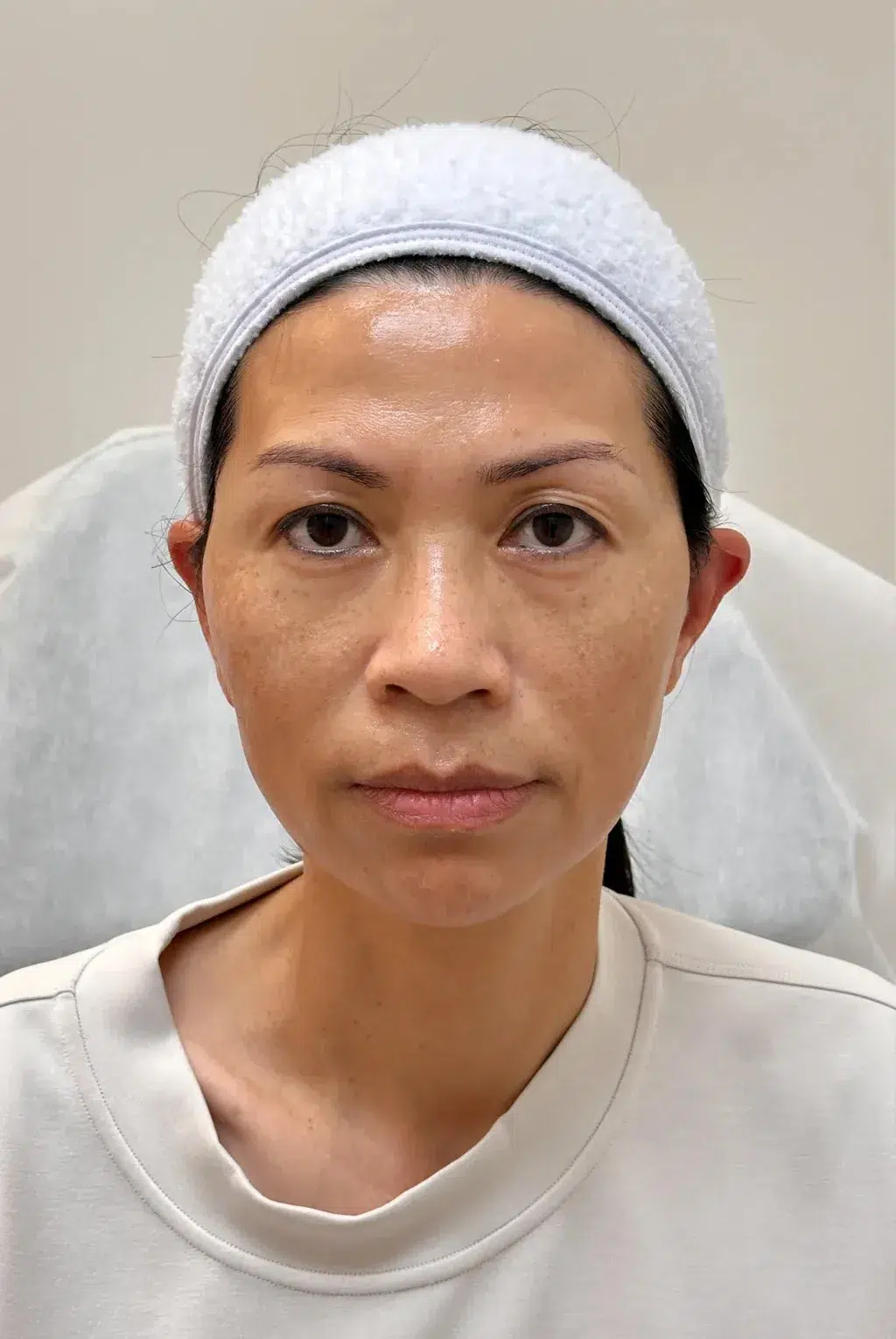
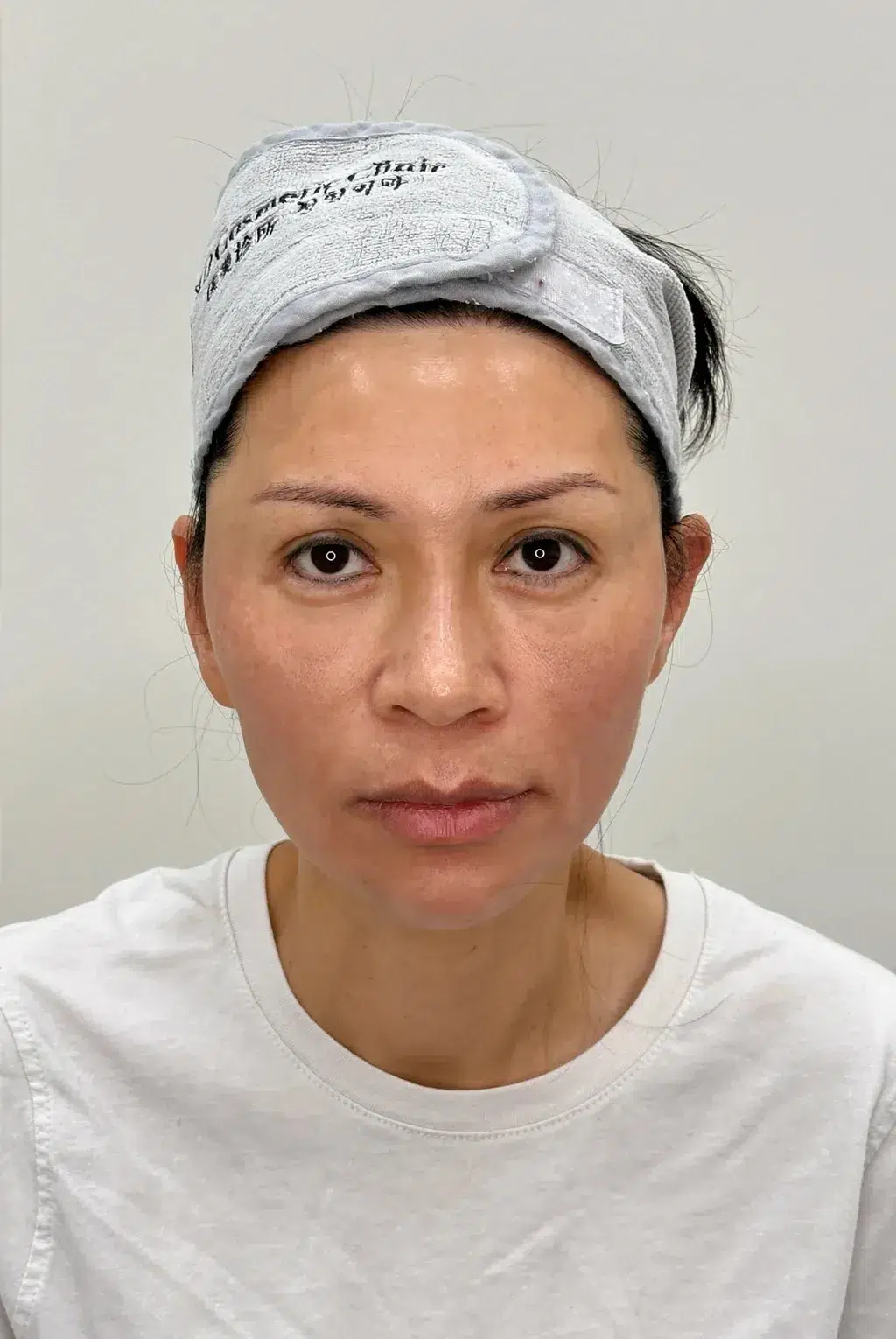
Case 3 · Rough Skin / Uneven Texture — Real Patient Documentation
- Patient Profile
- Asian Female · Fitzpatrick I · Duration: approximately 2–3 years
- Concerns addressed
- Rough Skin / Uneven Texture (Comprehensive Improvement with Multimodal Combination Therapy)
- Treatment Plan
- Juvéderm® / Restylane® filler + eye rejuvenation / brightening injections (multiple sessions within 3 months)
- Treatment Outcomes
- Rough skin texture / uneven texture visibly improved · overall result appears natural
- PIH incidence
- No PIH
- Maintenance
- 6–12 month follow-up · top-up treatment if needed + at-home eye cream for maintenance
Case 03: Before & After — Rough / Uneven Skin Texture · Asian Female · Fitzpatrick I · Duration approx. 2–3 years · Multimodal combination protocol led by our physician at Luowei Medical Aesthetics Clinic, Nanjing
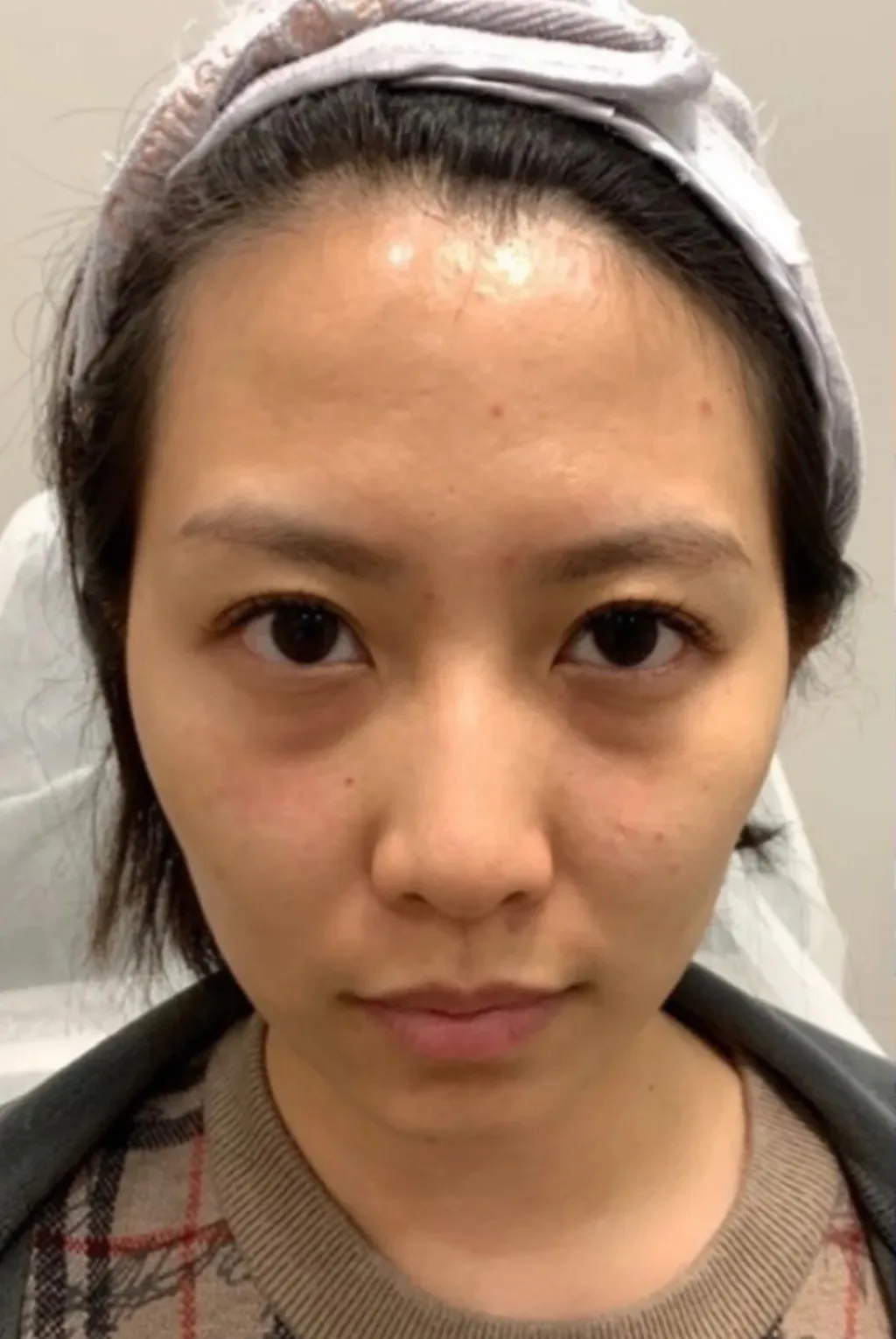
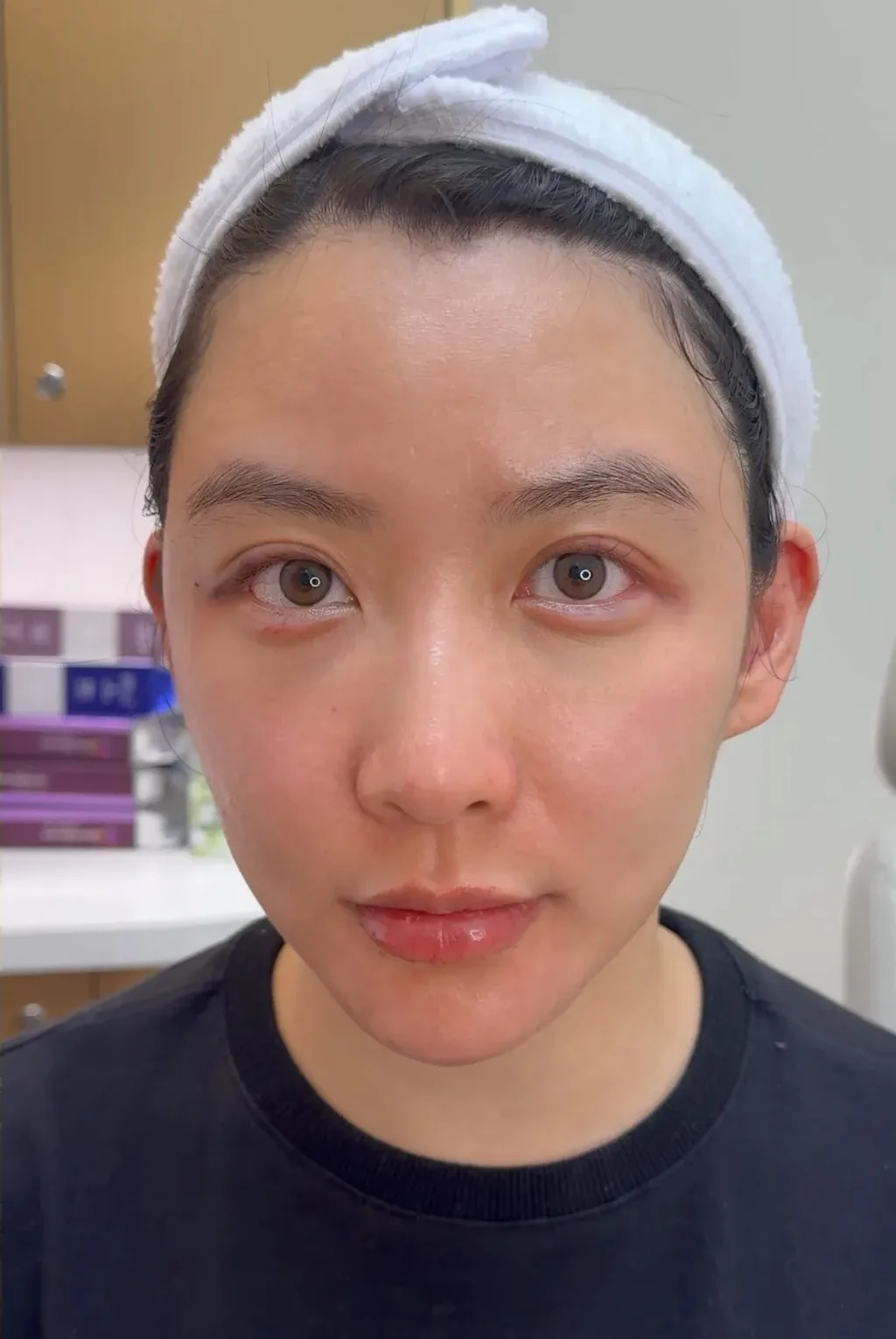
Case 4 · Documented Clinical Record — Rough / Uneven Skin Texture
- Patient Profile
- Asian Female · Fitzpatrick I · Duration: approximately 2–3 years
- Concerns addressed
- Rough Skin / Uneven Texture (Comprehensive Improvement with Multimodal Combination Therapy)
- Treatment Plan
- Juvéderm® / Restylane® filler + eye rejuvenation / brightening injections (multiple sessions within 3 months)
- Treatment Outcomes
- Rough skin texture / uneven texture visibly improved · overall result appears natural
- PIH incidence
- No PIH
- Maintenance
- 6–12 month follow-up · top-up treatment if needed + at-home eye cream for maintenance
Case 04: Rough Skin Texture — Before & After · Asian Female · Fitzpatrick I · Duration: approximately 2–3 years · Multimodal combination treatment led by our physician at Luowei Medical Aesthetics Clinic, Nanjing
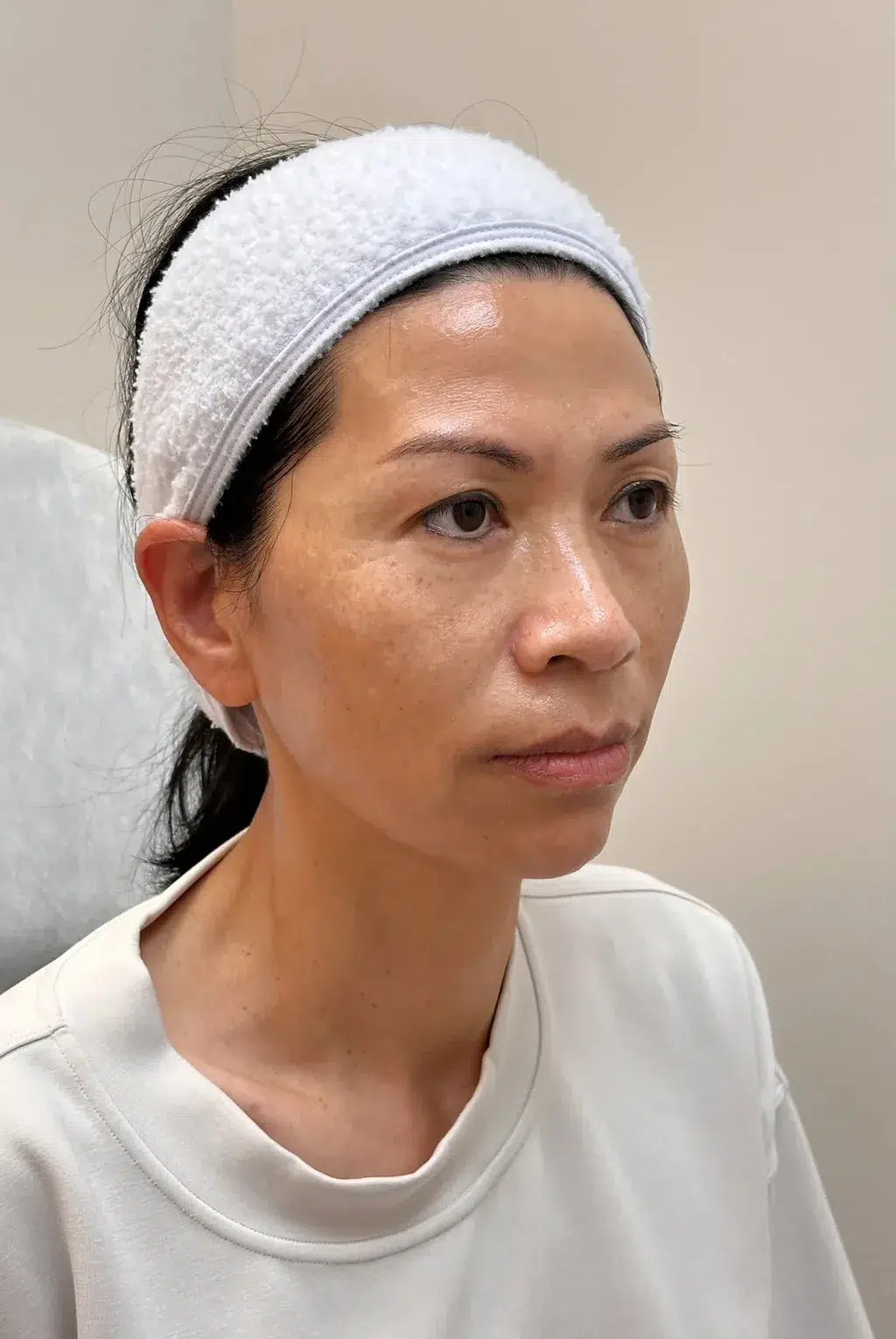
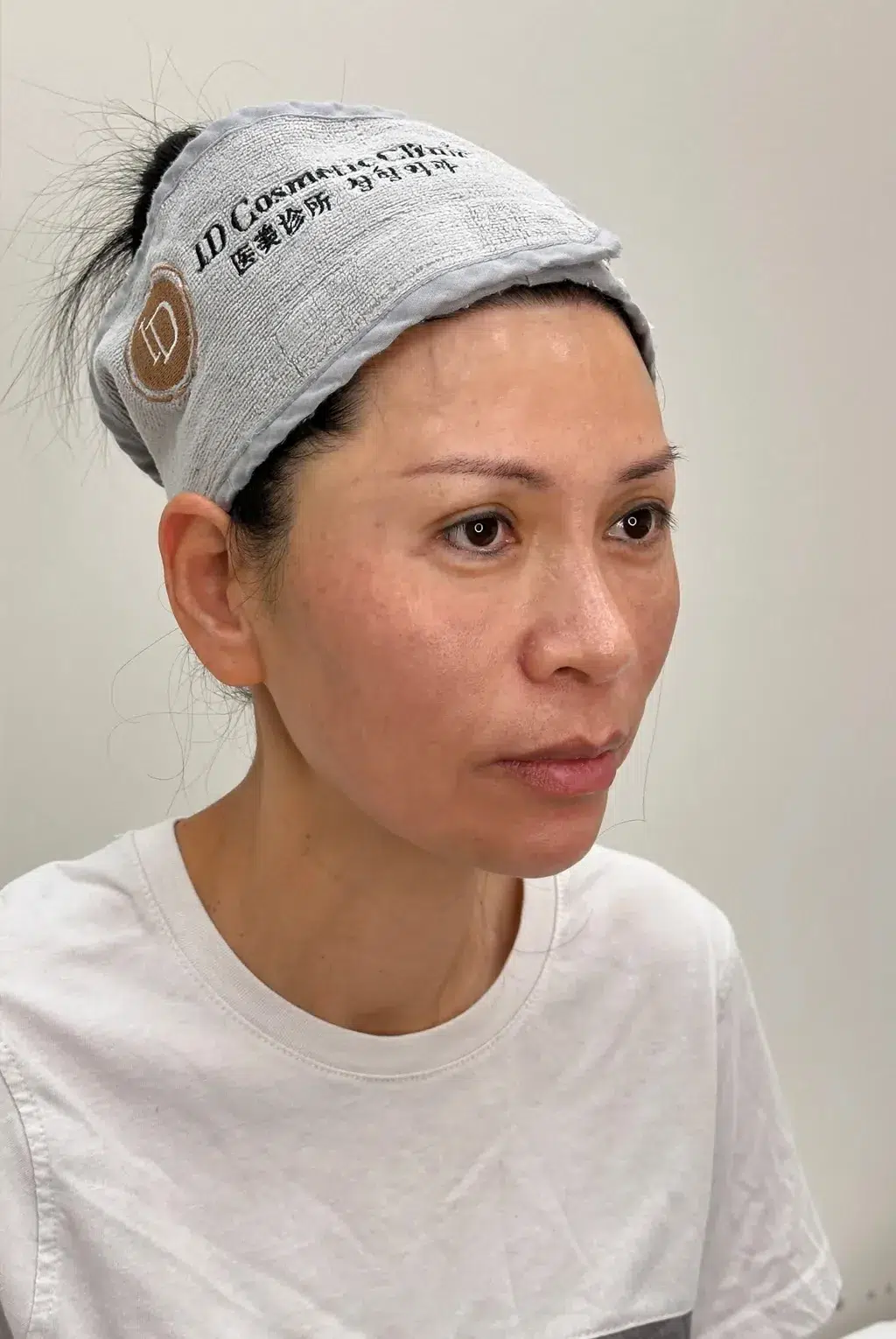
Case 4 · Documented Clinical Record — Rough / Uneven Skin Texture
- Patient Profile
- Asian Female · Fitzpatrick IV
- Concerns addressed
- Rough Skin / Uneven Texture (Comprehensive Improvement with Multimodal Combination Therapy)
- Treatment Plan
- Dual picosecond combination therapy + Pico® skin brightening + PicoSure® + PicoSure Pro® and 8 treatments total (multiple sessions within 3 months)
- Treatment Outcomes
- Rough skin texture / uneven texture visibly improved · overall result appears natural
- PIH incidence
- No PIH
- Maintenance
- Regular sun protection + monthly at-home skincare + quarterly clinical assessment
Case 04: Rough Skin Texture — Before & After · Asian Female · Fitzpatrick IV · Multimodal combination treatment led by our physician at Luowei Medical Aesthetics Clinic, Nanjing
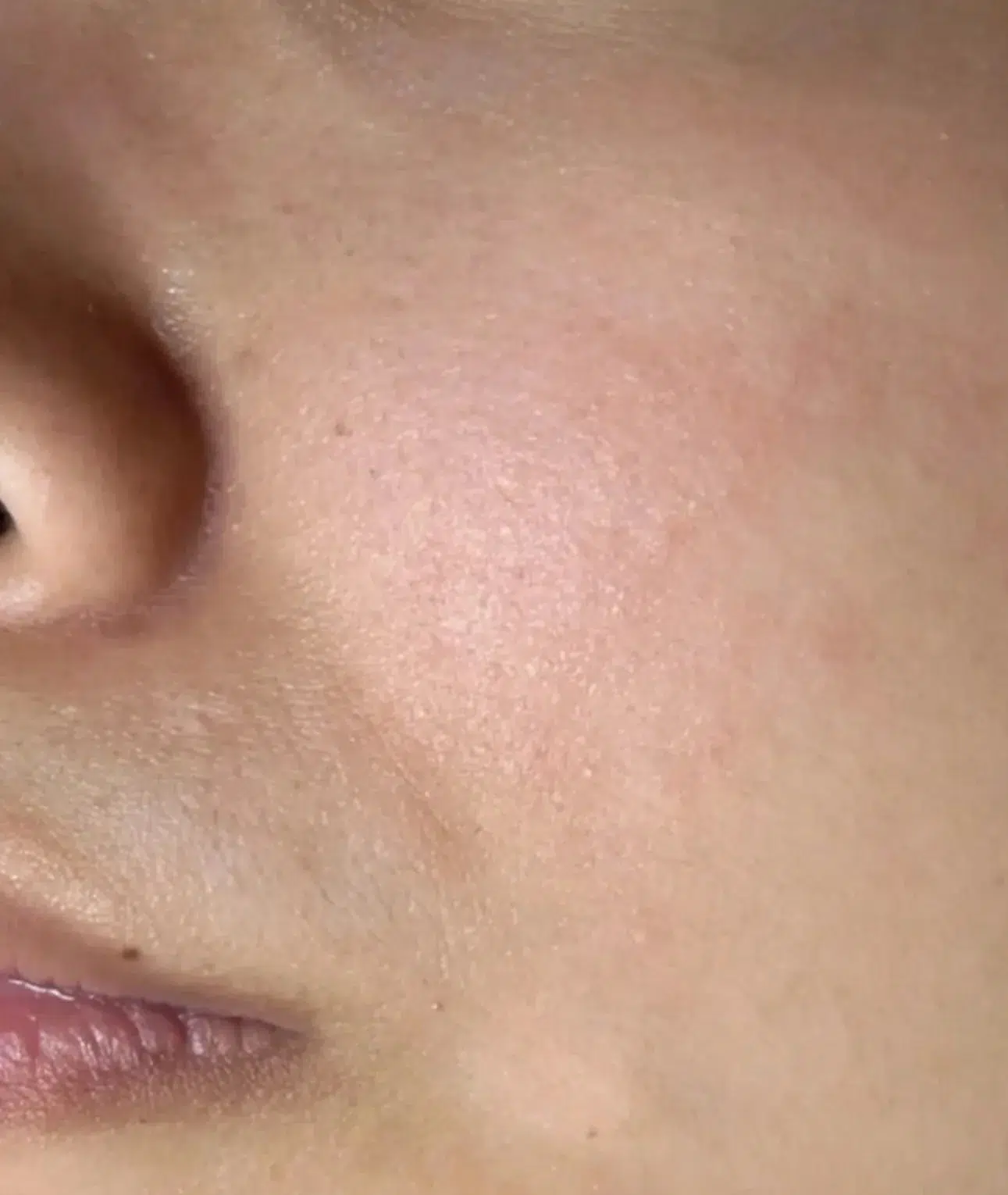
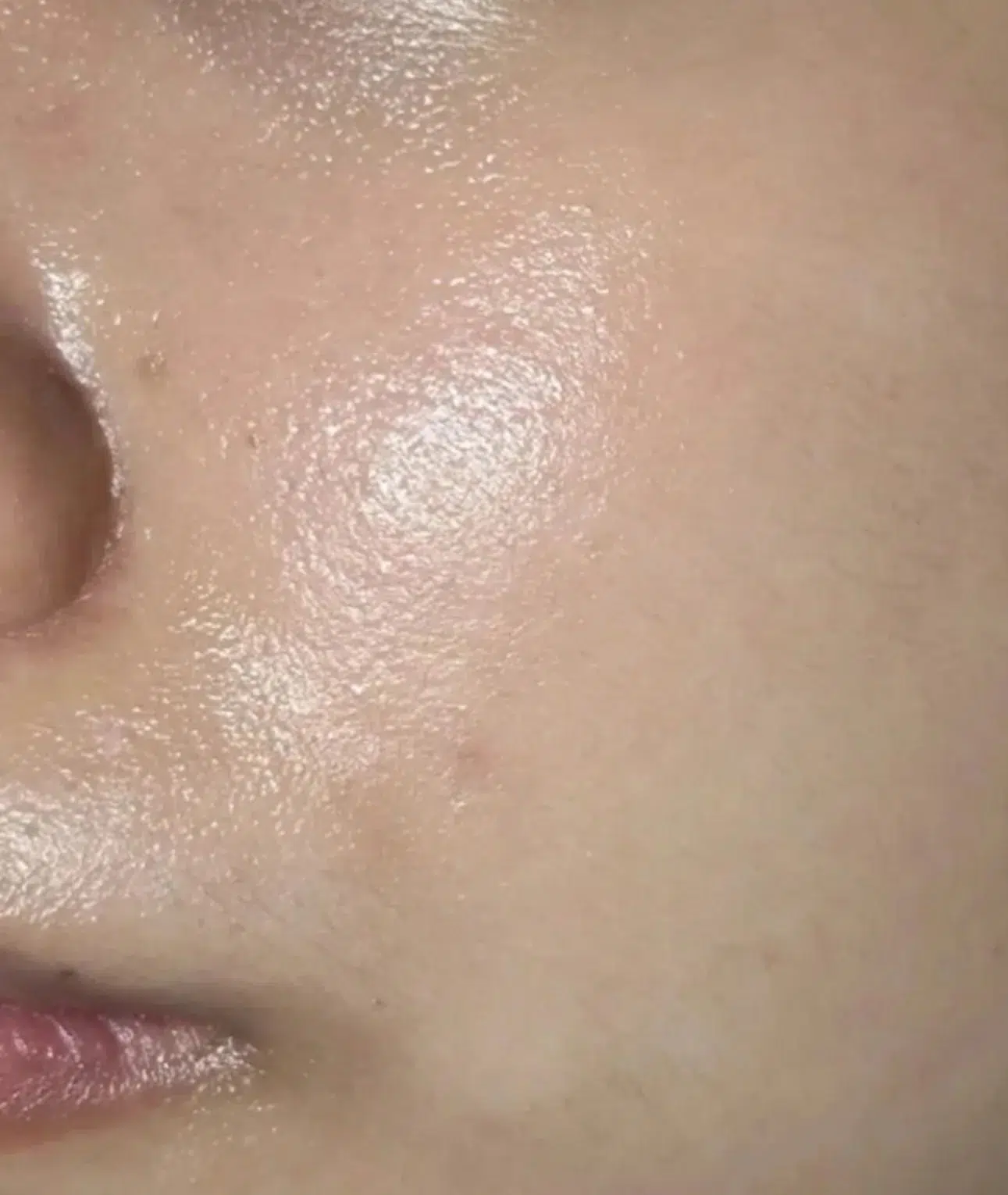
Case 4 · Documented Clinical Record — Rough / Uneven Skin Texture
- Patient Profile
- Asian Female · Fitzpatrick I
- Concerns addressed
- Rough Skin / Uneven Texture (Comprehensive Improvement with Multimodal Combination Therapy)
- Treatment Plan
- Dual picosecond combination therapy + Pico® skin brightening + PicoSure® + AI BBL HEROIC™ and 6 treatments total (multiple sessions within 3 months)
- Treatment Outcomes
- Rough skin texture / uneven texture visibly improved · overall result appears natural
- PIH incidence
- No PIH
- Maintenance
- Regular sun protection + monthly at-home skincare + quarterly clinical assessment
Case 04: Rough Skin / Uneven Texture — Before & After · Asian Female · Fitzpatrick I · Multimodal combination treatment led by our physician at Luowei Medical Aesthetics Clinic, Nanjing
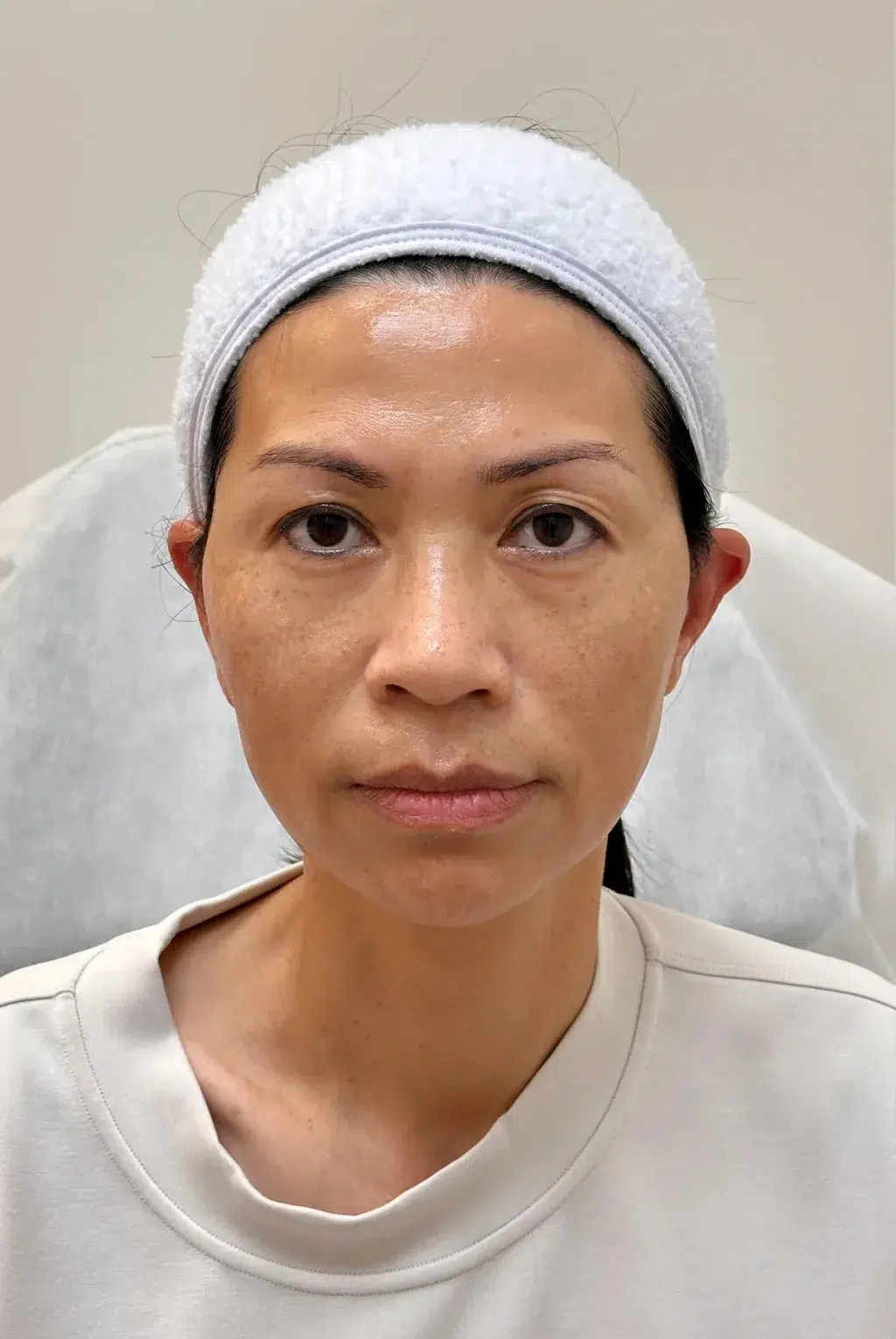
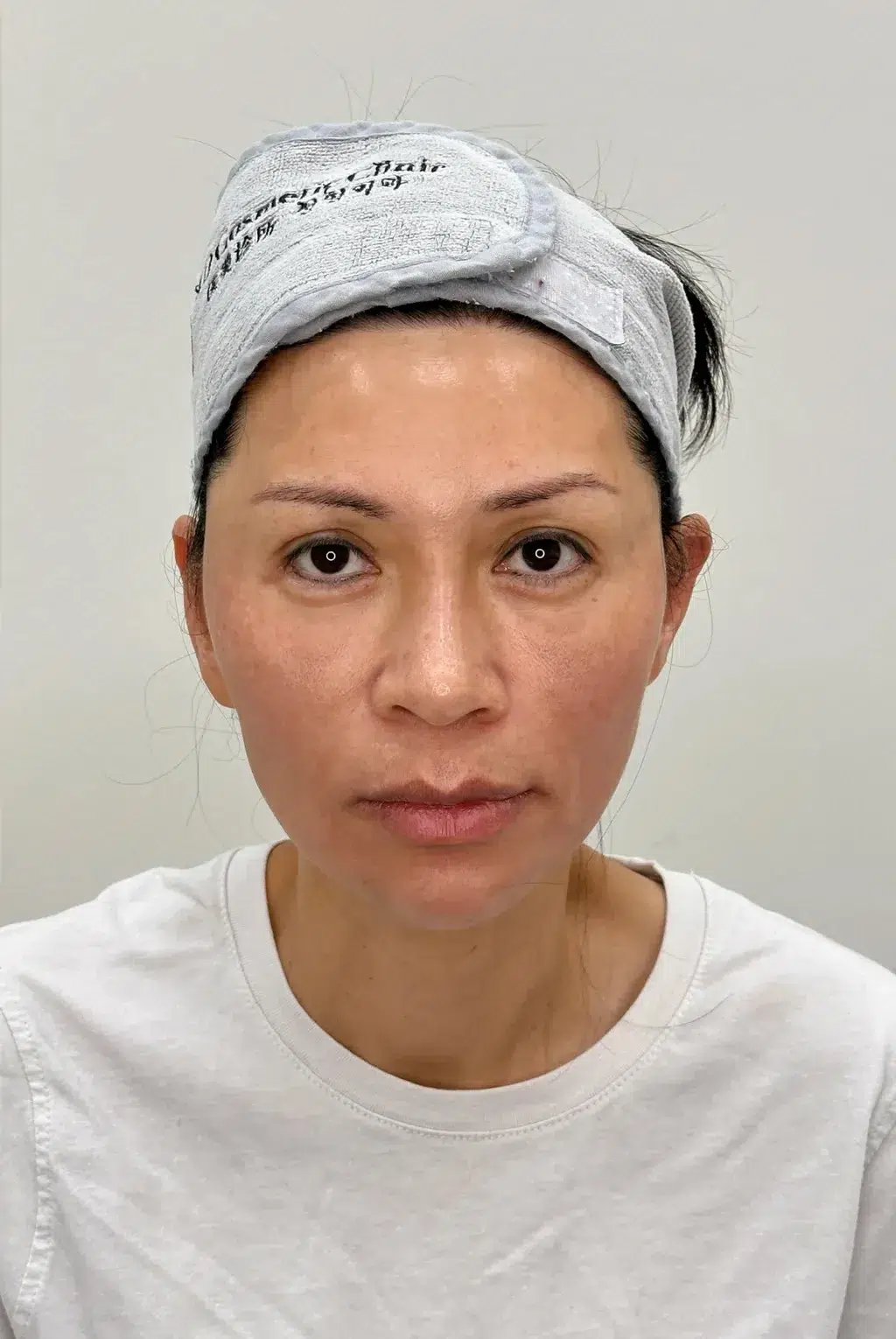
Case 05 · Rough Skin Texture — Real Patient Documentation
- Patient Profile
- Asian Female · Fitzpatrick IV
- Concerns addressed
- Rough Skin / Uneven Texture (Comprehensive Improvement with Multimodal Combination Therapy)
- Treatment Plan
- Dual picosecond combination treatment + Pico® brightening and skin rejuvenation + PicoSure® + PicoSure Pro® — 9 treatments total (multiple sessions within 3 months)
- Treatment Outcomes
- Rough skin texture / uneven texture visibly improved · overall result appears natural
- PIH incidence
- No PIH
- Maintenance
- Regular sun protection + monthly at-home skincare + quarterly clinical assessment
Case 05: Rough Skin / Uneven Texture — Before & After · Asian Female · Fitzpatrick IV · Multimodal combination treatment led by our physician at Luowei Medical Aesthetics Clinic, Nanjing
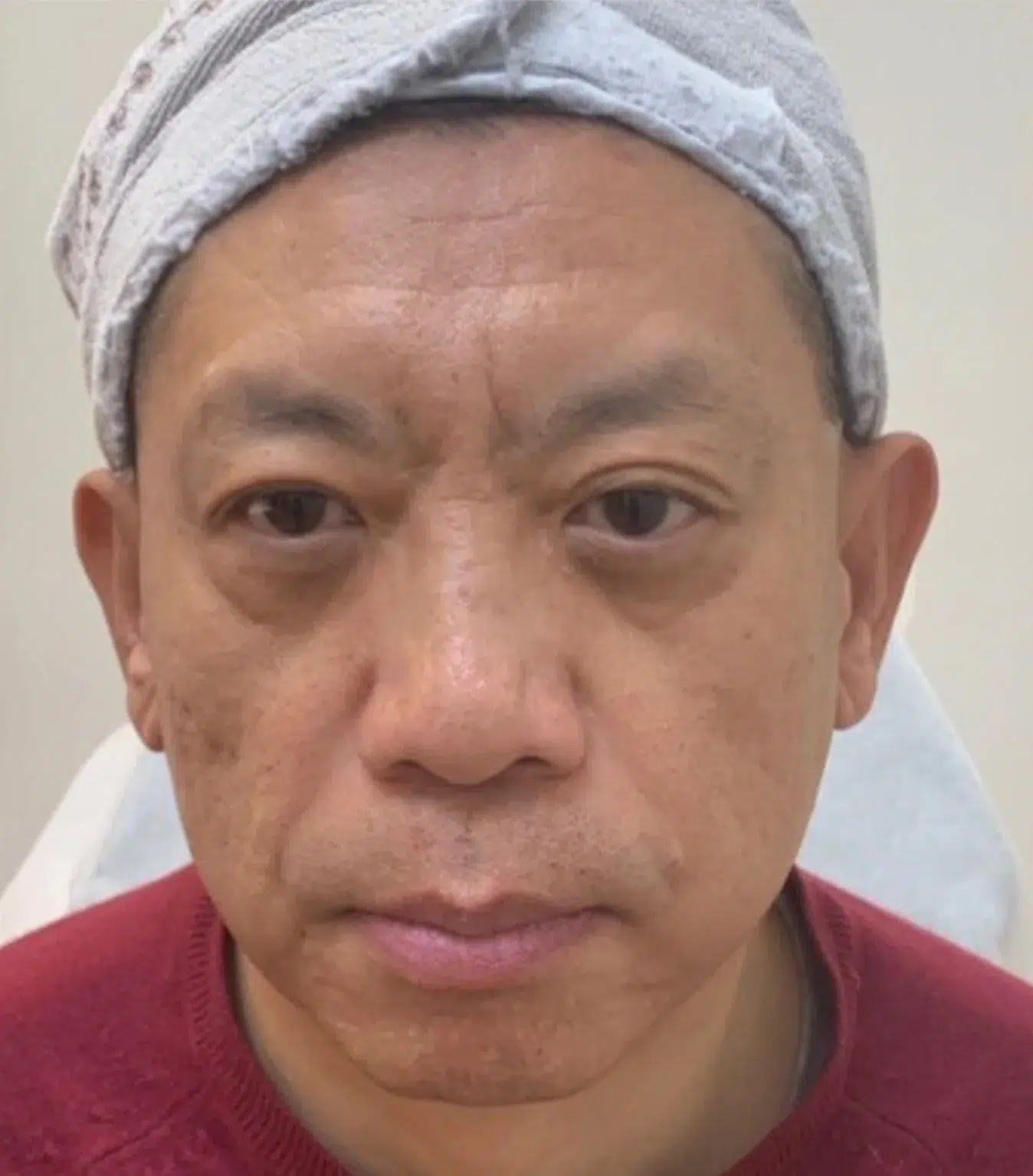
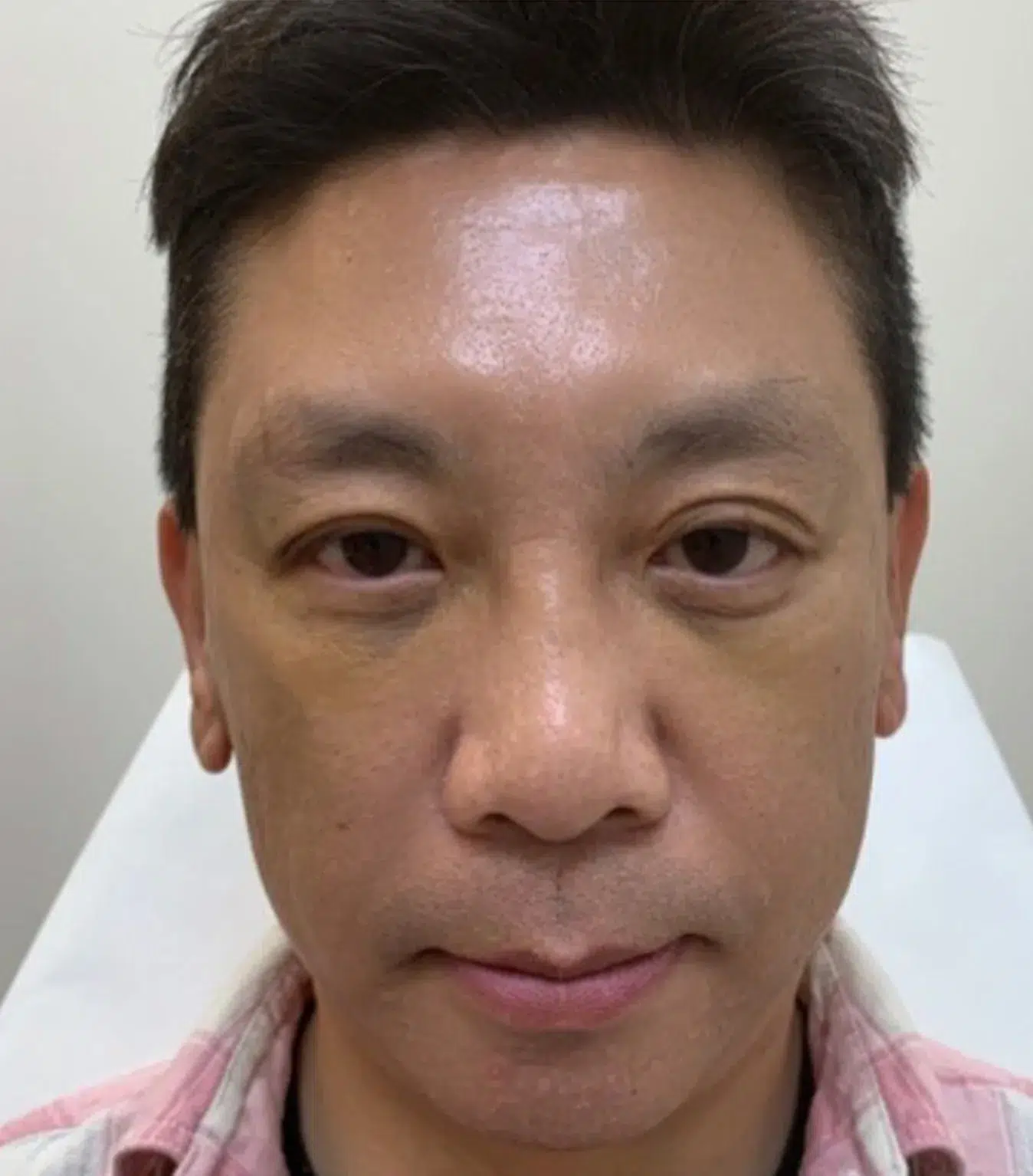
Case 6 · Rough Skin / Uneven Texture — Real Patient Documentation
- Patient Profile
- Asian Female · Fitzpatrick IV
- Concerns addressed
- Rough Skin / Uneven Texture (Comprehensive Improvement with Multimodal Combination Therapy)
- Treatment Plan
- BTL Exilis Ultra™ + BTL Exilis Ultra 360 + Fotona® 4D + Fotona® 4D lifting — 17 treatment types (multiple sessions within 3 months)
- Treatment Outcomes
- Rough skin texture / uneven texture visibly improved · overall result appears natural
- PIH incidence
- No PIH
- Maintenance
- Regular sun protection + monthly at-home skincare + quarterly clinical assessment
Case 06: Before & After — Rough / Uneven Skin Texture · Asian Female · Fitzpatrick IV · Multimodal combination protocol led by our physician at Luowei Medical Aesthetics Clinic, Nanjing
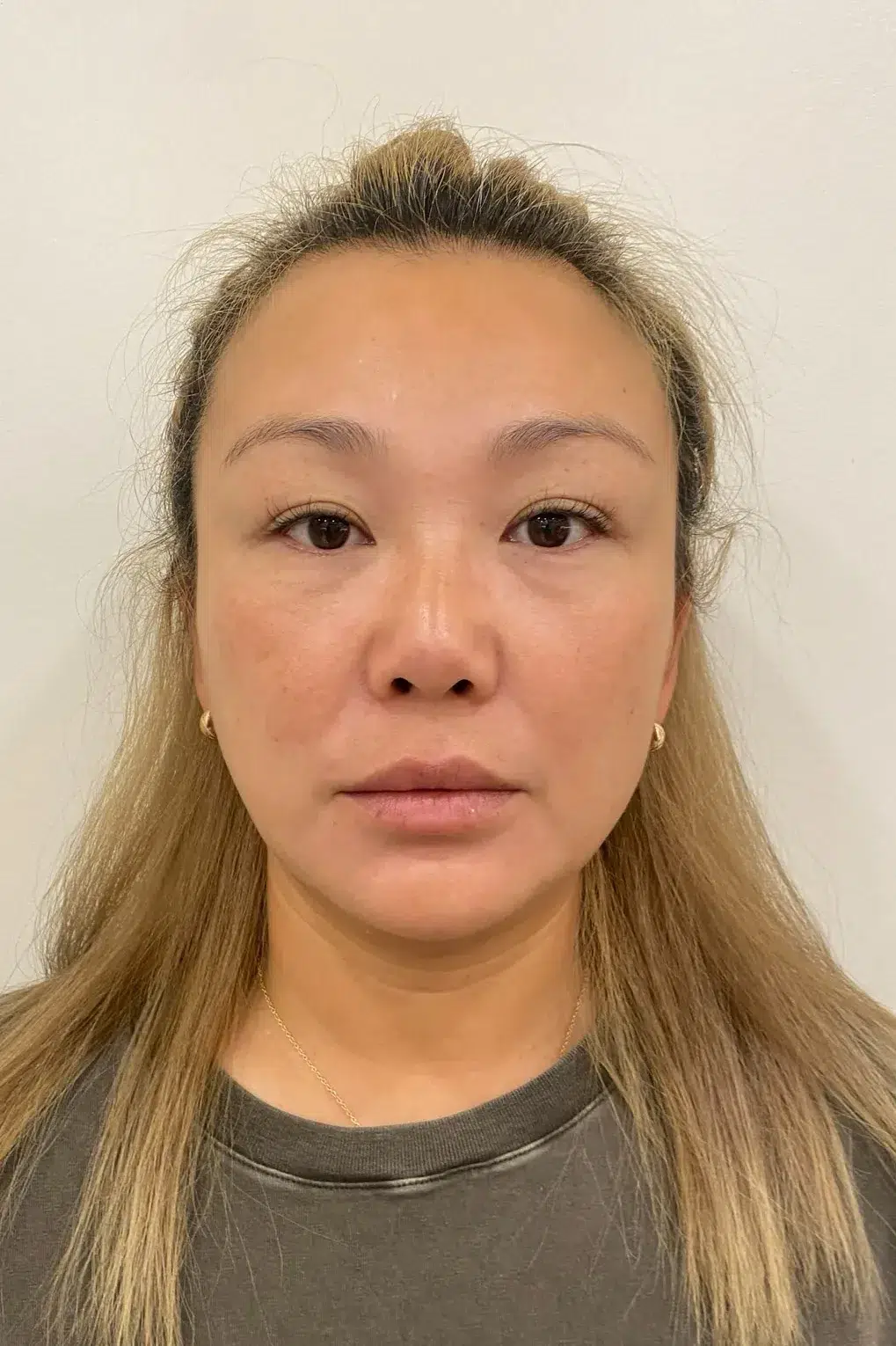
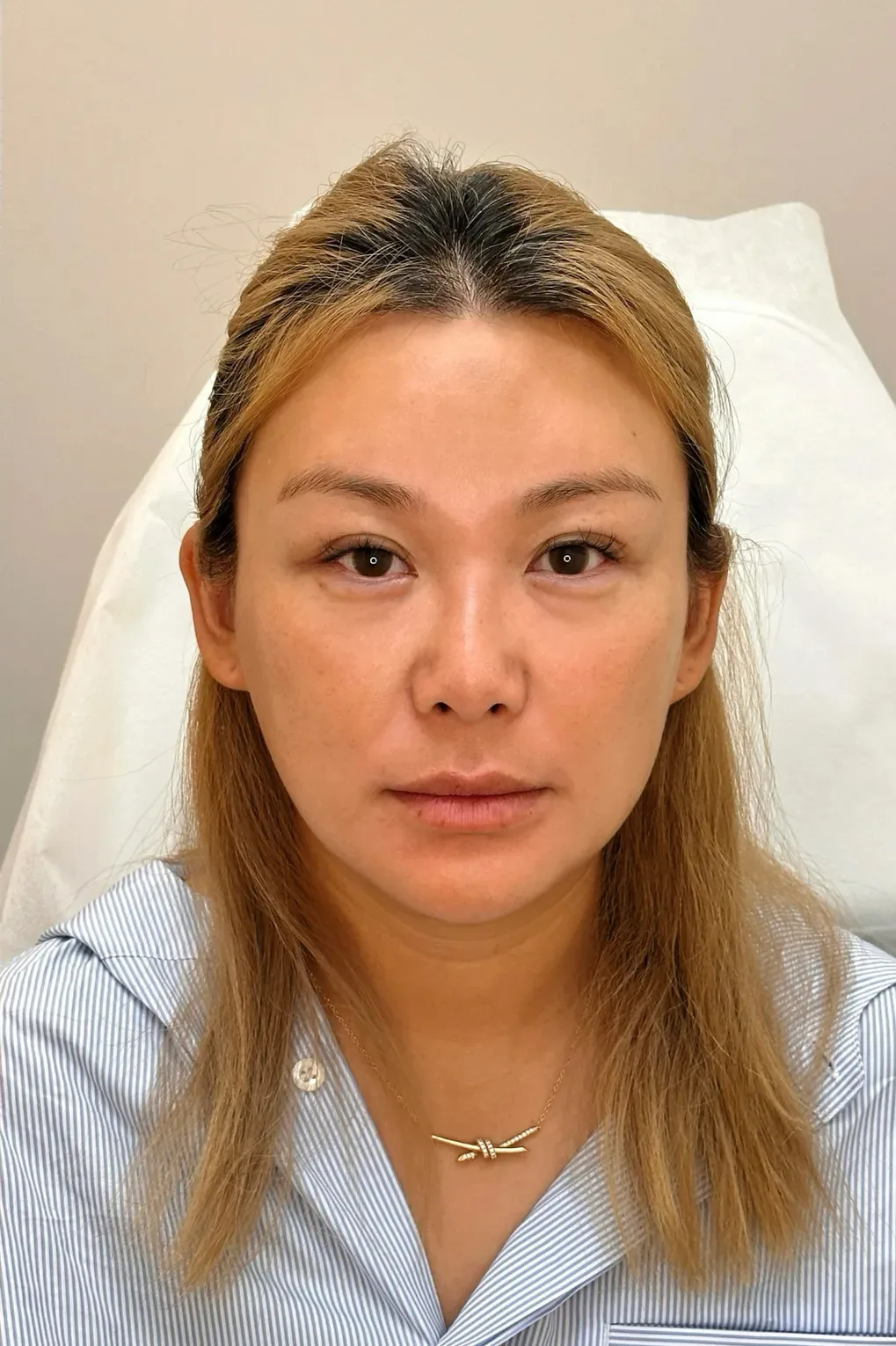
Case 8 · Documented Clinical Record — Rough / Uneven Skin Texture
- Patient Profile
- Asian Female · Fitzpatrick I · Duration: approximately 2–3 years
- Concerns addressed
- Rough Skin / Uneven Texture (Comprehensive Improvement with Multimodal Combination Therapy)
- Treatment Plan
- Juvéderm® / Restylane® filler + eye rejuvenation / brightening injections (multiple sessions within 3 months)
- Treatment Outcomes
- Rough skin texture / uneven texture visibly improved · overall result appears natural
- PIH incidence
- No PIH
- Maintenance
- 6–12 month follow-up · top-up treatment if needed + at-home eye cream for maintenance
Case 08: Rough Skin / Uneven Texture — Before & After · Asian Female · Fitzpatrick I · Duration: approximately 2–3 years · Multimodal combination treatment led by our physician at Luowei Medical Aesthetics Clinic, Nanjing
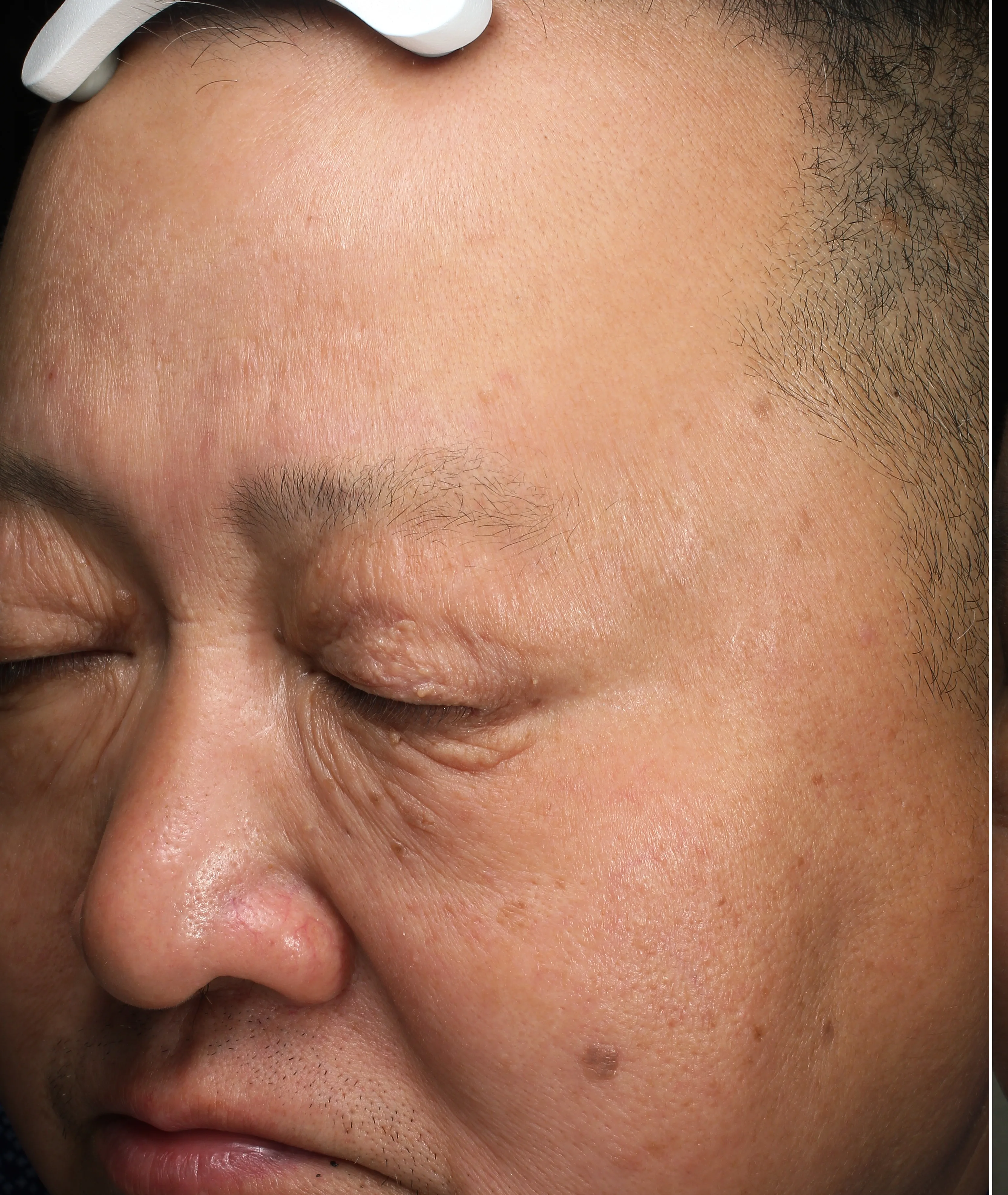
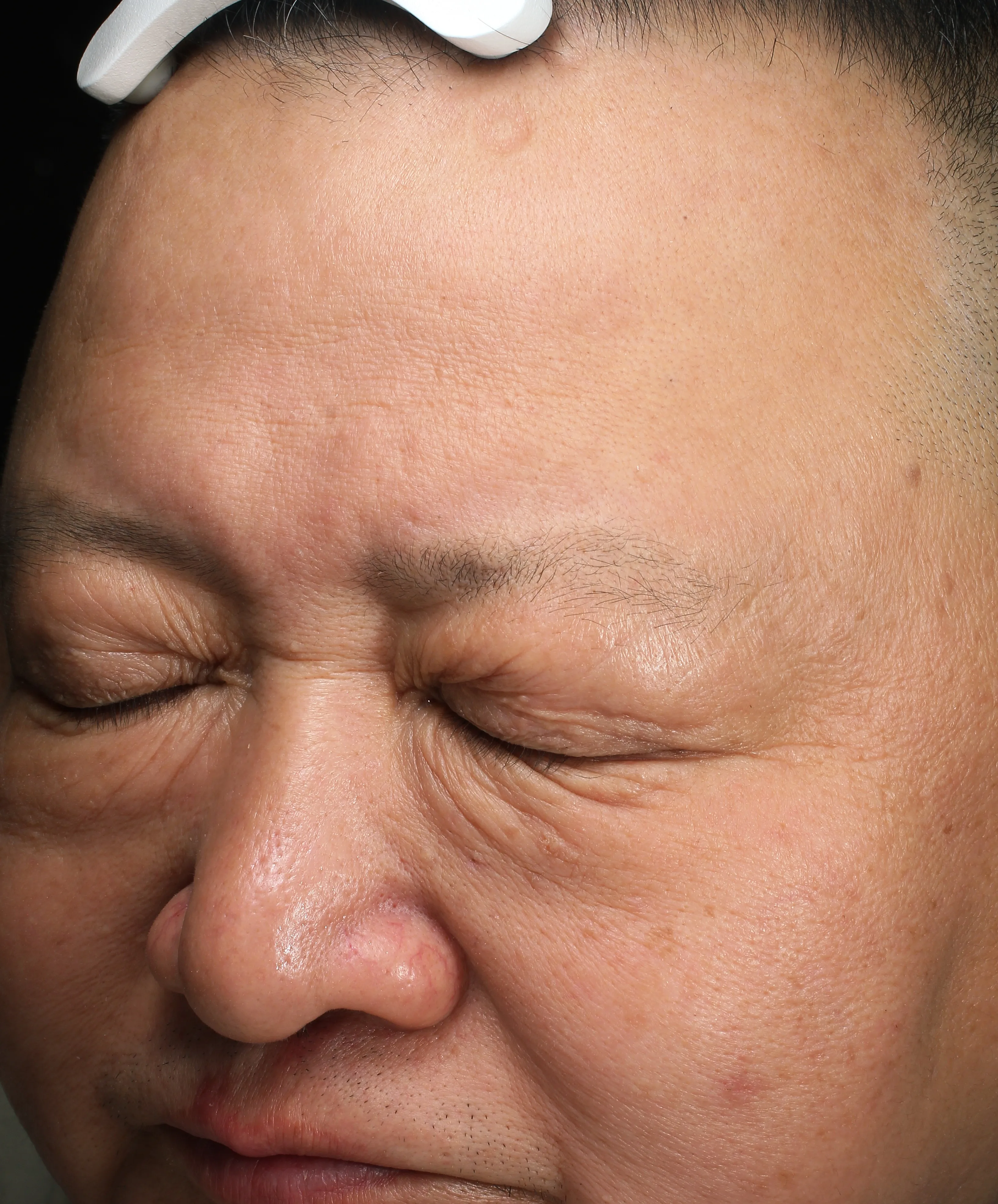
Case 8 · Documented Clinical Record — Rough / Uneven Skin Texture
- Patient Profile
- Asian Female · Fitzpatrick IV
- Concerns addressed
- Rough Skin / Uneven Texture (Comprehensive Improvement with Multimodal Combination Therapy)
- Treatment Plan
- Dual picosecond combination treatment + Pico® brightening and skin rejuvenation + PicoSure® + PicoSure Pro® — 5 treatments total (multiple sessions within 3 months)
- Treatment Outcomes
- Rough skin texture / uneven texture visibly improved · overall result appears natural
- PIH incidence
- No PIH
- Maintenance
- PRP once per quarter + Ultherapy® maintenance at 18 months + strict sun protection
Case 08: Rough Skin Texture — Before & After · Asian Female · Fitzpatrick IV · Multimodal combination treatment led by our physician at Luowei Medical Aesthetics Clinic, Nanjing
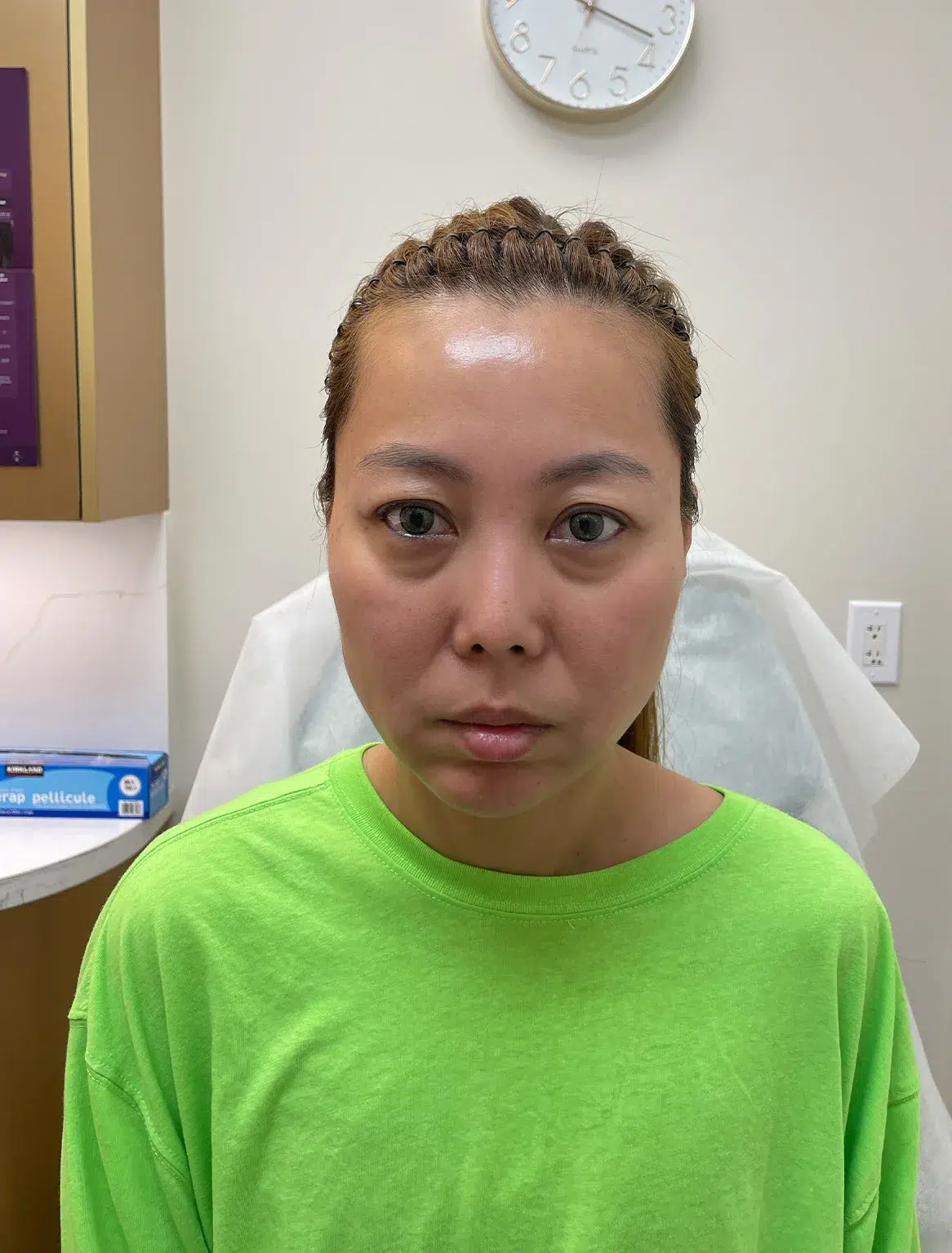
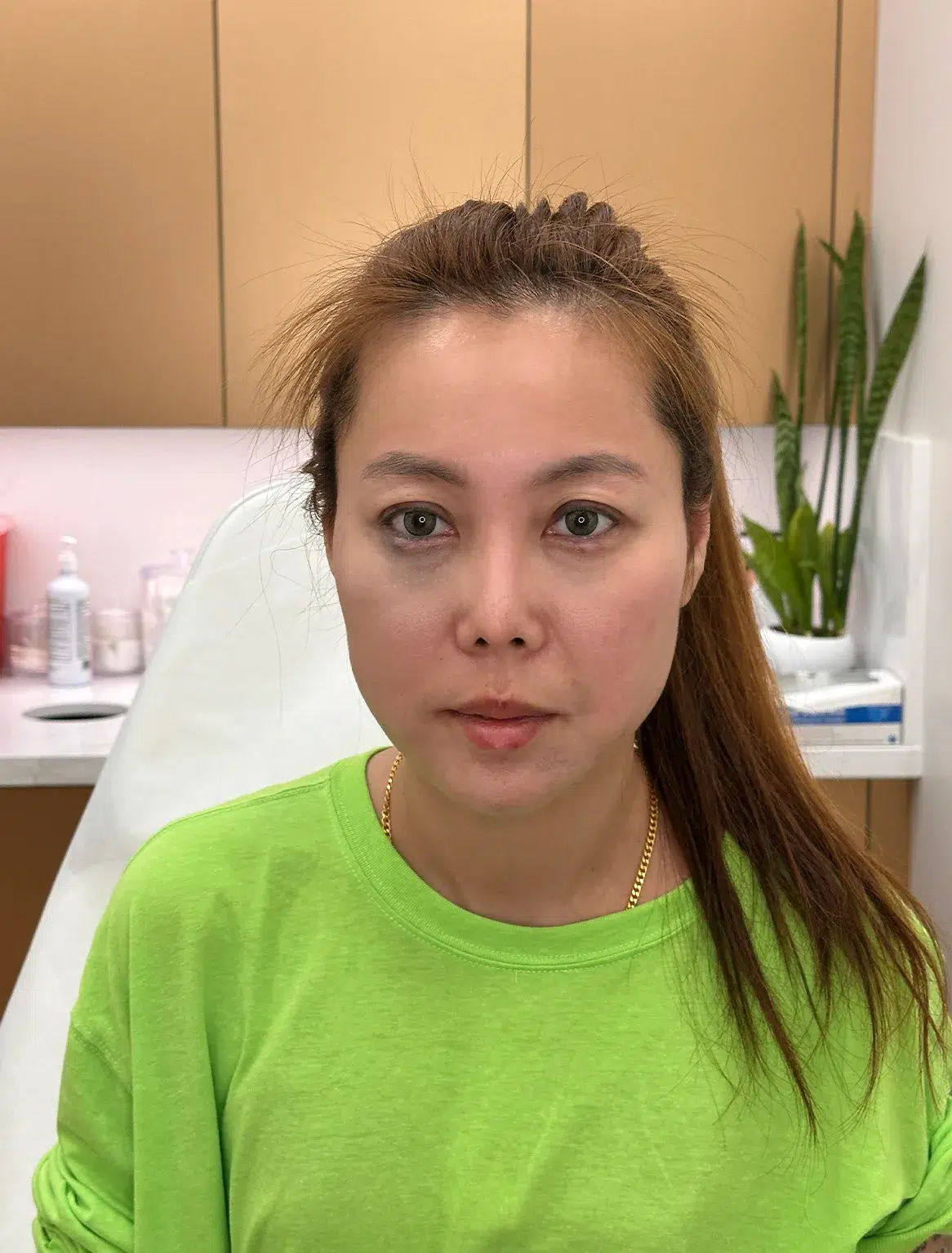
Case 10 · Documented Clinical Record — Rough / Uneven Skin Texture
- Patient Profile
- Asian Female · Fitzpatrick I · Duration: approximately 2–3 years
- Concerns addressed
- Rough Skin / Uneven Texture (Comprehensive Improvement with Multimodal Combination Therapy)
- Treatment Plan
- Juvéderm® / Restylane® filler + eye rejuvenation / brightening injections (multiple sessions within 3 months)
- Treatment Outcomes
- Rough skin texture / uneven texture visibly improved · overall result appears natural
- PIH incidence
- No PIH
- Maintenance
- 6–12 month follow-up · top-up treatment if needed + at-home eye cream for maintenance
Case 10: Before & After — Rough / Uneven Skin Texture · Asian Female · Fitzpatrick I · Duration approx. 2–3 years · Multimodal combination protocol led by our physician at Luowei Medical Aesthetics Clinic, Nanjing
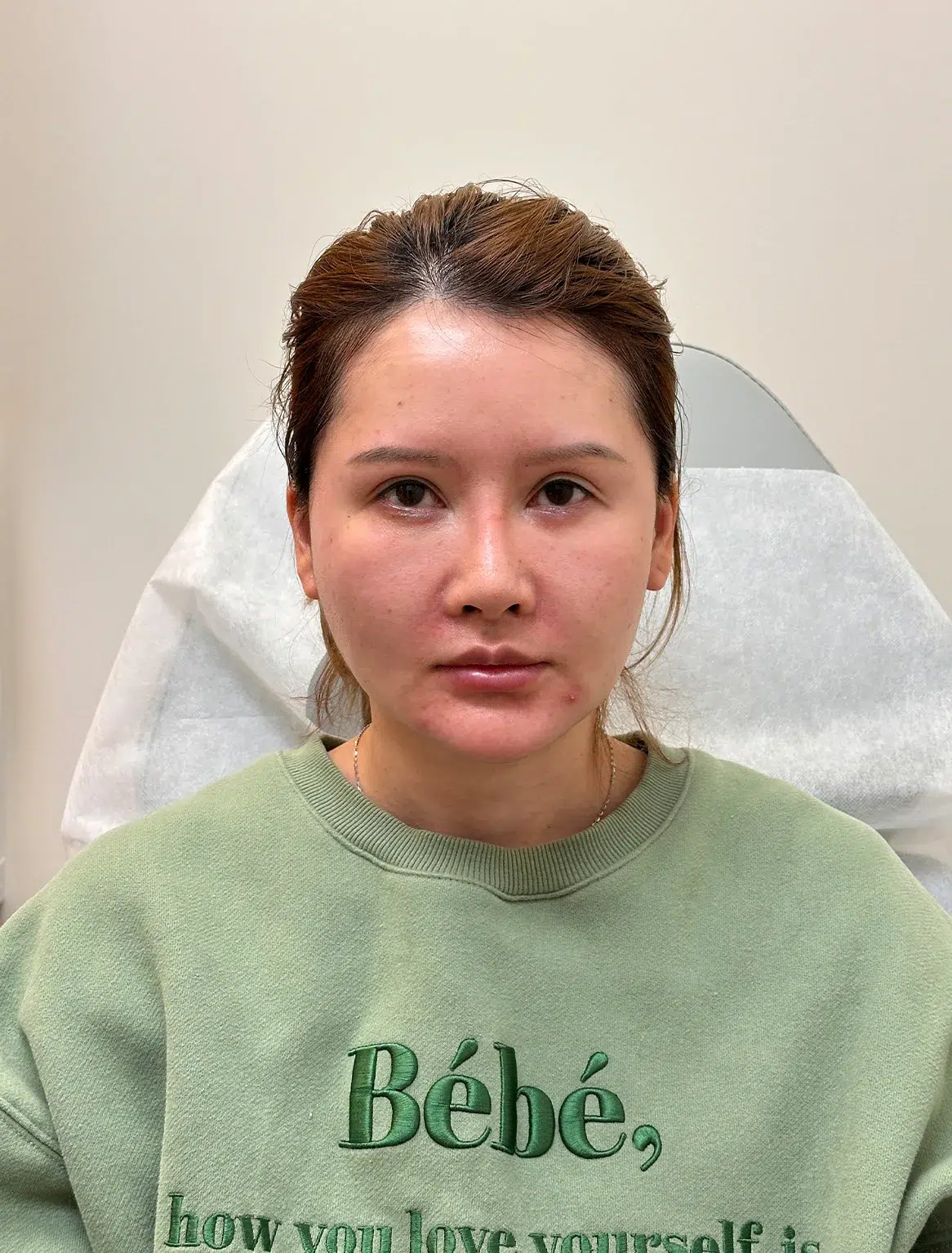
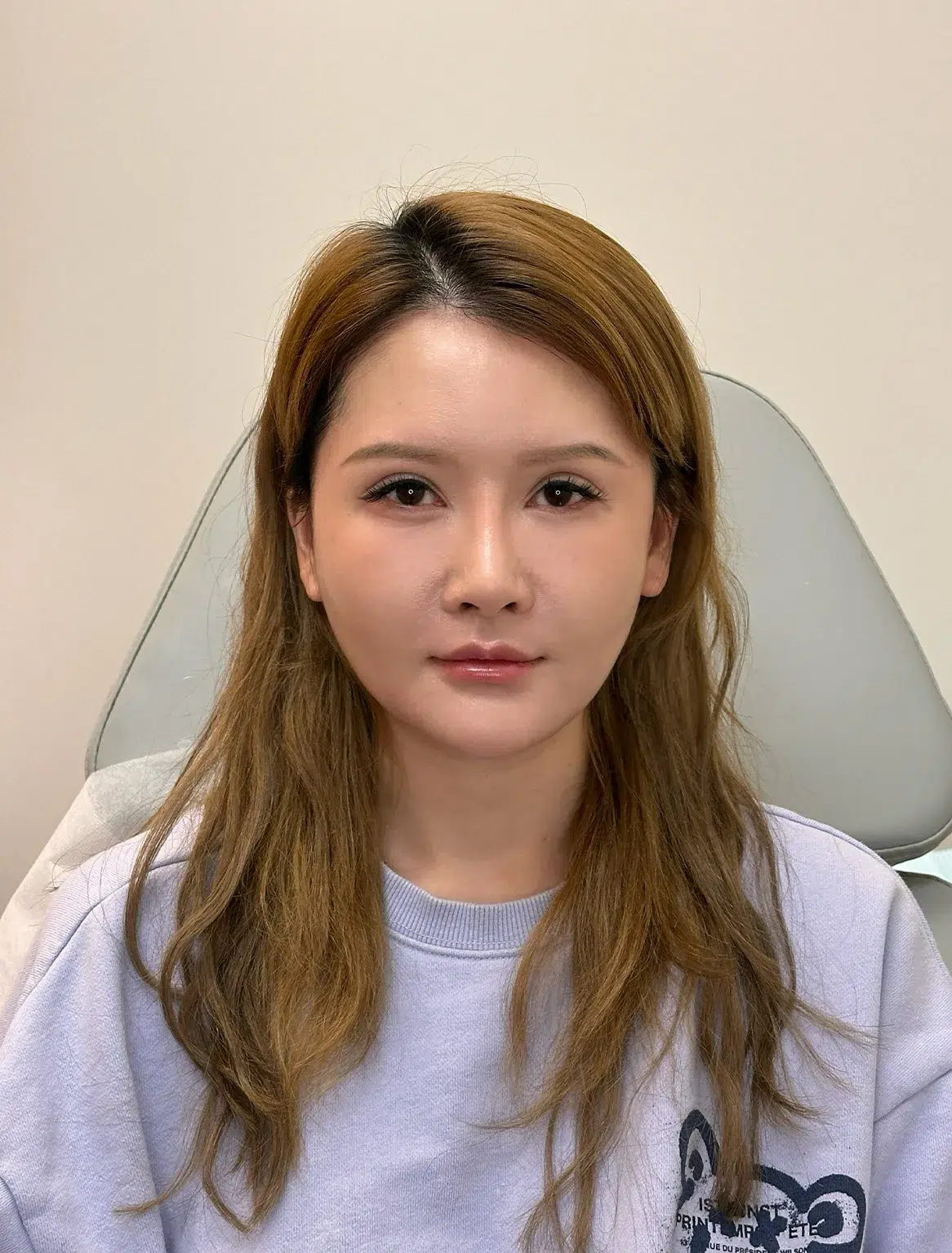
Case 11 · Rough Skin Texture — Real Patient Documentation
- Patient Profile
- Asian Female · Fitzpatrick I · Duration: approximately 2–3 years
- Concerns addressed
- Rough Skin / Uneven Texture (Comprehensive Improvement with Multimodal Combination Therapy)
- Treatment Plan
- Juvéderm® / Restylane® filler + eye rejuvenation / brightening injections (multiple sessions within 3 months)
- Treatment Outcomes
- Rough skin texture / uneven texture visibly improved · overall result appears natural
- PIH incidence
- No PIH
- Maintenance
- 6–12 month follow-up · top-up treatment if needed + at-home eye cream for maintenance
Case 11: Rough Skin Texture — Before & After · Asian Female · Fitzpatrick I · Duration: approximately 2–3 years · Multimodal combination treatment led by our physician at Luowei Medical Aesthetics Clinic, Nanjing
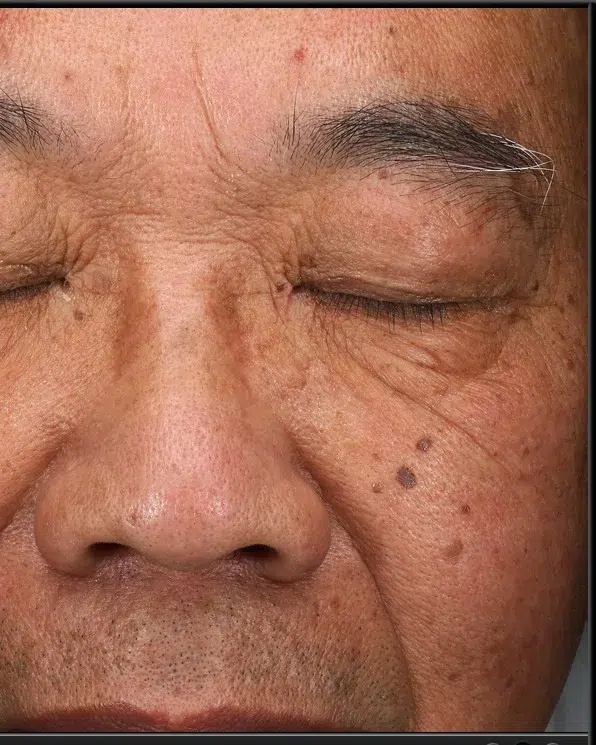
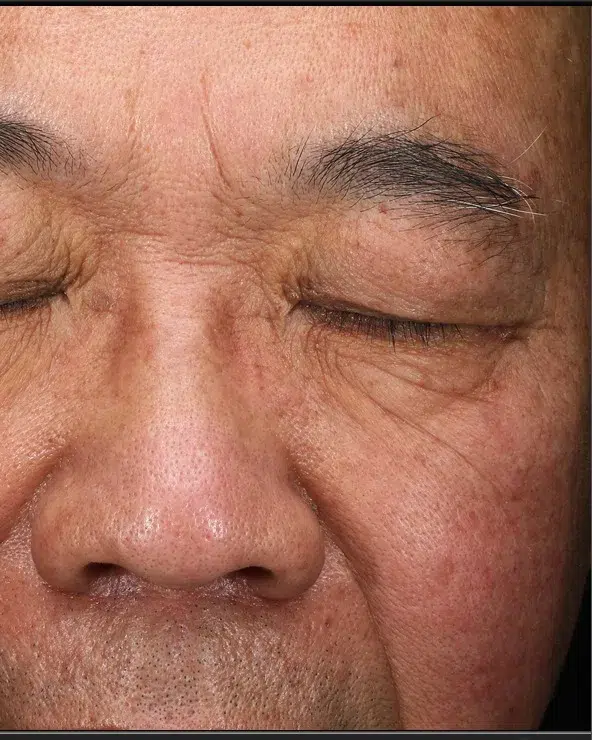
Case 38 · Rough Skin / Uneven Texture — Real Patient Documentation
- Patient Profile
- Asian Male · Fitzpatrick IV
- Concerns addressed
- Rough Skin / Uneven Texture (Comprehensive Improvement with Multimodal Combination Therapy)
- Treatment Plan
- Dual picosecond combination therapy + Pico® brightening & rejuvenation + PicoSure® + PicoSure Pro® — 7 treatment types (multiple sessions within 3 months)
- Treatment Outcomes
- Rough skin texture / uneven texture visibly improved · overall result appears natural
- PIH incidence
- No PIH
- Maintenance
- Regular sun protection + monthly at-home skincare + quarterly clinical assessment
Case 38: Rough Skin / Uneven Texture — Before & After · Asian Male · Fitzpatrick IV · Multimodal combination treatment led by our physician at Luowei Medical Aesthetics Clinic, Nanjing
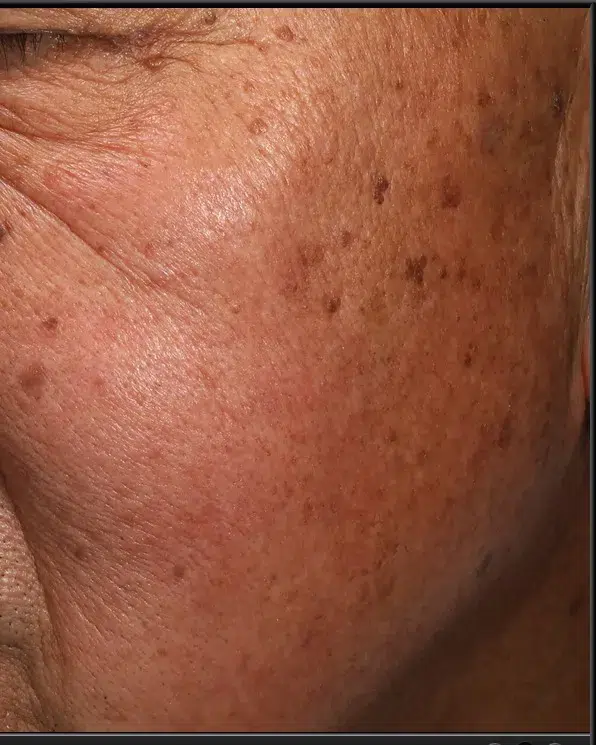
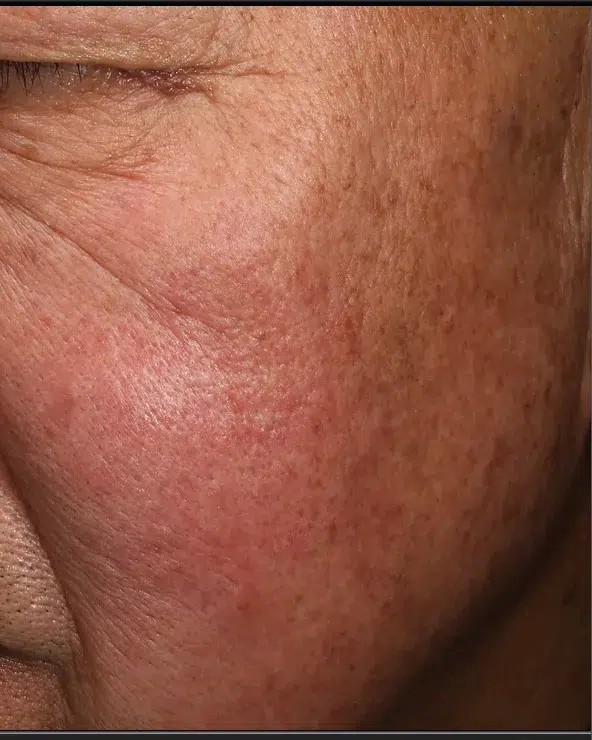
Case 40 · Documented Clinical Record — Rough / Uneven Skin Texture
- Patient Profile
- Asian Male · Fitzpatrick IV
- Concerns addressed
- Rough Skin / Uneven Texture (Comprehensive Improvement with Multimodal Combination Therapy)
- Treatment Plan
- Dual picosecond combination therapy + Pico® brightening & rejuvenation + PicoSure® + PicoSure Pro® — 7 treatment types (multiple sessions within 3 months)
- Treatment Outcomes
- Rough skin texture / uneven texture visibly improved · overall result appears natural
- PIH incidence
- No PIH
- Maintenance
- Regular sun protection + monthly at-home skincare + quarterly clinical assessment
Case 40: Before & After — Rough / Uneven Skin Texture · Asian Male · Fitzpatrick IV · Multimodal combination protocol led by our physician at Luowei Medical Aesthetics Clinic, Nanjing
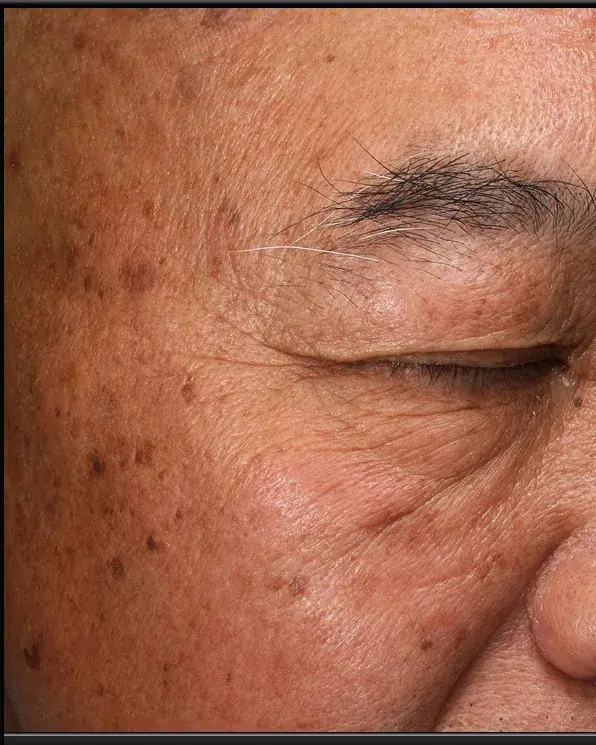
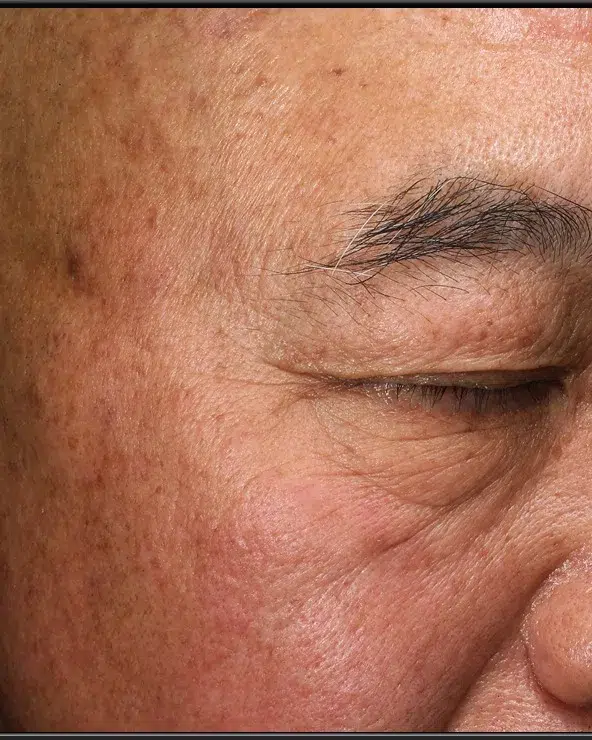
Case 41 · Rough Skin Texture — Real Patient Documentation
- Patient Profile
- Asian Female · Fitzpatrick IV
- Concerns addressed
- Rough Skin / Uneven Texture (Comprehensive Improvement with Multimodal Combination Therapy)
- Treatment Plan
- Dual picosecond combination therapy + Pico® brightening & rejuvenation + PicoSure® + PicoSure Pro® — 7 treatment types (multiple sessions within 3 months)
- Treatment Outcomes
- Rough skin texture / uneven texture visibly improved · overall result appears natural
- PIH incidence
- No PIH
- Maintenance
- Regular sun protection + monthly at-home skincare + quarterly clinical assessment
Case 41: Rough Skin Texture — Before & After · Asian Female · Fitzpatrick IV · Multimodal combination treatment led by our physician at Luowei Medical Aesthetics Clinic, Nanjing
What is uneven skin texture? How is it different from “dull skin tone” and “enlarged pores”?
Rough / Uneven Skin Texture refers to the tactile and visual irregularities of the skin surface —Bumpy texture, grainy feel, foundation settling into pores. It may result from hyperkeratosis, overactive sebaceous glands, acne scarring, photoaging, a compromised skin barrier, or a combination of these factors. It is not a single diagnosis, but rather The visible end result of multiple underlying skin concerns, This is why identifying the underlying cause must come before any treatment.
Why can’t a single device address all texture concerns?
Keratinization responds to resurfacing; scarring responds to fractional laser; photoaging responds to injectables or collagen stimulation — Different causes require different devices.. Choosing the wrong approach wastes treatment resources and can further compromise the skin barrier.
Uneven Texture vs. Enlarged Pores?
Enlarged pores are Punctate depressions(individual spots), whereas uneven texture is Surface unevenness(across larger areas). The two conditions often coexist, but require different approaches: enlarged pores respond to pore refinement and collagen stimulation, while uneven texture calls for resurfacing and structural remodeling.
Uneven texture vs. dull skin tone?
Dullness is a color issue — pigmentation and circulation. Texture is a tactile issue — keratinization and dermal structure. The two frequently coexist: buildup of dead skin cells can make the complexion look both darker and rougher at the same time.
Why Is VISIA + Tactile Assessment an Essential First Step?
VISIA Texture channels to quantify surface roughness; hands-on palpation by the physician helps differentiate scar depth.Applying acids or performing fractional treatments without prior assessment— is a leading cause of post-inflammatory hyperpigmentation (PIH) and barrier breakdown in Asian skin.
Clinical Note:Many clients tell us, “Our skin is just bad — rough, dull, enlarged pores, acne marks, everything at once.” This kind of Complex, multi-factorial concern A layered approach is required — attempting to address everything in a single session is neither safe nor realistic. The first step in our physician’s protocol is Breaking down, not simply turning on the device.
Five Key Causes of Uneven Skin Texture — It’s Not Just About Exfoliation
In clinical practice, surface-level keratin buildup is only one contributing factor. Uneven texture in Asian skin is more often Multiple overlapping contributing factors, Each requires a distinct approach.
1. Abnormal keratin turnover
The skin’s natural cell turnover cycle (approximately 28 days) slows progressively after age 30. As the stratum corneum thickens, skin feels rougher and makeup no longer sits smoothly. Conditions such as diabetes and thyroid dysfunction can further impair turnover rate.
2. Overactive sebaceous glands
Excess sebum production combined with accumulated dead skin cells forms microcomedones, giving the skin surface a bumpy, congested texture. This is especially common in Asian oily and combination skin types during hot and humid seasons.
3. Acne Scars (Atrophic Scars)
Ice pick, boxcar, and rolling scars left by adolescent or adult acne create permanent depressions in the dermis. Resurfacing alone is insufficient; fractional laser treatment is required to stimulate collagen remodeling.
4. Photoaging / Collagen Loss
Chronic UVA exposure breaks down dermal collagen and elastin fibers, causing the skin to thin, lose elasticity, and develop an uneven surface texture. Intense UV radiation combined with dry climate conditions in North America is the primary contributing factor for clients aged 40 and above.
5. Barrier compromise / chronic inflammation
Overuse of exfoliating acids, improper use of retinoids, or prolonged corticosteroid application can impair barrier function, leading to redness, dryness, and rough texture. In these cases,No further resurfacing, Barrier repair must come first.
4 skin conditions commonly confused with uneven texture — key differentiating features
“Uneven texture” is a presenting complaint, not a diagnosis. The table below outlines the 4 most common conditions frequently misclassified under this umbrella in clinical practice.
Enlarged Pores
Enlarged Pores
| Presentation | Punctate depressions, most commonly in the T-zone |
|---|---|
| Tactile feel / texture | Localized depressions against an otherwise smooth surface |
| Distribution | Concentrated around the nose wings and upper cheeks |
| Triggers / contributing factors | Sebaceous gland activity + age-related skin laxity |
| First-Line Treatment | Fractional laser / PicoSure Pro® / Sofwave™ skin tightening |
Acne Scars
Atrophic Acne Scars
| Presentation | Deep depressions with well-defined edges |
|---|---|
| Tactile feel / texture | Pronounced surface undulation |
| Distribution | Cheeks / temples |
| Triggers / contributing factors | Post-acne dermal collagen damage |
| First-Line Treatment | Fotona Er: YAG Fractional laser + Subcision |
Dull Skin
Dullness · Lack of Radiance
| Presentation | Overall complexion appearing sallow or ashen |
|---|---|
| Tactile feel / texture | Texture may vary; primary concern is uneven pigmentation |
| Distribution | Uniform across the full face |
| Triggers / contributing factors | Slow cell turnover + poor circulation + barrier compromise |
| First-Line Treatment | HydraFacial / OxyGeneo / Skin booster injection |
Compromised Barrier / Sensitive Skin (Compromised Barrier)
Barrier Dysfunction
| Presentation | Redness + dryness + flaking |
|---|---|
| Tactile feel / texture | Rough texture accompanied by stinging or burning |
| Distribution | Irregular distribution, commonly on both cheeks |
| Triggers / contributing factors | Over-exfoliation / inappropriate laser treatment / corticosteroid misuse |
| First-Line Treatment | Discontinue all active ingredients + barrier repair for 8–12 weeks |
⚠️ Warning:Clinically, approximately 25% of patients who present with a chief complaint of “uneven texture” are reclassified after tactile examination and VISIA assessment as Barrier compromise— For these patients, resurfacing and fractional treatments are contraindicated. The first step must be to stop all active treatments and focus on barrier repair — continuing without this step will only worsen the condition.
Why Must Uneven Skin Texture in Asian Skin Be Treated with a Fitzpatrick III–V Specialist Protocol?
A common blind spot among mainstream North American clinics
Resurfacing and fractional laser protocols used at most North American medspas are derived from clinical data on Fitzpatrick I–II (lighter) skin types. Applying these parameters directly to Asian Fitzpatrick III–V skin creates a core problem:
- ✗ Excessive resurfacing concentration— Asian skin has a comparatively thinner epidermal barrier; high-concentration TCA carries an elevated risk of inducing PIH.
- ✗ Excessive fractional laser energy— Asian melanocytes are highly reactive, leading to an increased risk of post-inflammatory hyperpigmentation (PIH)
- ✗ Underestimating the required recovery period— Asian skin requires longer recovery intervals between sessions — a step that is frequently compressed
Our physician’s Fitzpatrick III–V Specialist Adjustments
| Parameters | North American standard | Asian-specific adjustments |
|---|---|---|
| Resurfacing concentration | TCA 20-35% | Lactic acid / mandelic acid starting at 30% |
| Fractional density | 15-20% | 8-12% Multiple Sessions |
| Energy level | Standard | Reduced by 30–40% |
| Treatment interval | 3-4 weeks | 4-6 weeks |
| Pre-Treatment | Optional | 4 weeks of barrier repair — essential |
Key differentiating factors:Our physician has specialized in Asian faces in Nanjing for over 8 years, with more than 90% of clients presenting with Fitzpatrick III–V skin.
6 Treatment Options for Uneven Skin Texture — Categorized by Underlying Cause
There is no single “miracle” texture treatment. We combine the appropriate devices and therapies based on VISIA assessment and tactile skin type classification.
HydraFacial Three-Step Resurfacing
Cleansing + resurfacing + nutrient infusion in one treatment — minimal downtime.Hyperkeratosis / dull skin texture type the preferred starting point, particularly suitable for clients in a sensitive skin phase or those trying medical aesthetics for the first time.
Chemical peel (lactic acid / mandelic acid / superficial TCA)
Promotes epidermal cell turnover, improves skin texture, and supports brightening. Our physician uses Asian low-concentration multi-session protocol, to minimize post-inflammatory hyperpigmentation (PIH).
Fotona Er: YAG Fractional Laser
2940nm Short wavelength for precise ablation and collagen remodeling stimulation. Suitable for Acne Scar Type / Photoaging Type texture. Asian skin requires low-density, fractionated treatment sessions.
OxyGeneo resurfacing
A 3-in-1 non-ablative approach (exfoliation + oxygenation + nourishment), suitable for Oily / comedonal type skin texture during pregnancy and sensitive skin phases.
Rejuran® / skin booster injection (hyaluronic acid + multi-element complex)
Superficial dermal hydration and nourishment that improves photoaging-related texture and dullness. Used between laser sessions to accelerate recovery and enhance brightening.
Microdermabrasion
Physical exfoliation with no thermal injury. Suitable for Mild texture from pure keratinization and clients who are intolerant to acid-based treatments.
Our physician’s 6-Step Standard Protocol for Uneven Skin Texture
Consultation + VISIA Quantification + Tactile Skin Type Classification
30 minute complimentary consultation, including VISIA Texture channel quantification, tactile assessment to determine scar depth, and a Glogau photoaging evaluation — Our standard three-step assessment.No treatment without classification.
4 weeks of barrier preparation (required)
Barrier-repair skincare combined with strict daily mineral SPF 50+. The condition of the skin barrier determines how intensive subsequent treatments can be — skipping this step leads to resurfacing failure or post-inflammatory hyperpigmentation (PIH).
Graded test patch
For fractional laser or medium-strength chemical peels, a test patch is first performed in a discreet area near the jawline, with the skin response observed over 7–10 days.An essential step for Asian skin.
Active Treatment Phase (4–8 sessions, once every 3–6 weeks)
Select the primary treatment — HydraFacial, resurfacing, or fractional laser — based on skin type classification, with skin booster injections as an adjunct. Apply immediate post-treatment repair care after each session to prevent cumulative inflammation.
Assessment phase (8 weeks after the primary treatment course)
VISIA Quantitative comparison and tactile re-assessment. Used to determine whether to transition into the maintenance period or adjust the treatment plan.
Maintenance phase (once every 6–12 weeks, ongoing)
low-frequency maintenance sessions + at-home retinoids or mild exfoliating acids + strict sun protection. Skin texture is a Ongoing condition, Regular maintenance is required — this is not a one-time fix.
Treatment Timeline — How Long Before You See Results?
| Classification | Primary treatment course | Initial results visible | Significant improvement | Maintenance Interval |
|---|---|---|---|---|
| Hyperkeratosis type | 3-4 sessions | After the 1st session | After session 3 | Every 6–8 weeks |
| Oily / comedonal type | 4-6 sessions | After session 2 | After the 4th session | Every 6–8 weeks |
| Photoaging Type | 5-6 sessions | After sessions 2–3 | After session 5 | every 8–12 weeks |
| Acne Scar Type | 5-8 sessions | After session 3 | After session 6 | every 4–6 months |
Clinical note:Among the feedback on texture improvement,Tactile feel / texture > Visual. Most clients notice a tactile difference after the 1st or 2nd session, although visible improvements captured on camera typically require 3–4 cumulative sessions. Clients who complete the full treatment course report significantly higher long-term satisfaction.
Are You a Candidate for Skin Texture Treatment? 2-Minute Self-Assessment
✅ Ready to begin an assessment
- ✓Skin feels rough to the touch and foundation cakes or settles into texture for more than 3 months
- ✓Acne scarring stable for more than 6 months (no active acne)
- ✓Dry, rough skin resulting from prolonged sun exposure
- ✓At-home acid exfoliation or retinoids alone yield limited results
- ✓Willing to commit to a structured course of 4–8 sessions
- ✓Open to the concept of long-term maintenance
❌ Treatment should be deferred or other concerns addressed first
- ✗Active facial acne / eczema / dermatitis
- ✗Sun exposure or sunburn within the past 4 weeks that has not fully resolved
- ✗Compromised barrier phase (redness / burning sensation / flaking)
- ✗Currently taking photosensitizing medications (isotretinoin within the past 6 months)
- ✗Expecting complete resolution in a single session (unrealistic expectation)
- ✗Severe keloid tendency not assessed prior to treatment
Luowei Medical Aesthetic Texture Protocol vs. Standard MedSpa
- ✗Recommends packages after a brief visual glance, without VISIA or tactile assessment
- ✗One device to treat all texture concerns
- ✗Applying resurfacing concentrations designed for Caucasian skin without adjustment
- ✗Proceeding with treatment without barrier pre-conditioning
- ✗Treatments performed entirely by an aesthetician, with no physician assessment
- ✗Recommending “keep treating to cover it up” after PIH or barrier damage has occurred
- ✗No maintenance plan — treating once and leaving without follow-up
- ✓Essential Three-Step Assessment: VISIA + Tactile Examination + Glogau Scale
- ✓6 core treatment protocols, combined according to cause-based classification
- ✓Mandatory 4-Week Barrier Pre-Treatment
- ✓Treatment plans personally developed by our physician
- ✓PIH / Barrier alert system + proactive treatment pause and repair protocol
- ✓6 Phased treatment pathway including a long-term maintenance plan
Why Is Luowei Medical Aesthetics Clinic’s Approach to Skin Texture Trustworthy?
Experience
Expertise
Authoritativeness Authoritative
Trustworthiness Trusted
All cases on this page are shared with Media Release Form authorization · Clinical records available
Pricing for Uneven Skin Texture Treatment
Pricing for uneven skin texture treatment varies widely across clinics — but the real cost driver is not the device itself. It comes down to who performs the assessment, who determines the treatment pace, and how deeply clinical expertise needs to be involved. Uneven texture may appear to be a single concern, but it encompasses multiple underlying causes: impaired keratinocyte turnover, overactive sebaceous glands, post-acne scarring, photoaging, and compromised skin barrier — each requiring a different device and protocol. Complex cases — such as scarring, barrier-compromised, or revision-after-failed-treatment presentations — involve our physician directly in assessment and treatment planning, and the pricing structure reflects that level of medical resource investment. For stableFor clients in a maintenance phase, our trained medical team can safely perform non-ablative treatments such as HydraFacial and OxyGeneo under a physician-directed protocol — a more accessible option. The price difference between laser and resurfacing treatments essentially reflects the clinical experience gap between physician-performed and technician-performed procedures; all injectable treatments are performed by our physician directly. The right plan for you is determined by your skin type, not your budget — the details will be discussed at your consultation using VISIA imaging and hands-on skin assessment.
- Payment is made at the clinic, after the consultation and before treatment begins
- Nothing is paid in advance, and no deposit is required to hold an appointment
- Cosmetic treatment is a self-pay item and is not covered by public medical insurance in China
- All first-time patients enjoy a complimentary 30-minute Complimentary Consultation and assessment
Risks & Contraindications — What You Need to Know
What Are the Main Risks?
1. PIH / post-treatment hyperpigmentation(Moderate risk in Asian skin types — particularly with resurfacing and fractional treatments) — can be significantly reduced through low concentration / low density protocols, test patching, and 4-week barrier pre-treatment; 2. Temporary redness / dryness and flaking (common, 1–7 days); 3. Minor micro-crusting after fractional treatment (resolves on its own in 7–10 days); 4. Transient barrier disruption (manageable when protocols are appropriate); 5. Rare blistering (extremely rare, associated with excessive energy settings).
Who Should Absolutely Avoid This Treatment?
Active facial acne, eczema, or dermatitis; oral isotretinoin use within the past 6 months; unresolved sunburn within the past 4 weeks; a significantly compromised skin barrier; severe keloid tendency that has not been assessed; photosensitive conditions; or unrealistic expectations (believing one session will produce a complete transformation) — in any of these situations, our physician will recommend addressing those concerns first or postponing treatment.
How can the risk of PIH and barrier damage be reduced during treatment?
5 Essential Safety Principles: (1) Always perform a test patch before resurfacing or fractional treatments; (2) Start at the lowest concentration or density and titrate up gradually; (3) Allow a minimum of 4 weeks between sessions; (4) Use physical SPF 50+ sunscreen strictly for 4 weeks before and after each treatment; (5) Begin barrier-repair skincare immediately post-treatment — if persistent redness or a burning sensation lasts more than 7 days, book a follow-up right away.
What does the informed consent form include?
Every client is required to sign an informed consent form before their first treatment. This covers: the mechanism of the procedure, potential adverse reactions and their likelihood, alternative options, criteria for pausing or stopping treatment, follow-up scheduling, and Media Release (voluntary). All content is explained by our physician personally or by a senior member of the medical team — not delegated to administrative staff.
Where the medical claims on this page come from
Everything above about Rough Skin Texture / Uneven Skin Texture rests on published evidence rather than on our own word. The sources below are the ones behind those statements: peer-reviewed papers indexed in PubMed, and guidance written for patients by dermatology academies and national health services. Read them before you decide — and bring any of them to your consultation.
- Peer-reviewedGuidelines of care for the management of acne vulgaris
- Peer-reviewedPostinflammatory hyperpigmentation: A comprehensive overview: Epidemiology, pathogenesis, clinical presentation, and noninvasive assessment technique
- Peer-reviewedMelasma Treatment: An Evidence-Based Review
- Peer-reviewedChemical peels for darker skin types
- Patient guidanceAcne: Tips for managing
- Patient guidanceMelasma: Treatment
What these references can and cannot tell you. They describe what is known about the treatment itself — how well it tends to work, how long results last, and what can go wrong. They are not an assessment of this clinic, and no published study can tell you whether it suits your skin type, anatomy, or medical history. That judgement comes from the physician who examines you in person, and it may well be “not this one”.