Skin Brightening
Skin Brightening refers to improving, through medical means, Overall skin luminosity, clarity, and tone evenness.
Our physician’s Real Skin Brightening Cases
The following four cases were personally evaluated and planned by our physician at our Nanjing clinic, and are shared with written Media Release Form authorization. Skin brightening is a multifaceted concept involving pigmentation irregularities, barrier integrity, and metabolic efficiency, among other factors. Individual results vary — an in-person consultation is required to assess your specific skin.
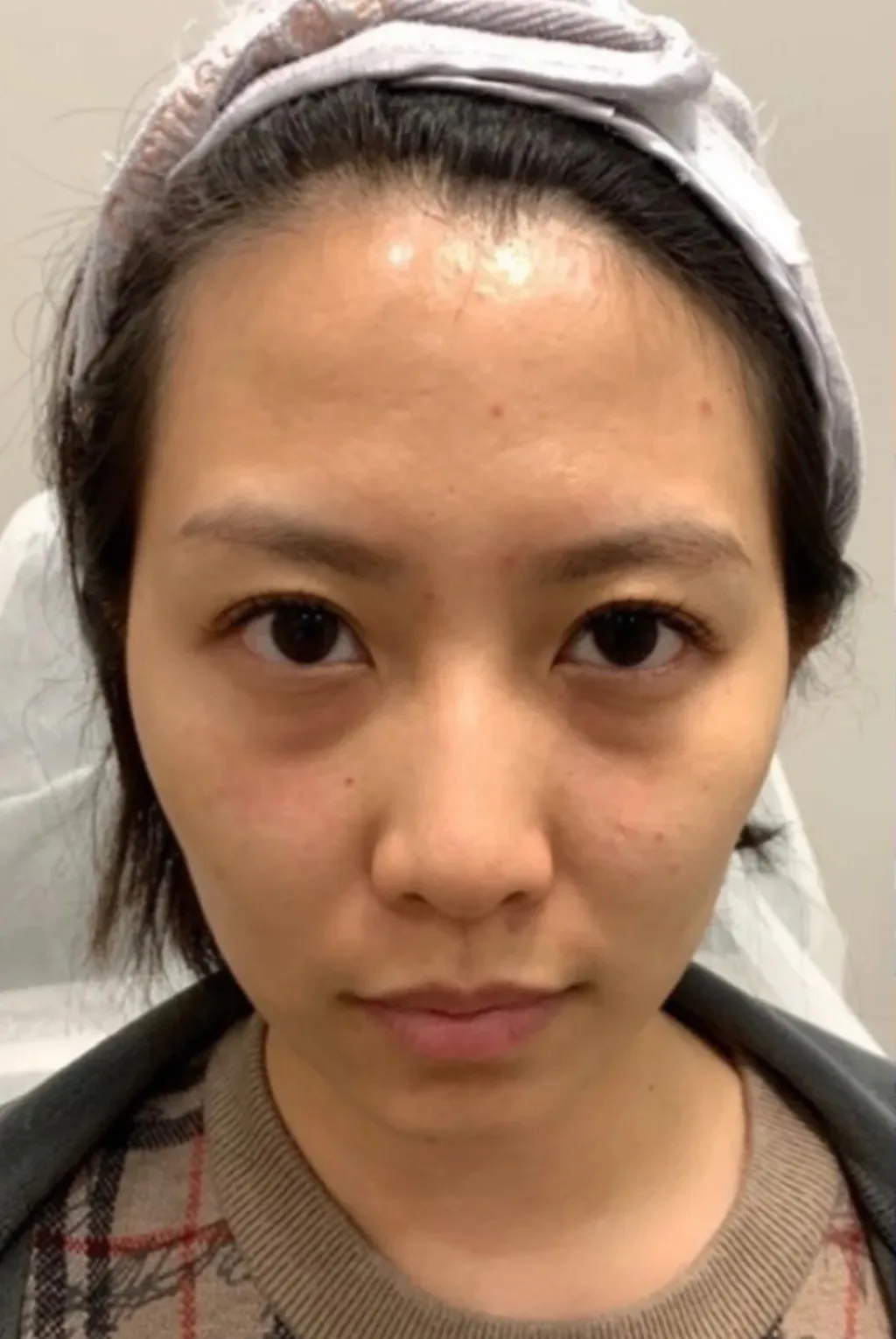
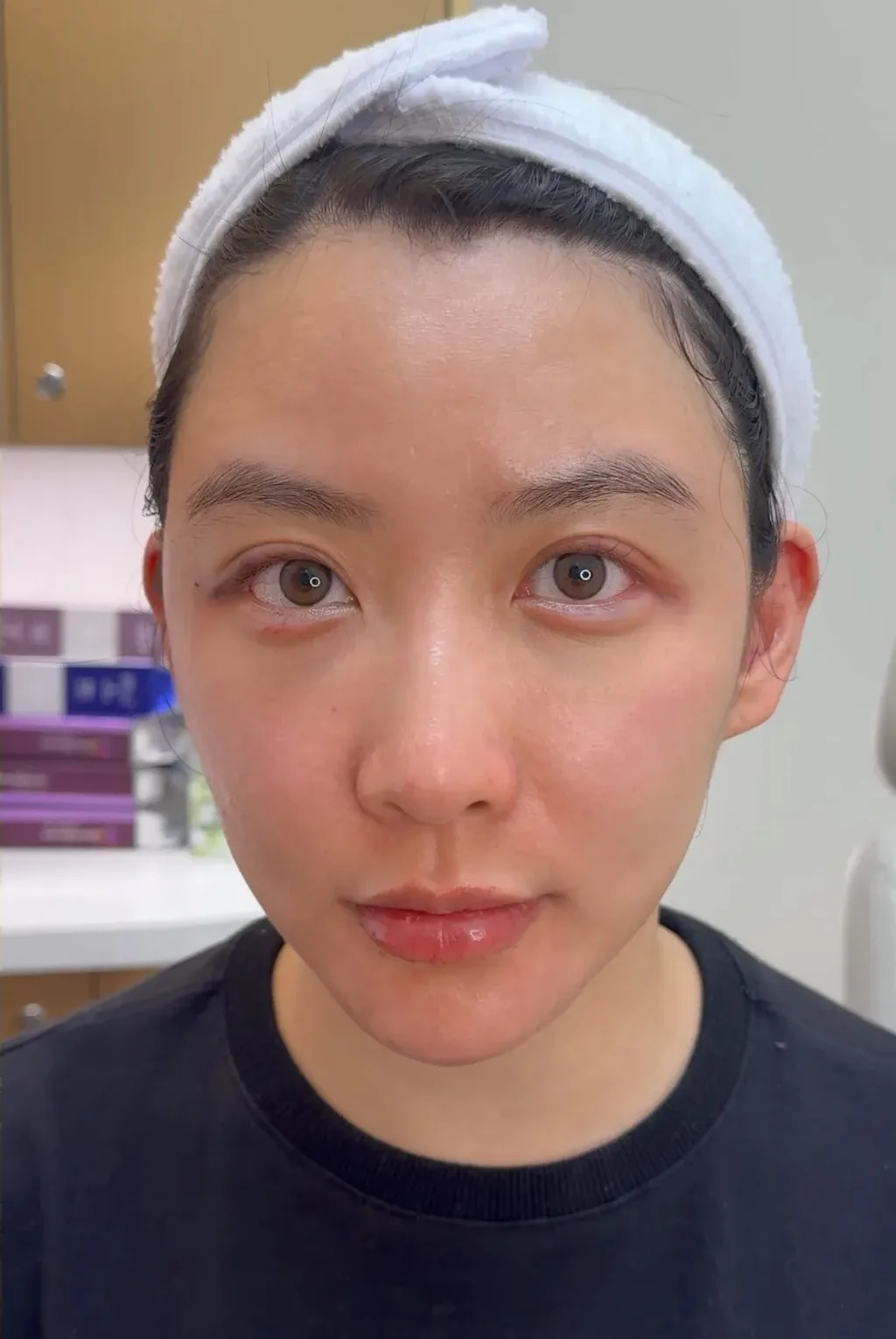
Case 4 · Skin Brightening: Real Clinical Record
- Client Profile
- Asian female · Fitzpatrick I · Concern duration: approximately 2–3 years
- Primary concern
- Skin Brightening (Comprehensive Multi-Modality Combination Protocol)
- Treatment plan
- Juvéderm® dermal filler + under-eye rejuvenation / brightening injections (multiple sessions within 3 months)
- Improvement outcomes
- Visible brightening improvement · Natural overall result
- PIH risk / rebound pigmentation
- No PIH
- Maintenance
- 6–12 month follow-up · top-up treatment as needed + at-home eye cream maintenance
Case 04: Skin Brightening — Before & After · Asian Female · Fitzpatrick I · Results Maintained ~2–3 Years · Multimodal Combination Protocol · Led by our physician at Luowei Medical Aesthetics Clinic, Nanjing
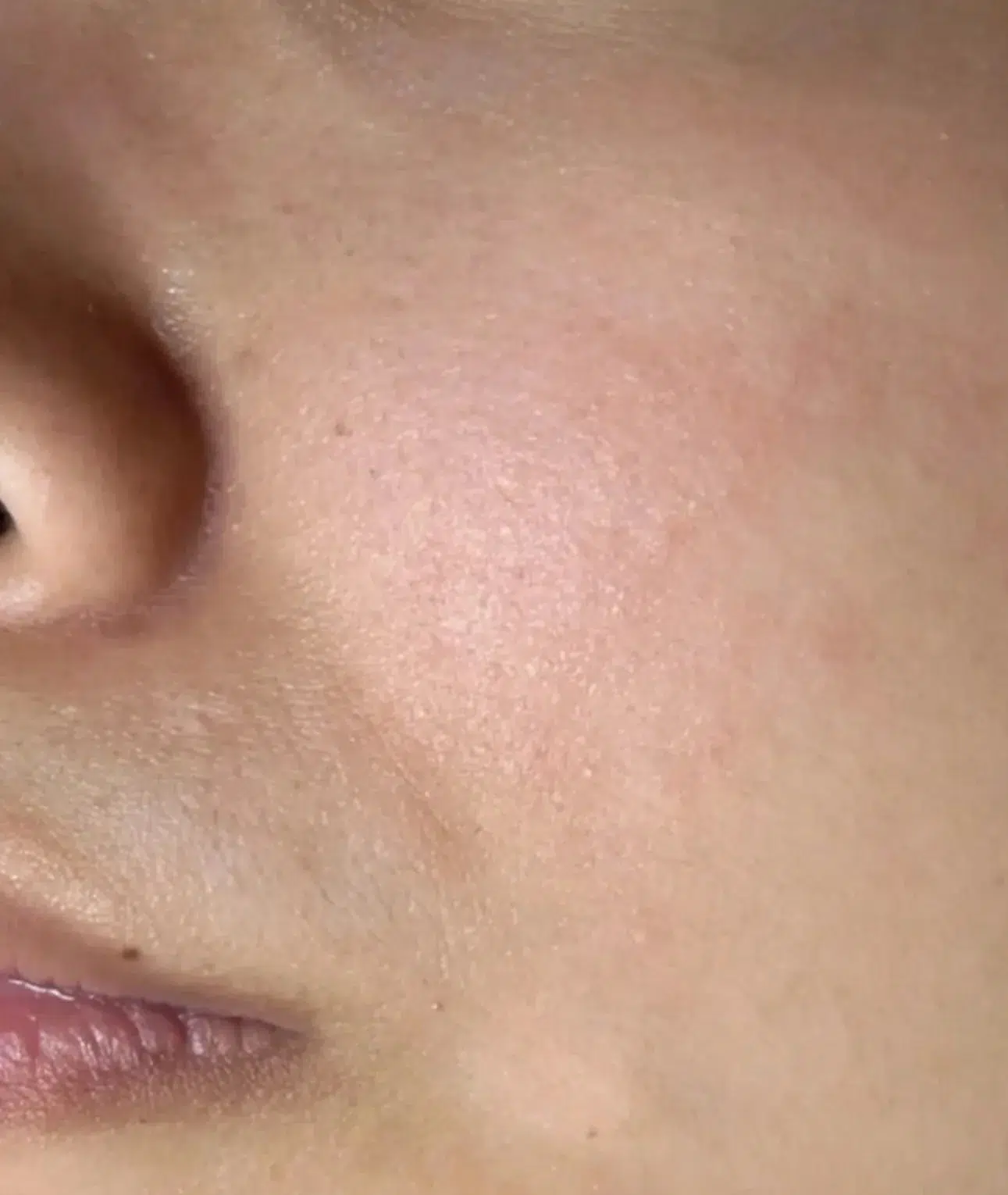
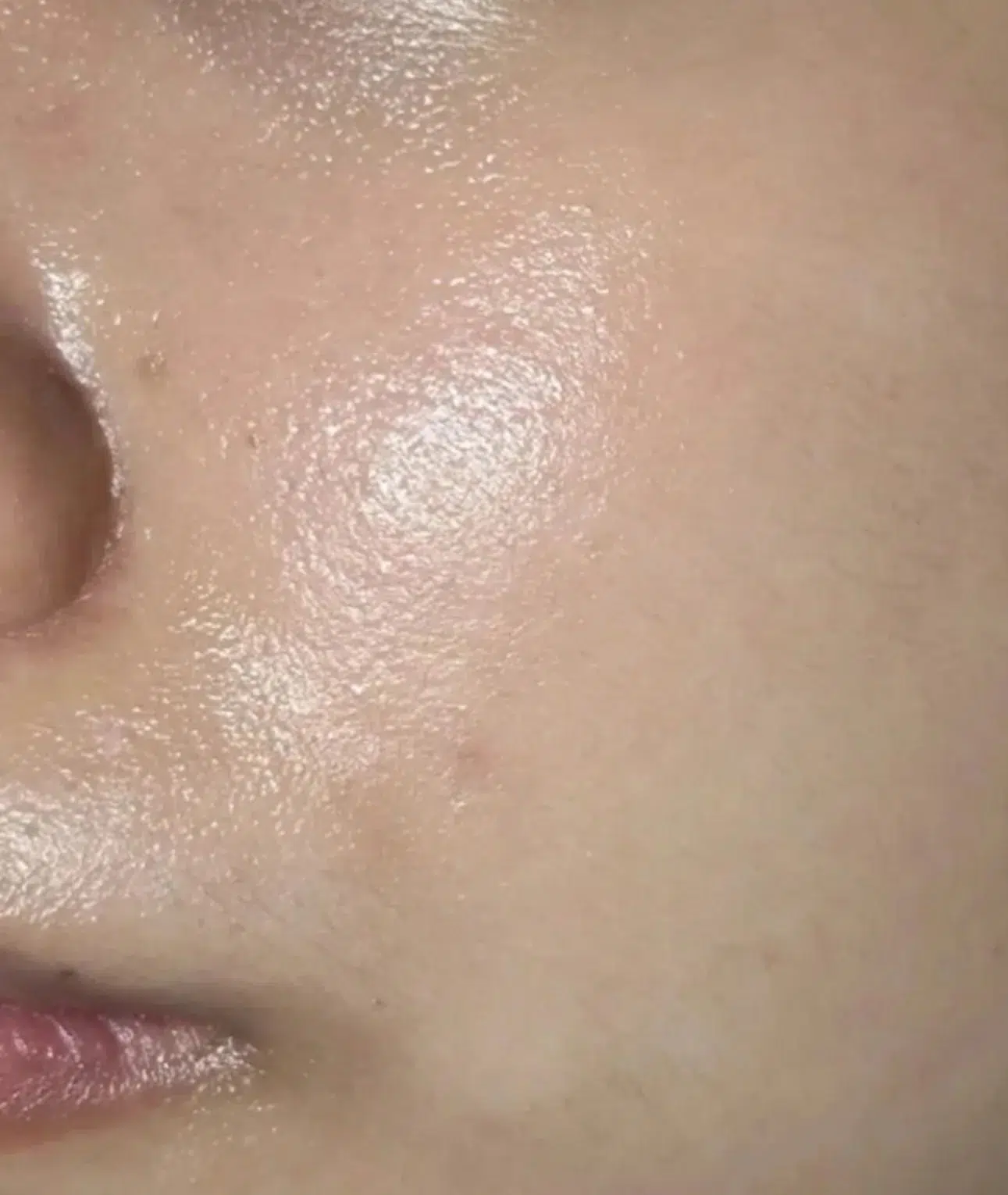
Case 4 · Skin Brightening: Real Clinical Record
- Client Profile
- Asian female · Fitzpatrick I
- Primary concern
- Skin Brightening (Comprehensive Multi-Modality Combination Protocol)
- Treatment plan
- Dual picosecond combination therapy + Pico® skin brightening + PicoSure® + AI BBL HEROIC™ photorejuvenation, and 6 additional modalities (multiple sessions within 3 months)
- Improvement outcomes
- Visible brightening improvement · Natural overall result
- PIH risk / rebound pigmentation
- No PIH
- Maintenance
- routine sun protection + monthly at-home care + quarterly clinical assessment
Case 04: Skin Brightening Before & After · Asian Female · Fitzpatrick I · Multimodal combination protocol led by our physician at Luowei Medical Aesthetics Clinic, Nanjing
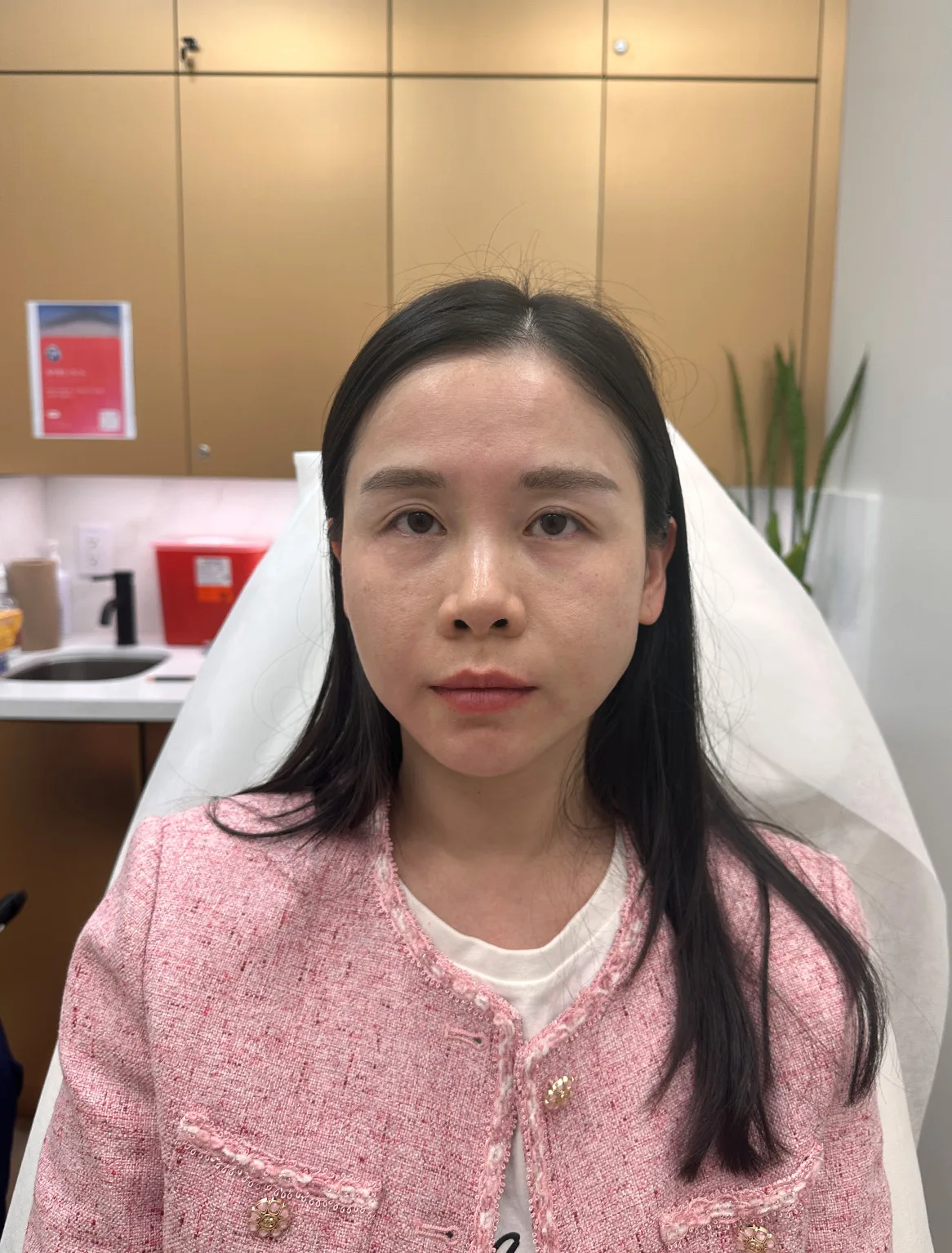
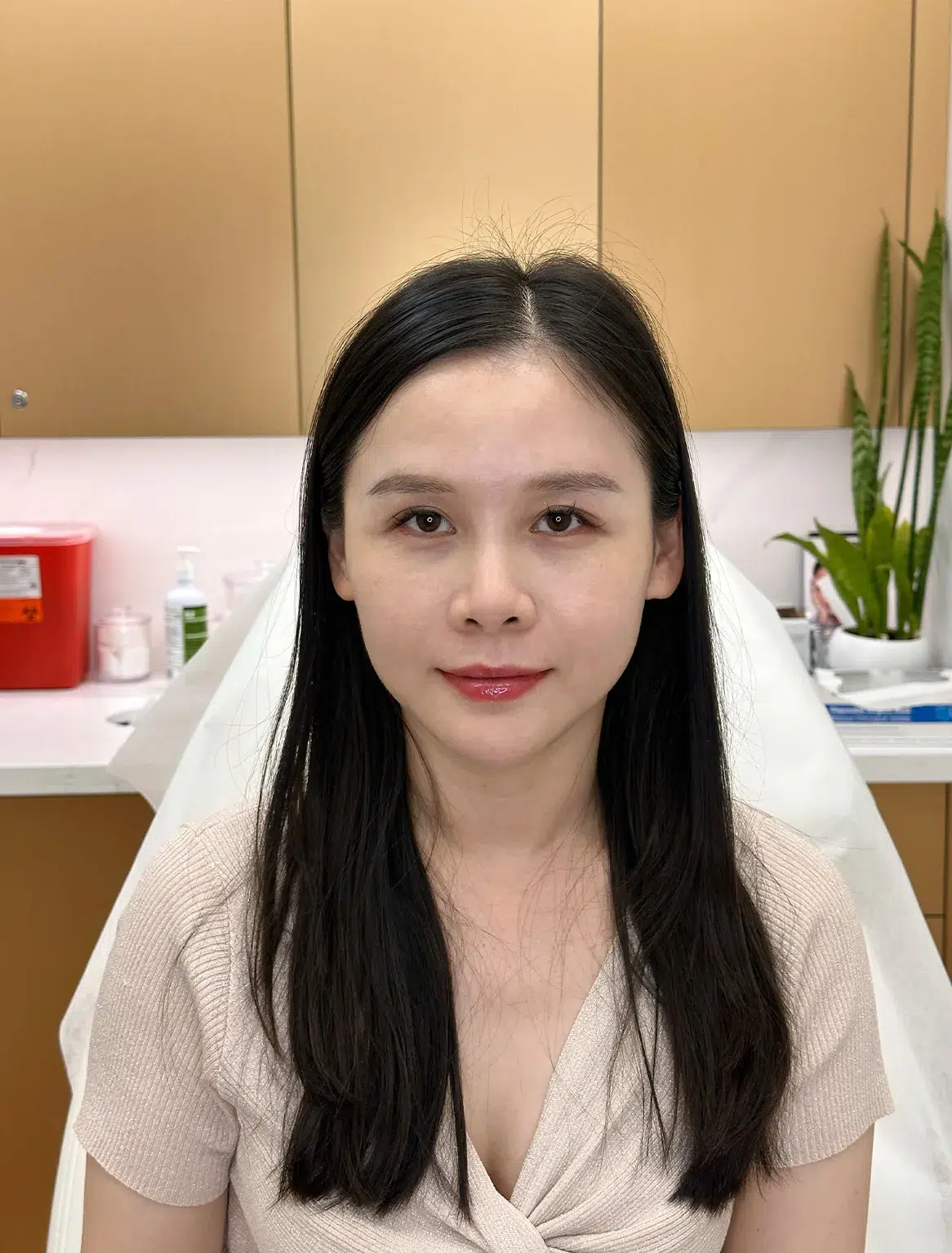
Case 9 · Skin Brightening — Real Clinical Record
- Client Profile
- Asian female · Fitzpatrick I · Concern duration: approximately 2–3 years
- Primary concern
- Skin Brightening (Comprehensive Multi-Modality Combination Protocol)
- Treatment plan
- Juvéderm® dermal filler + under-eye rejuvenation / brightening injections (multiple sessions within 3 months)
- Improvement outcomes
- Visible brightening improvement · Natural overall result
- PIH risk / rebound pigmentation
- No PIH
- Maintenance
- 6–12 month follow-up · top-up treatment as needed + at-home eye cream maintenance
Case 09: Skin Brightening Before & After · Asian Female · Fitzpatrick I · Ongoing approximately 2–3 years · Multimodal combination protocol led by our physician at Luowei Medical Aesthetics Clinic, Nanjing
What Is Skin Brightening? Is It Different from “Spot Removal”?
Skin Brightening refers to improving, through medical means,Overall skin luminosity, clarity, and tone evenness, not merely “removing a specific spot.” It addresses Overall melanin load, chronic inflammation, glycation-related sallowness, barrier integrity, and stratum corneum turnover across multiple dimensions, with the goal summed up in three words: luminous, clear, and even.
Brightening ≠ Spot Removal
Spot correction targets localized pigmented clusters(sun spots, freckles, melasma) — skin brightening addresses overall facial tone and clarity. They can coexist, and often present independently.
Brightening ≠ bleaching
Medical skin brightening is not about lightening your skin by several shades — it is about returning to your own naturally healthy complexion— what we call “the clearest, most refined version of your natural complexion.”
Why is demand so high among Asian women?
Fitzpatrick III–V — melanocytes that are inherently more reactive, combined with a cultural aesthetic preference for clear, even, luminous skin. Intense UV exposure in North America, along with dry indoor air conditioning, further accelerates dullness.
Why do skincare products alone have limited effect?
Most topical brightening actives can only reach Upper epidermis, unable to reach dermal metabolism or deep-seated pigmentation. A medical protocol combining laser / injectable / oral therapies creates Multi-dimensional synergy.
Clinical notes:Skin brightening is not a one-session fix — it is Assess why your skin appears dull— Is it high melanin load? Glycation? Compromised barrier? Sluggish metabolism? The first step in our physician’s protocol is always to identify the root cause — not simply to switch on a device.
5 Root Causes of Dull, Uneven Skin Tone
“A complexion that lacks radiance” is not a single problem — it is the cumulative clinical result of multiple overlapping mechanisms. Understanding those mechanisms is the only way to select the right approach.
1. excessive melanin load
Cumulative UV exposure combined with visible light exposure (blue light / red light) chronically activates melanocytes, leading to a diffuse increase in melanin across the entire face. Even without discrete spots forming, the overall complexion appears darker.
2. Sluggish stratum corneum turnover
28 day skin cell turnover cycle gradually lengthens after age 30. As dead skin cells accumulate, they cause diffuse light scattering, making the complexion appear dull, rough, and lacking radiance.
3. Glycation
A high-sugar diet and chronic inflammation cause advanced glycation end-products (AGEs) to accumulate in the dermis, producing a yellow-brown cast. This is one of the primary mechanisms behind the “increasing sallowness” many Asian women notice after age 35.
4. Poor microcirculation
Sleep deprivation, chronic stress, and insufficient physical activity reduce oxygen delivery through facial capillaries and alter the ratio of oxidized hemoglobin, resulting in a dull, grayish-ashen complexion — commonly seen in women with desk-based lifestyles.
5. Barrier impairment / chronic inflammation
Over-exfoliation with acids, inappropriate energy-based treatments, or reactive sensitive skin can push the skin into a state of chronic low-grade inflammation, causing melanocytes to compensate by upregulating activity — resulting in a combined presentation of dullness and diffuse redness.
4 Clinical conditions commonly confused with a skin brightening need — key differentiators
Skin brightening is a multifaceted concern, and clients often arrive with several distinct issues framed as one question. The table below outlines the 4 most common differentiating presentations seen in our physician’s clinical practice.
Dull Skin
Dull Skin · Overall lack of clarity
| Distribution | uniform full-face result |
|---|---|
| Morphology | no distinct spots; overall tone appears dull, grey, or sallow |
| Symmetry | symmetrical |
| Triggering factors | Sleep deprivation, glycation, slowed metabolism, and barrier impairment |
| first-line treatment | PicoSure Pro honeycomb lens + brightening mesotherapy + oral supplementation |
Uneven Skin Tone
Uneven Skin Tone
| Distribution | uneven tone across the cheeks / forehead |
|---|---|
| Morphology | patchy tonal unevenness |
| Symmetry | Not necessarily |
| Triggering factors | Cumulative sun exposure + focal pigmentation |
| first-line treatment | PicoSure Pro Full-face focus lens array |
Melasma
Melasma · Symmetrical patch-like pigmentation
| Distribution | Bilateral symmetry on cheeks / forehead |
|---|---|
| Morphology | brown patchy pigmentation |
| Symmetry | Highly symmetrical |
| Triggering factors | hormonal factors + UV exposure + genetics |
| first-line treatment | low-fluence fractionated specialist protocol |
PIH Post-inflammatory hyperpigmentation (PIH)
Post-Inflammatory Hyperpigmentation
| Distribution | Pre-existing acne marks / previously mistreated areas |
|---|---|
| Morphology | Irregular dark patches |
| Symmetry | asymmetry |
| Triggering factors | Acne / incorrect laser treatment / over-exfoliation with acids |
| first-line treatment | Barrier repair + ultra-low energy protocol |
⚠️ Warning:Many clients attribute all forms of “not being fair enough” to a need for brightening treatment — however, the underlying causes may include melasma, post-inflammatory hyperpigmentation (PIH), nevus of Ota, and other conditions requiring Entirely different protocols— a condition in a category of its own. Treating melasma as ordinary dullness with high-energy brightening protocols almost invariably leads to post-treatment rebound darkening.
Why Does Skin Brightening for Asian Skin Require a Fitzpatrick III–V Specialist Protocol?
Blind spots of mainstream North American clinics
Most MedSpa “brightening packages” in North America are built on clinical data derived from Fitzpatrick I–II (lighter) skin types. Applying those same parameters directly to Asian Fitzpatrick III–V skin frequently results in:
- ✗ Energy overload triggering post-inflammatory hyperpigmentation (PIH)— Epidermal melanin content 5–10× higher
- ✗ Focuses solely on “whiteness” while neglecting clarity and translucency— the core of Asian aesthetic ideals is luminosity, not lightness of shade
- ✗ overlooking glycation and microcirculation— A key mechanism behind sallowness in Asian women that is frequently overlooked
Our physician’s Fitzpatrick III–V Specialist Adjustments
| parameters | North American standard | Asian-specific adjustment |
|---|---|---|
| Energy fluence | elevated | Low-energy fractionated approach |
| honeycomb lens | selection of | Standard first-line choice |
| Interval | 3 weeks | 4–6 weeks |
| mesotherapy support | Use sparingly | Routine adjunct |
| Pre-treatment conditioning | None | 4 weeks of barrier repair |
Key differentiators:Our physician has spent 8 years focused exclusively on Asian faces at our Nanjing clinic, with over 90% of clients presenting with Fitzpatrick III–V skin types.
6 Skin Brightening Treatment Approaches — Matched to Underlying Cause
There is no single device that addresses every cause of dull skin. We combine the technologies and therapies below based on VISIA quantitative findings and the underlying cause of each client’s concern.
PicoSure Pro Focus Lens Array (picosecond)
755nm Short-pulse picosecond energy delivered through a focus lens array creates laser-induced optical breakdown (LIOB) micro-vacuoles in the epidermis, stimulating collagen and clearing melanin — the Gold-standard devices.
Brightening mesotherapy (glutathione + tranexamic acid)
Targeted intradermal microinjections that work from within — inhibiting tyrosinase activity, providing antioxidant support, and reducing inflammation. Used synergistically between laser sessions, this approach meaningfully accelerates overall brightening.
Fotona ClearLift / ClearGlow
1064nm Long-wavelength, ultra-low energy settings — gentle brightening combined with targeted treatment of deeper pigmentation and microvasculature, suitable for Sensitive skin / compromised barrier the starting point for clients.
Hydrafacial HydraFacial®
Simultaneous cleansing + resurfacing + active infusion to improve stratum corneum turnover efficiency — serving as Transition / maintenance checkpoint highly practical.
Chemical peel (lactic acid / multi-acid superficial peel)
Promotes epidermal cell turnover, accelerates pigment shedding, and improves glycation-related sallowness. Careful patient selection is essential to avoid inducing PIH.
Brightening IV drip (IV glutathione + vitamin C)
Systemic antioxidant support combined with melanogenesis inhibition — well suited for longer treatment cycles and long-term maintenance. Not used as a standalone primary treatment, but delivers meaningful results as an adjunct.
Our physician’s 6-Step Skin Brightening Protocol
Consultation + VISIA quantitative analysis
30 minute free consultation, including VISIA eight-parameter quantitative analysis (brown spots / red areas / UV spots / porphyrins, and more), Wood’s lamp assessment to differentiate pigment depth, and Glogau aging classification.Identify the cause first, then discuss the plan.
4 weeks of pre-treatment preparation (barrier repair + brightening priming)
Simplified skincare + topical Cyspera / niacinamide + strict physical SPF 50+ (with iron oxides). This step significantly reduces the risk of post-inflammatory hyperpigmentation (PIH) during the treatment course.
Test spot(test spot)
Small test area below the cheekbone; observe response over 7–10 days.An essential step for Asian skin types, to prevent unexpected reactions during the first full-face treatment.
Active treatment phase (4–6 sessions, once every 4–6 weeks)
PicoSure Pro PicoSure Pro honeycomb lens and brightening mesotherapy are alternated in sequence, with energy settings and treatment combinations dynamically adjusted based on repeat VISIA assessments. Immediate cold compresses and barrier-repairing skincare are applied after every session.
Evaluation phase (8 weeks after completing the active treatment phase)
VISIA Re-assessment with VISIA and clinical photo comparison to determine whether to transition into a maintenance phase or add targeted treatment for residual concerns (e.g., focused spot correction).
Maintenance phase (once every 8–12 weeks, ongoing)
Low-frequency maintenance sessions + topical maintenance + strict sun protection + oral antioxidant support. Skin brightening is not a “treat once and stay bright forever” outcome — it is long-term management of melanin load and metabolic efficiency.
Treatment Timeline — How Soon Can You See Results?
| Type | Primary treatment course | initial results visible | Significant improvement | Maintenance interval |
|---|---|---|---|---|
| diffuse dullness type | 4–6 sessions | After the 2nd session | After the 4th session | Every 8–12 weeks |
| combined pigmentation type | 6–8 sessions | after session 3 | After the 6th session | Every 6–10 weeks |
| Barrier-compromised type | 4–6 sessions (barrier repair first) | After the 2nd session | After the 4th session | Every 10–12 weeks |
| Glycation-related sallowness type | 6–10 sessions | after session 3 | after sessions 6–8 | every 8–10 weeks + dietary support |
Clinical Note:Skin brightening follows a cumulative curve — not a single dramatic step. Committing to a structured 2–3 month protocol, combined with diligent sun protection and a simplified skincare routine, allows the vast majority of clients to see results that exceed their initial expectations. Rushing for an instant “whitening fix” in one session is, more often than not, the beginning of disappointment.
Are You a Candidate for Skin Brightening? 2-Minute Self-Assessment
✅ Appropriate to begin assessment
- ✓Overall dullness, sallowness, and lack of clarity in skin tone
- ✓Noticeably duller complexion compared to peers of the same age
- ✓Skincare brightening effects remain at the surface level
- ✓Plan 3–6 months ahead for weddings or other milestone events
- ✓Committed to a structured protocol of 4–10 sessions
- ✓the concept of committing to long-term maintenance treatment
❌ Treatment should be deferred or other concerns addressed first
- ✗Currently pregnant or breastfeeding
- ✗Sun exposure / sunburn within the past 4 weeks that has not fully healed
- ✗Active facial eczema / dermatitis / severe acne flare
- ✗use of photosensitizing medications (isotretinoin within the past 6 months)
- ✗the misconception of achieving full brightening in a single session
- ✗severe keloid tendency that has not been assessed
Luowei Medical Brightening Protocol vs. Standard MedSpa
- ✗offering a single “brightening package” to every client
- ✗without distinguishing the cause of dullness (pigmentation / glycation / barrier)
- ✗applying energy parameters designed for lighter North American skin types without adjustment
- ✗No VISIA quantitative tracking — assessment based on subjective impression alone
- ✗Performed by RMT / Aesthetician; no physician consultation
- ✗No barrier repair pre-treatment phase
- ✗No maintenance plan — treat and send the client on their way
- ✓Essential diagnostic trio: VISIA + Wood’s lamp + Glogau assessment
- ✓4 Multi-dimensional classification (pigmentation / glycation / barrier integrity / microcirculation)
- ✓VISIA Quantitative comparison to track results at every session
- ✓Assessed and performed in-person by our physician
- ✓4 weeks of barrier repair pre-treatment + test spot
- ✓complete 6-phase process including long-term maintenance
Why trust Luowei Medical Aesthetics Clinic for skin brightening?
Experience experience
Expertise Specialty
Authoritativeness Authoritative
Trustworthiness Credible
All cases on this page shared with written Media Release Form authorization · Clinical data available upon request
About the Cost of Skin Brightening Treatment
Pricing for skin brightening varies considerably across clinics — but the real difference has never been about the devices themselves. It comes down to who performs the assessment, who determines the treatment pace, and how deeply clinical expertise is applied. Skin brightening may sound like a single service, but in practice it is Comprehensive management of multiple overlapping mechanisms: Some clients have sluggish skin metabolism; others deal with glycation, a compromised skin barrier, or cumulative pigment burden. Complex, sensitive, or repair-focused cases involve our physician directly in assessment and treatment planning — the pricing reflects that level of physician involvement. For clients who are already in a stable phase and receiving routine maintenance, our trained clinical team can safely carry out the physician-designed protocol, making that tier more accessible. The price difference in laser treatments fundamentally comes down to the clinical experience gap between physician-performed and technician-performed procedures. For all injectable treatments, we maintain the standard that they are performed by a physicianThe right protocol for you is determined by your skin condition — not by price point. The specific plan will be discussed at your consultation, based on VISIA assessment findings and cause-based skin typing.
- Payment is made at the clinic, after the consultation and before treatment begins
- Nothing is paid in advance, and no deposit is required to hold an appointment
- Cosmetic treatment is a self-pay item and is not covered by public medical insurance in China
- All new clients receive a complimentary 30-minute Free Consultation & Assessment
Risks & Contraindications — What You Need to Know
What are the main risks?
1. PIH Post-treatment rebound darkening(moderate risk for Asian skin types) — significantly reduced with low-fluence fractionated delivery + test spot + 4-week pre-treatment protocol; 2. Temporary redness / dryness and flaking (common, resolves in 1–5 days); 3. Mild stinging sensation during treatment (tolerable; cold compresses available); 4. Rare blistering / crusting (uncommon when protocol is appropriate); 5. Brightening results may plateau — a structured maintenance plan is recommended.
Who is not a suitable candidate for skin brightening treatments?
Pregnancy, breastfeeding, oral isotretinoin use within the past 6 months, unresolved sunburn within the past 4 weeks, active facial inflammation, unassessed severe keloid tendency, photosensitive conditions, and unrealistic expectations (such as expecting to lighten several shades in a single session) — in any of these situations, our physician will advise postponing treatment or addressing the underlying concern first.
How is PIH risk minimized during treatment?
5 Key Safety Principles: (1) A test spot is mandatory; (2) Start at the lower end of the energy range and titrate upward gradually; (3) Allow a minimum of 4 weeks between sessions; (4) Use physical SPF 50+ (with iron oxide) strictly for 4 weeks before and after each treatment; (5) Apply cold compresses and barrier-supportive skincare immediately post-treatment — book a follow-up if redness persists beyond 7 days.
What Does the Informed Consent Form Include?
Every client is required to sign an informed consent form before their first treatment. This document covers: the treatment mechanism, possible adverse reactions and their likelihood, alternative options, criteria for pausing treatment, follow-up arrangements, and a Media Release (optional). All content is explained in person by our physician — not delegated to administrative staff.
Where the medical claims on this page come from
Everything above about Skin Brightening rests on published evidence rather than on our own word. The sources below are the ones behind those statements: peer-reviewed papers indexed in PubMed, and guidance written for patients by dermatology academies and national health services. Read them before you decide — and bring any of them to your consultation.
- Peer-reviewedGuidelines of care for the management of acne vulgaris
- Peer-reviewedPostinflammatory hyperpigmentation: A comprehensive overview: Epidemiology, pathogenesis, clinical presentation, and noninvasive assessment technique
- Peer-reviewedMelasma Treatment: An Evidence-Based Review
- Peer-reviewedChemical peels for darker skin types
- Patient guidanceAcne: Tips for managing
- Patient guidanceMelasma: Treatment
What these references can and cannot tell you. They describe what is known about the treatment itself — how well it tends to work, how long results last, and what can go wrong. They are not an assessment of this clinic, and no published study can tell you whether it suits your skin type, anatomy, or medical history. That judgement comes from the physician who examines you in person, and it may well be “not this one”.