Sun Damage / Photoaging
Sun damage and photoaging refer to skin that has been chronically exposed to Ultraviolet (UVA + UVB) + visible light + infrared cumulative damage caused by Structural + pigmentary + vascular damage.
Real sun damage / photoaging cases by our physician
The following four cases were treated personally by our physician at our Nanjing clinic, with signed Media Release authorization. Photoaging is a cumulative, multi-dimensional skin damage process; clinical presentation varies significantly by skin type, age, and cumulative sun exposure. Actual results are subject to in-person consultation.
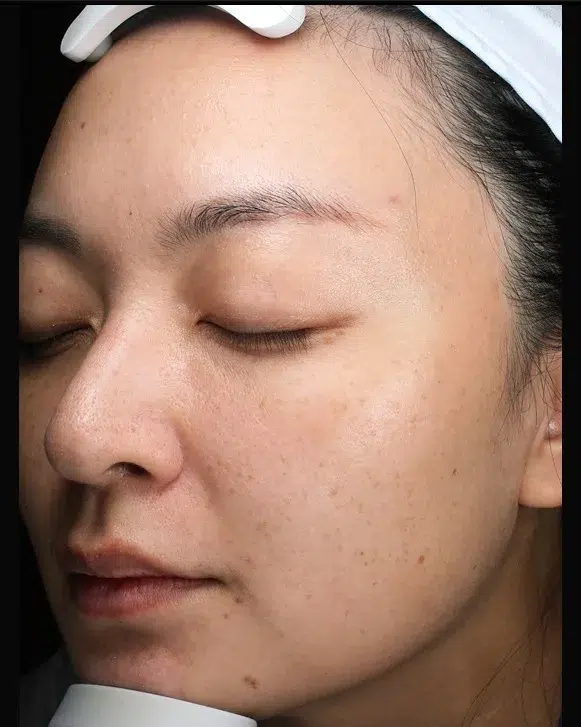
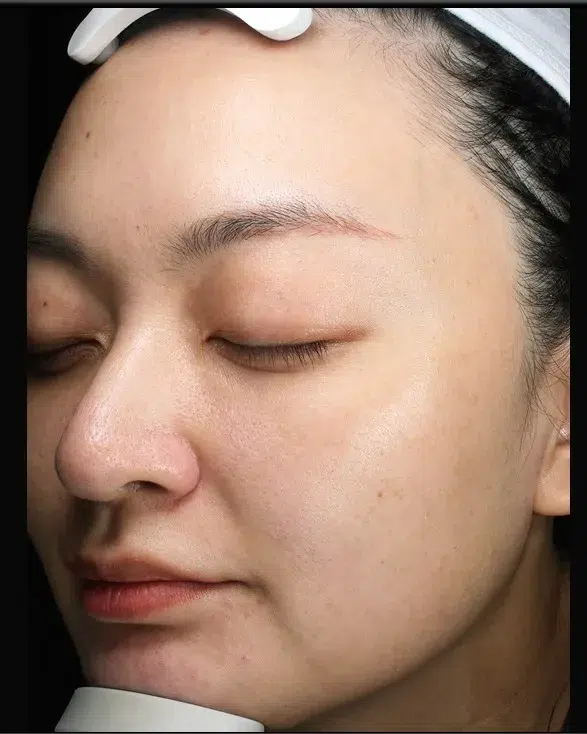
Case 4 · Sun Damage / Photoaging Real Record
- Client Profile
- Asian Female · Fitzpatrick IV · Long-Term Duration
- Concerns
- Sun Damage / Photoaging (Comprehensive Improvement via Multimodal Combination Plan)
- Treatment plan
- PicoSure® + PicoSure Pro® + PicoWay® (1–2 sessions)
- Improvement
- Significant improvement in sun damage / photoaging · Natural overall result
- PIH
- No PIH
- Maintenance
- Routine sun protection + monthly home care + quarterly assessment
Case 04: Sun Damage / Photoaging Before Comparison · Asian Female · Fitzpatrick IV · Long-Term Duration · Multimodal Combination Plan led by our physician at Luowei Medical Aesthetics Clinic, Nanjing
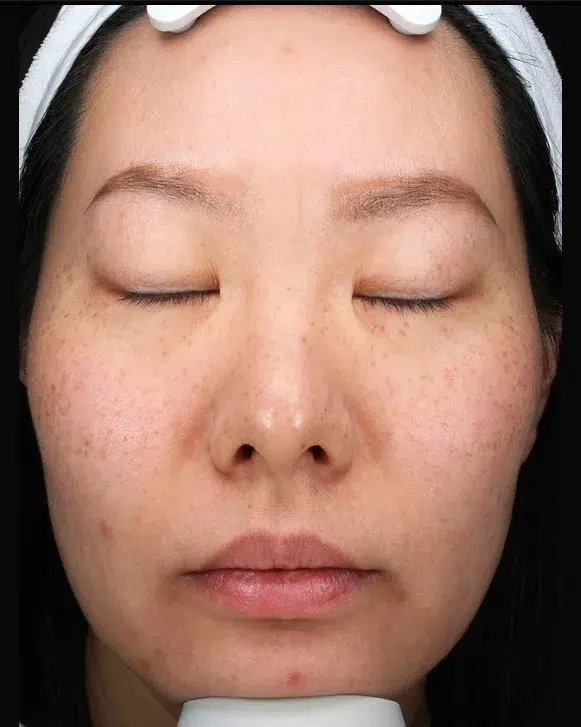
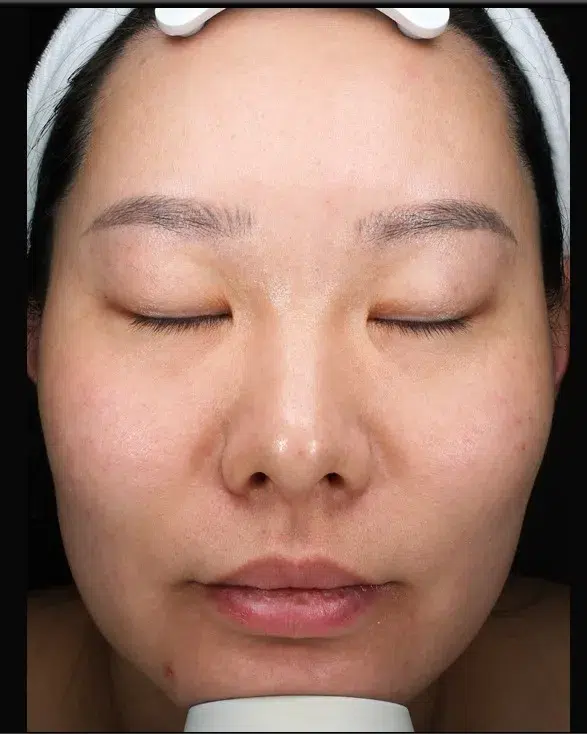
Case 5 · Real sun damage / photoaging record
- Client Profile
- Asian Female · Fitzpatrick IV · Long-Term Duration
- Concerns
- Sun Damage / Photoaging (Comprehensive Improvement via Multimodal Combination Plan)
- Treatment plan
- PicoSure® + PicoSure Pro® + PicoWay® (1–2 sessions)
- Improvement
- Significant improvement in sun damage / photoaging · Natural overall result
- PIH
- No PIH
- Maintenance
- Routine sun protection + monthly home care + quarterly assessment
Case 05: Sun Damage / Photoaging Before-Treatment Comparison · Asian female · Fitzpatrick IV · Long-term duration · Multi-modal combination protocol led by our physician at Luowei Medical Aesthetics Clinic, Nanjing
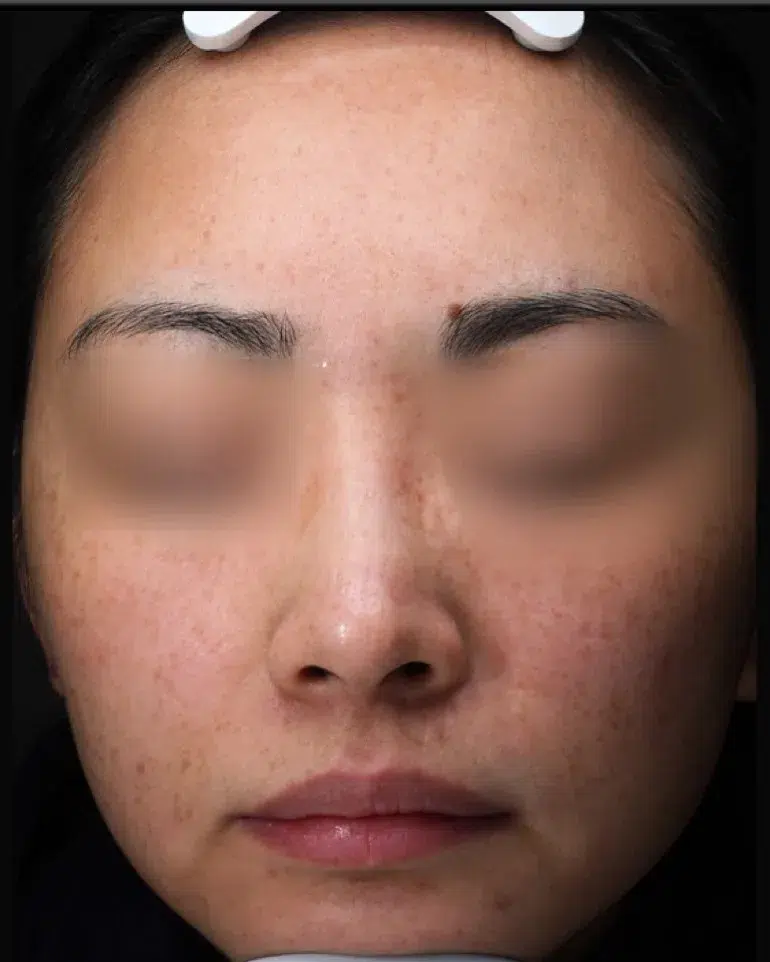
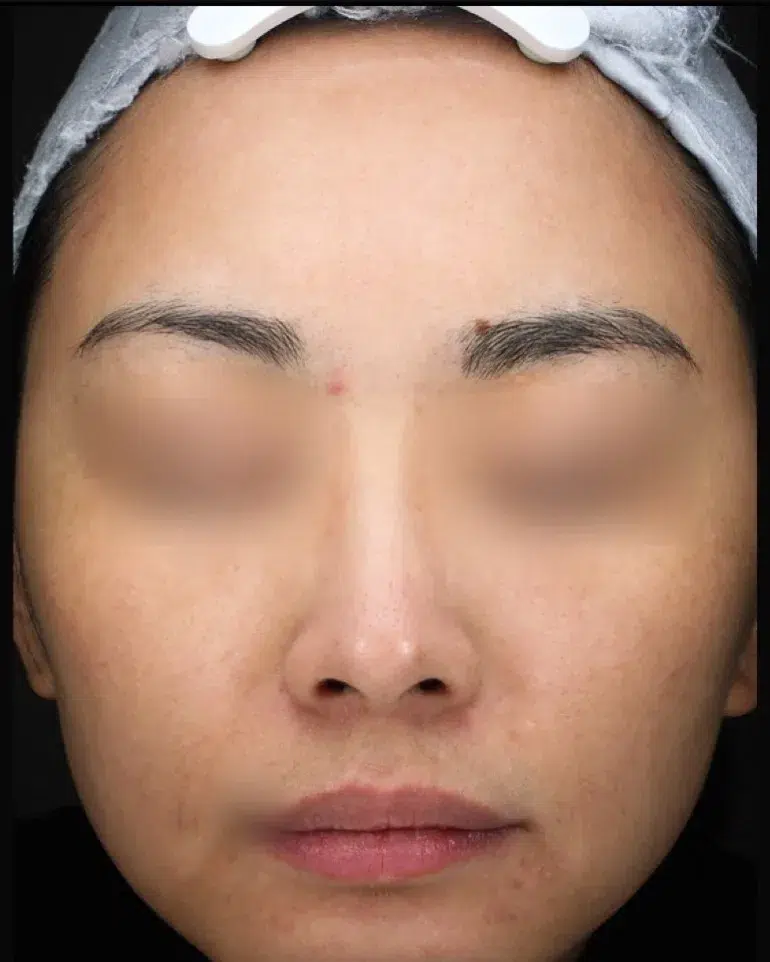
Case 7 · Real Sun Damage / Photoaging Record
- Client Profile
- Asian Female · Fitzpatrick IV · Long-Term Duration
- Concerns
- Sun Damage / Photoaging (Comprehensive Improvement via Multimodal Combination Plan)
- Treatment plan
- PicoSure® + PicoSure Pro® + PicoWay® + Vbeam Perfecta and 5 modalities (1–2 sessions)
- Improvement
- Significant improvement in sun damage / photoaging · Natural overall result
- PIH
- No PIH
- Maintenance
- Routine sun protection + monthly home care + quarterly assessment
Case 07: Sun Damage / Photoaging before comparison · Asian female · Fitzpatrick IV · Long-term duration · Multimodal combination protocol led by our physician at Luowei Medical Aesthetics Clinic, Nanjing
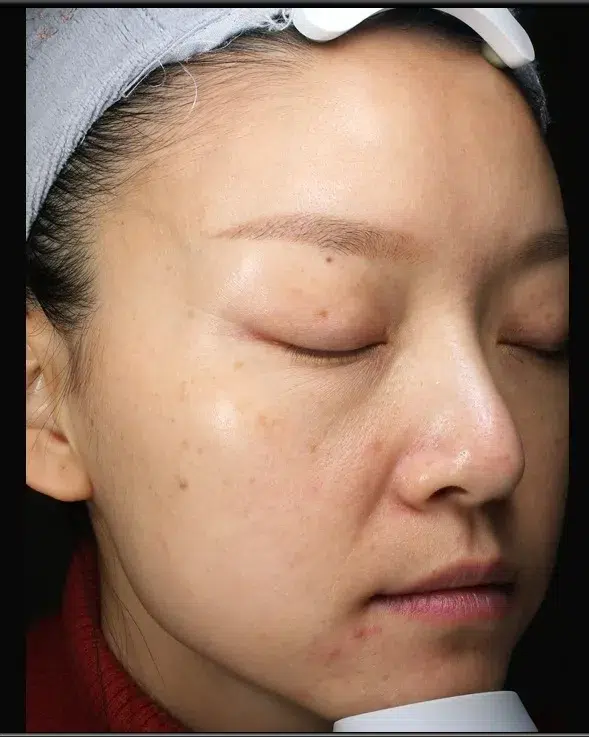
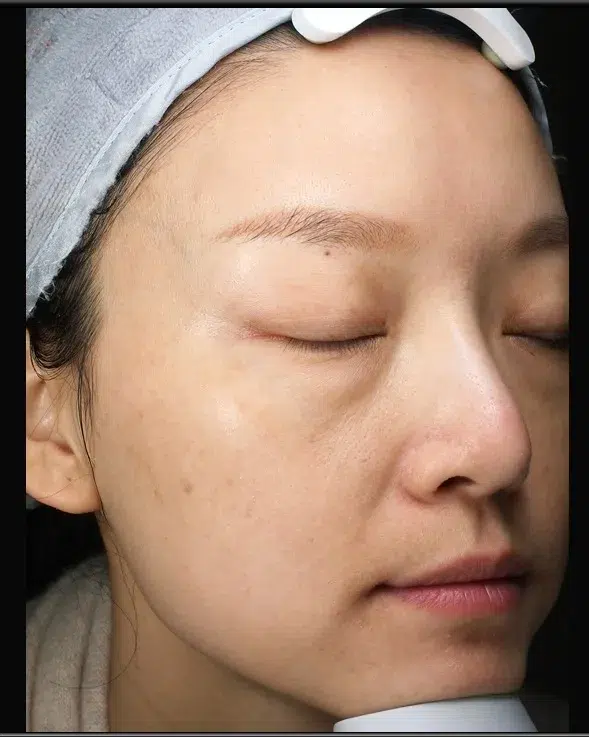
Case 9 · Sun Damage / Photoaging Real Record
- Client Profile
- Asian female · Fitzpatrick IV
- Concerns
- Sun Damage / Photoaging (Comprehensive Improvement via Multimodal Combination Plan)
- Treatment plan
- Dual-pico combination + PicoSure® + PicoSure Pro® + PicoWay® and 5 modalities (multiple sessions within 3 months)
- Improvement
- Significant improvement in sun damage / photoaging · Natural overall result
- PIH
- No PIH
- Maintenance
- Routine sun protection + monthly home care + quarterly assessment
Case 09: Sun Damage / Photoaging Before Comparison · Asian Female · Fitzpatrick IV · Multimodal Combination Plan led by our physician at Luowei Medical Aesthetics Clinic, Nanjing
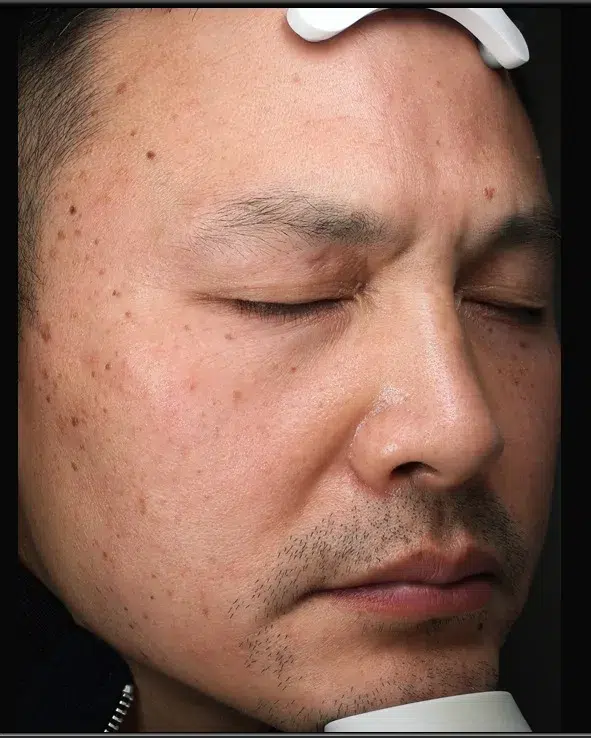
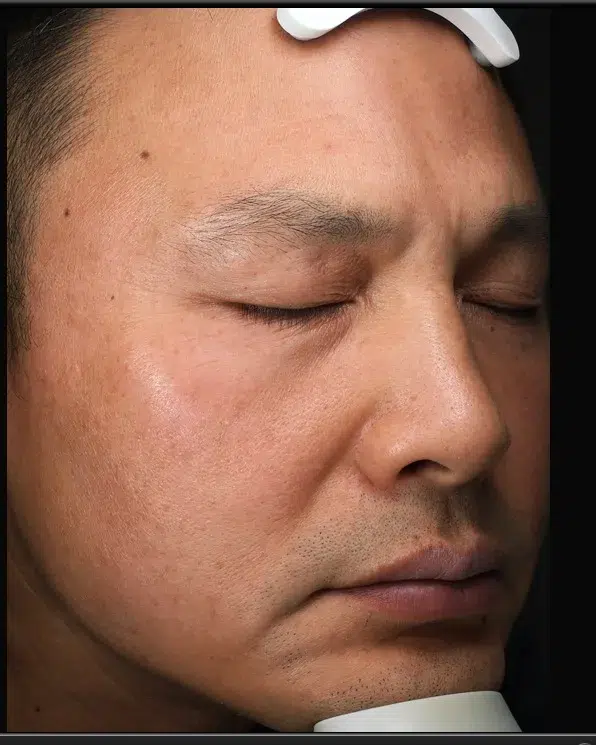
Case 9 · Sun Damage / Photoaging Real Record
- Client Profile
- Asian male · Fitzpatrick IV · Long-term duration
- Concerns
- Sun Damage / Photoaging (Comprehensive Improvement via Multimodal Combination Plan)
- Treatment plan
- Dual Picosecond Combination Therapy + Pico® Brightening & Rejuvenation + PicoSure® + PicoSure Pro® and 6 other treatments (multiple sessions within 3 months)
- Improvement
- Significant improvement in sun damage / photoaging · Natural overall result
- PIH
- No PIH
- Maintenance
- Annual follow-up + long-term SPF 50 · re-treatment as needed
Case 09: Sun Damage / Photoaging Before Comparison · Asian Male · Fitzpatrick IV · Long-Term Duration · Multimodal Combination Plan led by our physician at Luowei Medical Aesthetics Clinic, Nanjing
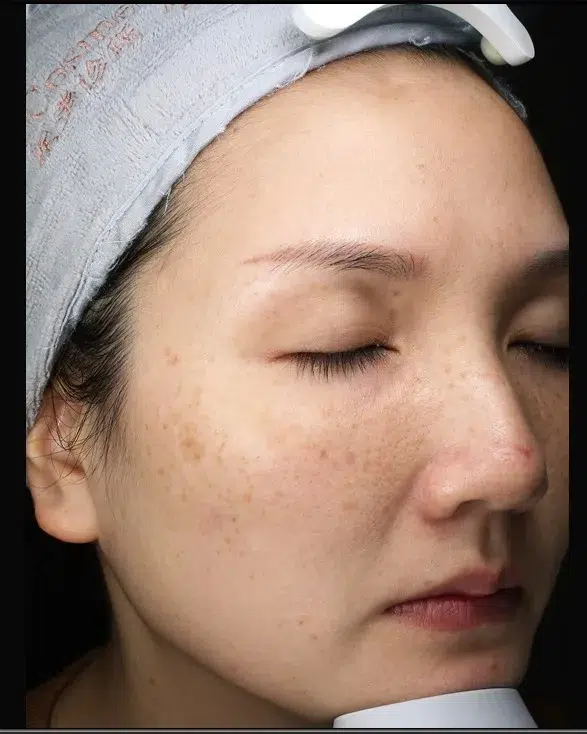
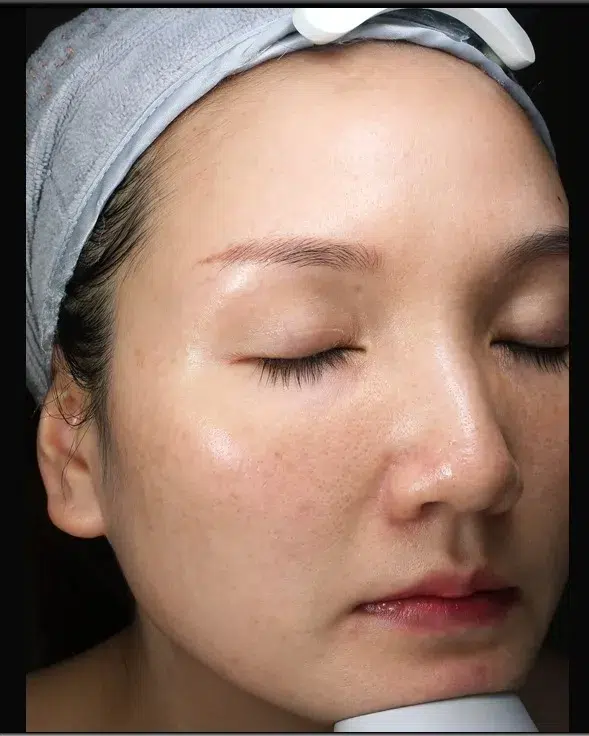
Case 17 · Real sun damage / photoaging record
- Client Profile
- Asian Female · Fitzpatrick IV · Long-Term Duration
- Concerns
- Sun Damage / Photoaging (Comprehensive Improvement via Multimodal Combination Plan)
- Treatment plan
- Dual Picosecond Combination Therapy + PicoSure® + PicoSure Pro® + PicoWay® (1–2 sessions)
- Improvement
- Significant improvement in sun damage / photoaging · Natural overall result
- PIH
- No PIH
- Maintenance
- Routine sun protection + monthly home care + quarterly assessment
Case 17: Sun Damage / Photoaging Before-Treatment Comparison · Asian female · Fitzpatrick IV · Long-term duration · Multi-modal combination protocol led by our physician at Luowei Medical Aesthetics Clinic, Nanjing
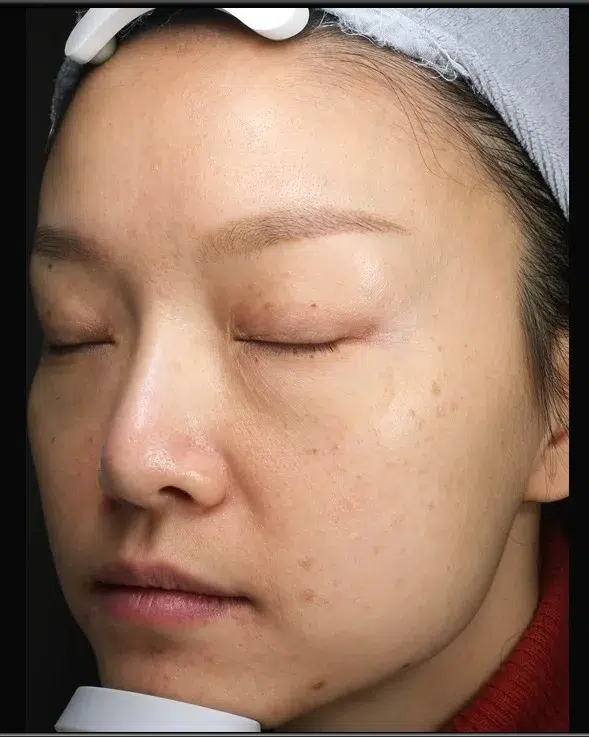
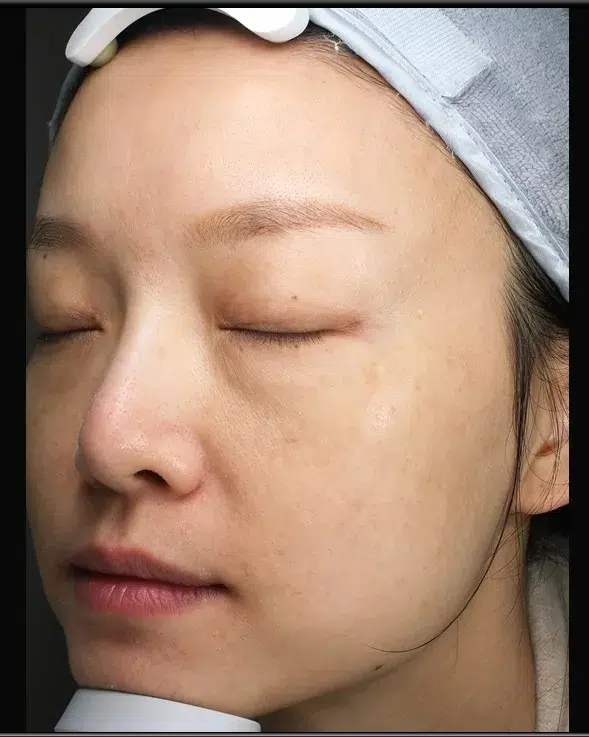
Case 19 · Real Sun Damage / Photoaging Record
- Client Profile
- Asian Female · Fitzpatrick IV · Long-Term Duration
- Concerns
- Sun Damage / Photoaging (Comprehensive Improvement via Multimodal Combination Plan)
- Treatment plan
- Dual Picosecond Combination Therapy + PicoSure® + PicoSure Pro® + PicoWay® (1–2 sessions)
- Improvement
- Significant improvement in sun damage / photoaging · Natural overall result
- PIH
- No PIH
- Maintenance
- Routine sun protection + monthly home care + quarterly assessment
Case 19: Sun Damage / Photoaging before comparison · Asian female · Fitzpatrick IV · Long-term duration · Multimodal combination protocol led by our physician at Luowei Medical Aesthetics Clinic, Nanjing
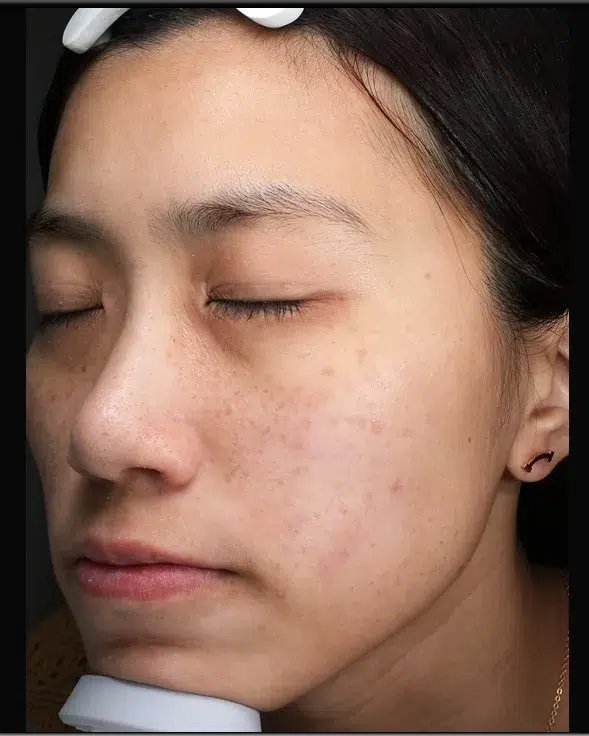
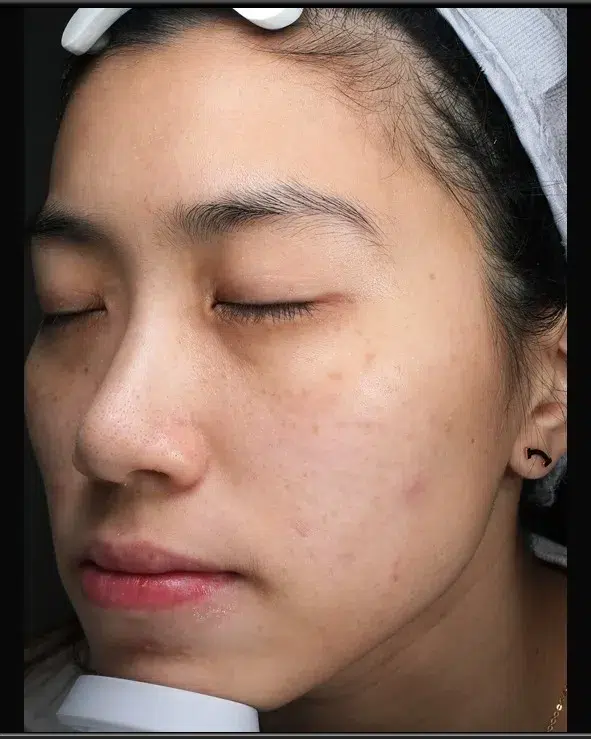
Case 20 · Sun Damage / Photoaging Real Record
- Client Profile
- Asian Female · Fitzpatrick IV · Long-Term Duration
- Concerns
- Sun Damage / Photoaging (Comprehensive Improvement via Multimodal Combination Plan)
- Treatment plan
- Dual Picosecond Combination Therapy + PicoSure® + PicoSure Pro® + PicoWay® (1–2 sessions)
- Improvement
- Significant improvement in sun damage / photoaging · Natural overall result
- PIH
- No PIH
- Maintenance
- Routine sun protection + monthly home care + quarterly assessment
Case 20: Sun Damage / Photoaging Before Comparison · Asian Female · Fitzpatrick IV · Long-Term Duration · Multimodal Combination Plan led by our physician at Luowei Medical Aesthetics Clinic, Nanjing
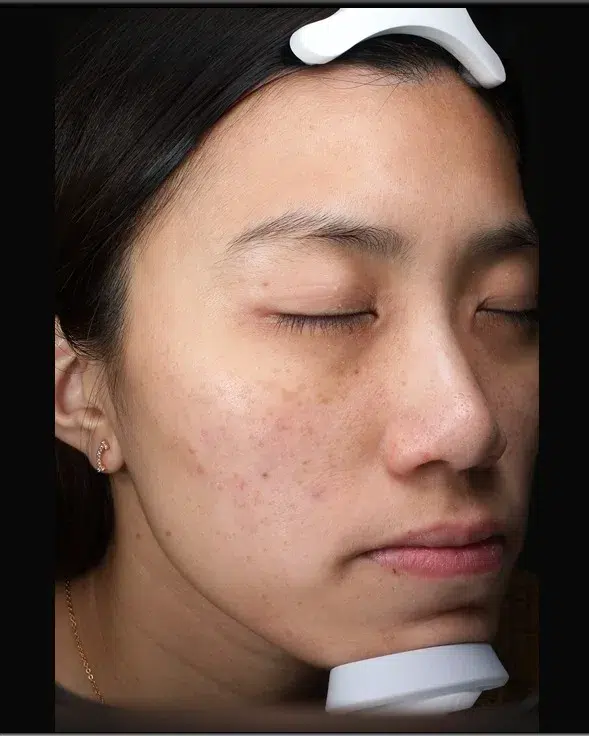
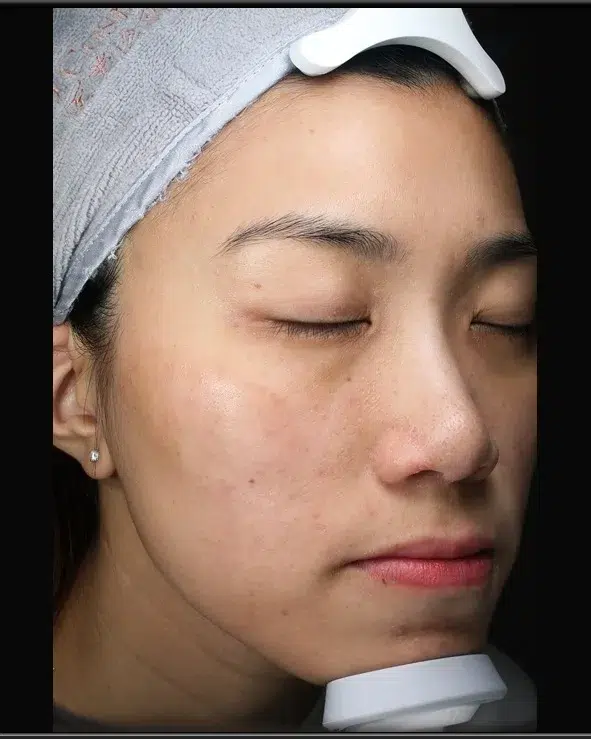
Case 21 · Real sun damage / photoaging record
- Client Profile
- Asian Female · Fitzpatrick IV · Long-Term Duration
- Concerns
- Sun Damage / Photoaging (Comprehensive Improvement via Multimodal Combination Plan)
- Treatment plan
- Dual Picosecond Combination Therapy + PicoSure® + PicoSure Pro® + PicoWay® and 7 other modalities (1–2 sessions)
- Improvement
- Significant improvement in sun damage / photoaging · Natural overall result
- PIH
- No PIH
- Maintenance
- Routine sun protection + monthly home care + quarterly assessment
Case 21: Sun Damage / Photoaging Before-Treatment Comparison · Asian female · Fitzpatrick IV · Long-term duration · Multi-modal combination protocol led by our physician at Luowei Medical Aesthetics Clinic, Nanjing
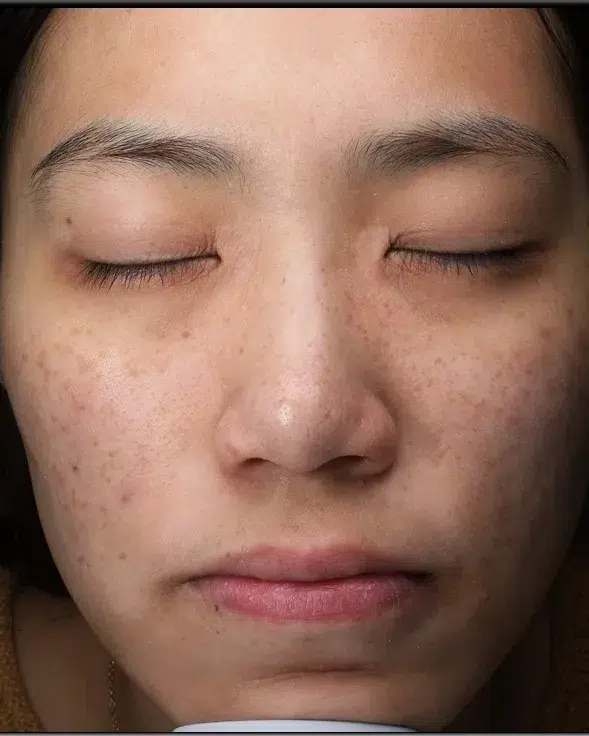
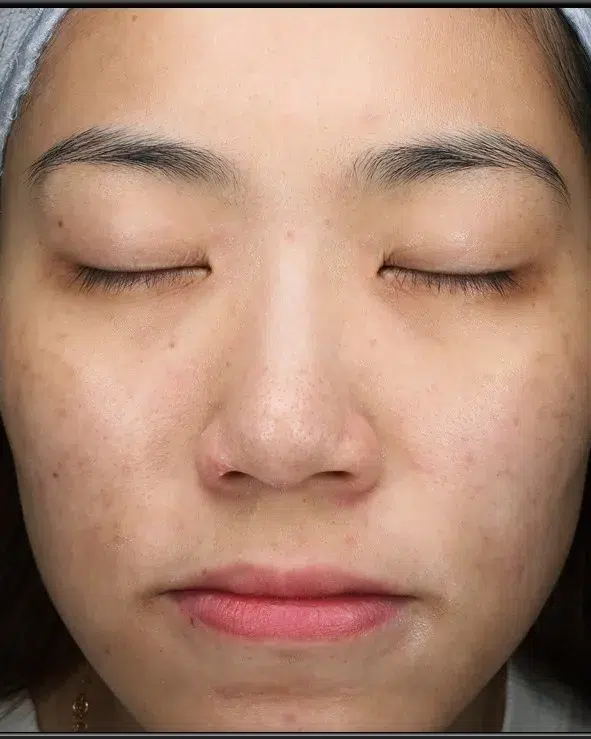
Case 22 · Real Sun Damage / Photoaging Record
- Client Profile
- Asian Female · Fitzpatrick IV · Long-Term Duration
- Concerns
- Sun Damage / Photoaging (Comprehensive Improvement via Multimodal Combination Plan)
- Treatment plan
- Dual Picosecond Combination Therapy + PicoSure® + PicoSure Pro® + PicoWay® and 5 other treatments (1–2 sessions)
- Improvement
- Significant improvement in sun damage / photoaging · Natural overall result
- PIH
- No PIH
- Maintenance
- Routine sun protection + monthly home care + quarterly assessment
Case 22: Sun Damage / Photoaging before comparison · Asian female · Fitzpatrick IV · Long-term duration · Multimodal combination protocol led by our physician at Luowei Medical Aesthetics Clinic, Nanjing
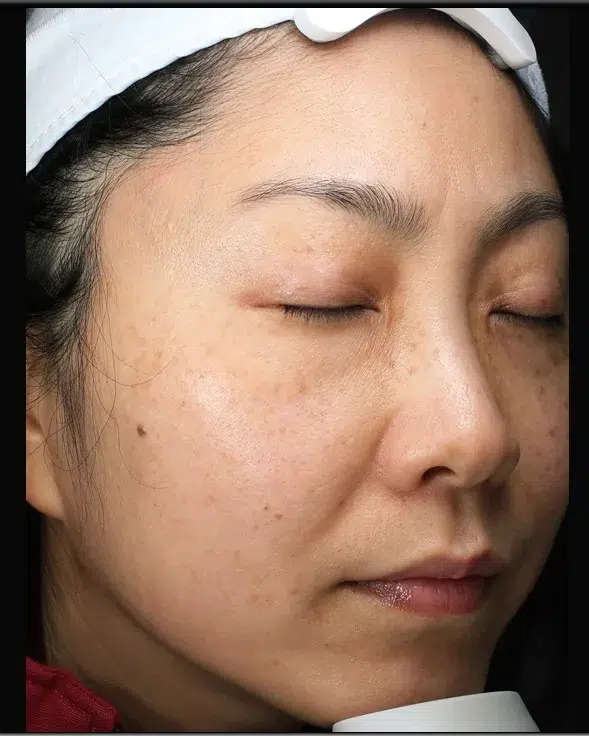
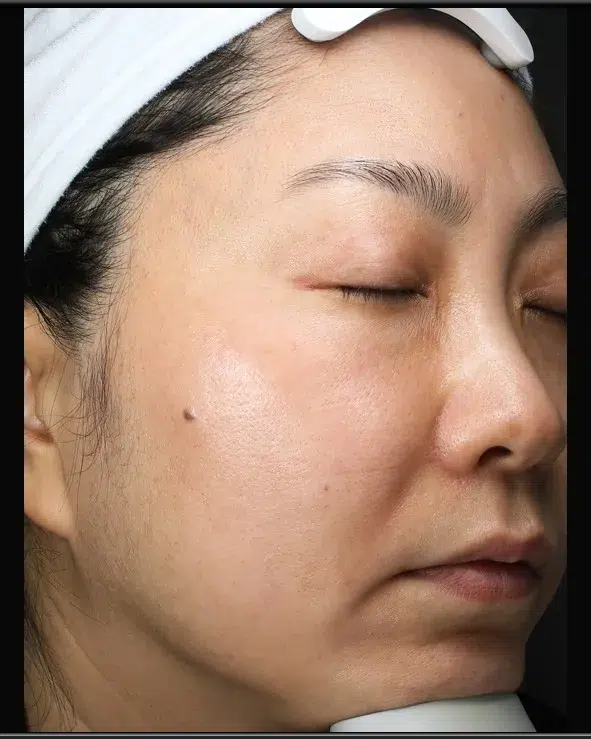
Case 29 · Sun Damage / Photoaging Real Record
- Client Profile
- Asian Female · Fitzpatrick IV · Long-Term Duration
- Concerns
- Sun Damage / Photoaging (Comprehensive Improvement via Multimodal Combination Plan)
- Treatment plan
- Dual Picosecond Combination Therapy + PicoSure® + PicoSure Pro® + PicoWay® (1–2 sessions)
- Improvement
- Significant improvement in sun damage / photoaging · Natural overall result
- PIH
- No PIH
- Maintenance
- Routine sun protection + monthly home care + quarterly assessment
Case 29: Sun Damage / Photoaging Before Comparison · Asian Female · Fitzpatrick IV · Long-Term Duration · Multimodal Combination Plan led by our physician at Luowei Medical Aesthetics Clinic, Nanjing
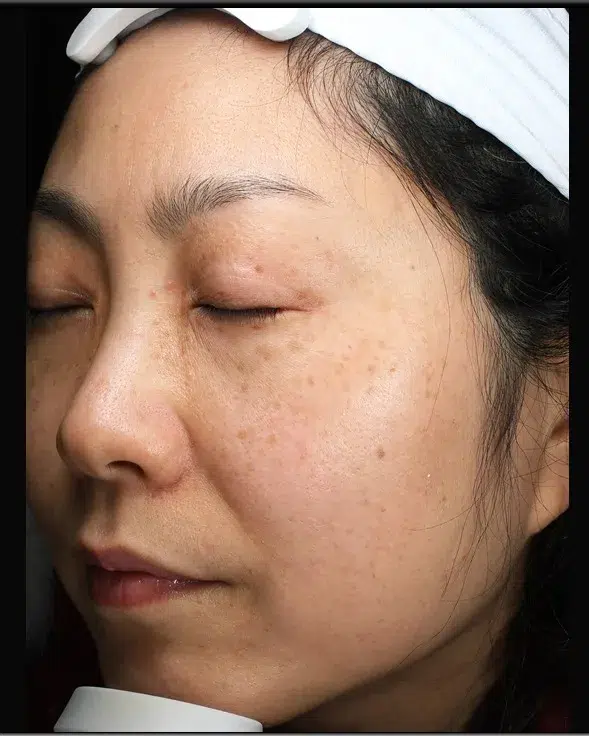
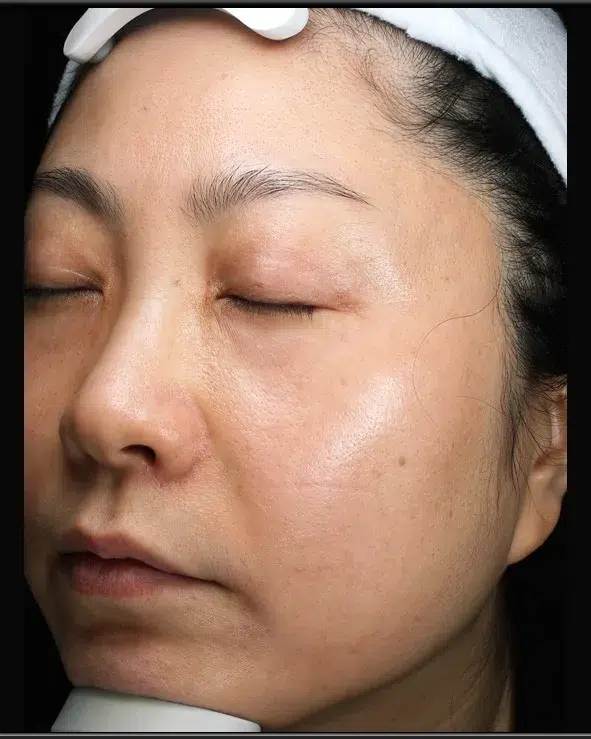
Case 31 · Real sun damage / photoaging record
- Client Profile
- Asian Female · Fitzpatrick IV · Long-Term Duration
- Concerns
- Sun Damage / Photoaging (Comprehensive Improvement via Multimodal Combination Plan)
- Treatment plan
- Dual Picosecond Combination Therapy + PicoSure® + PicoSure Pro® + PicoWay® (1–2 sessions)
- Improvement
- Significant improvement in sun damage / photoaging · Natural overall result
- PIH
- No PIH
- Maintenance
- Routine sun protection + monthly home care + quarterly assessment
Case 31: Sun Damage / Photoaging Before-Treatment Comparison · Asian female · Fitzpatrick IV · Long-term duration · Multi-modal combination protocol led by our physician at Luowei Medical Aesthetics Clinic, Nanjing
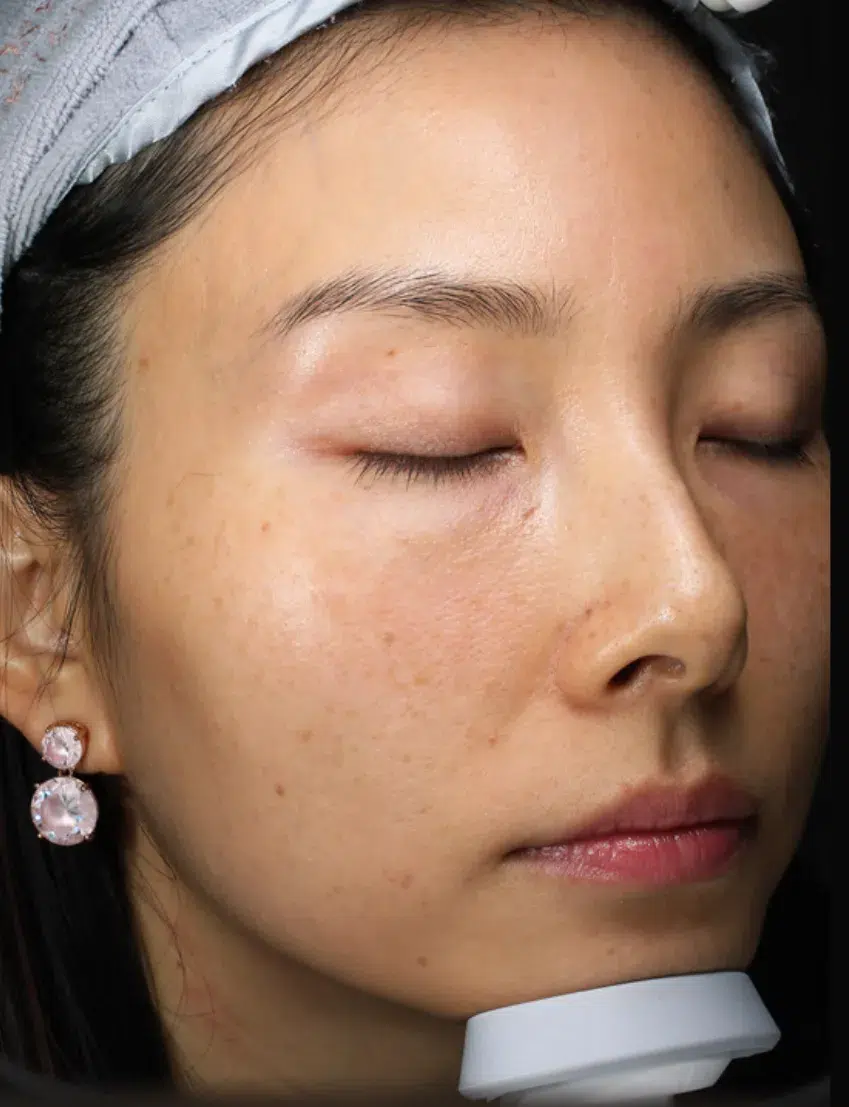
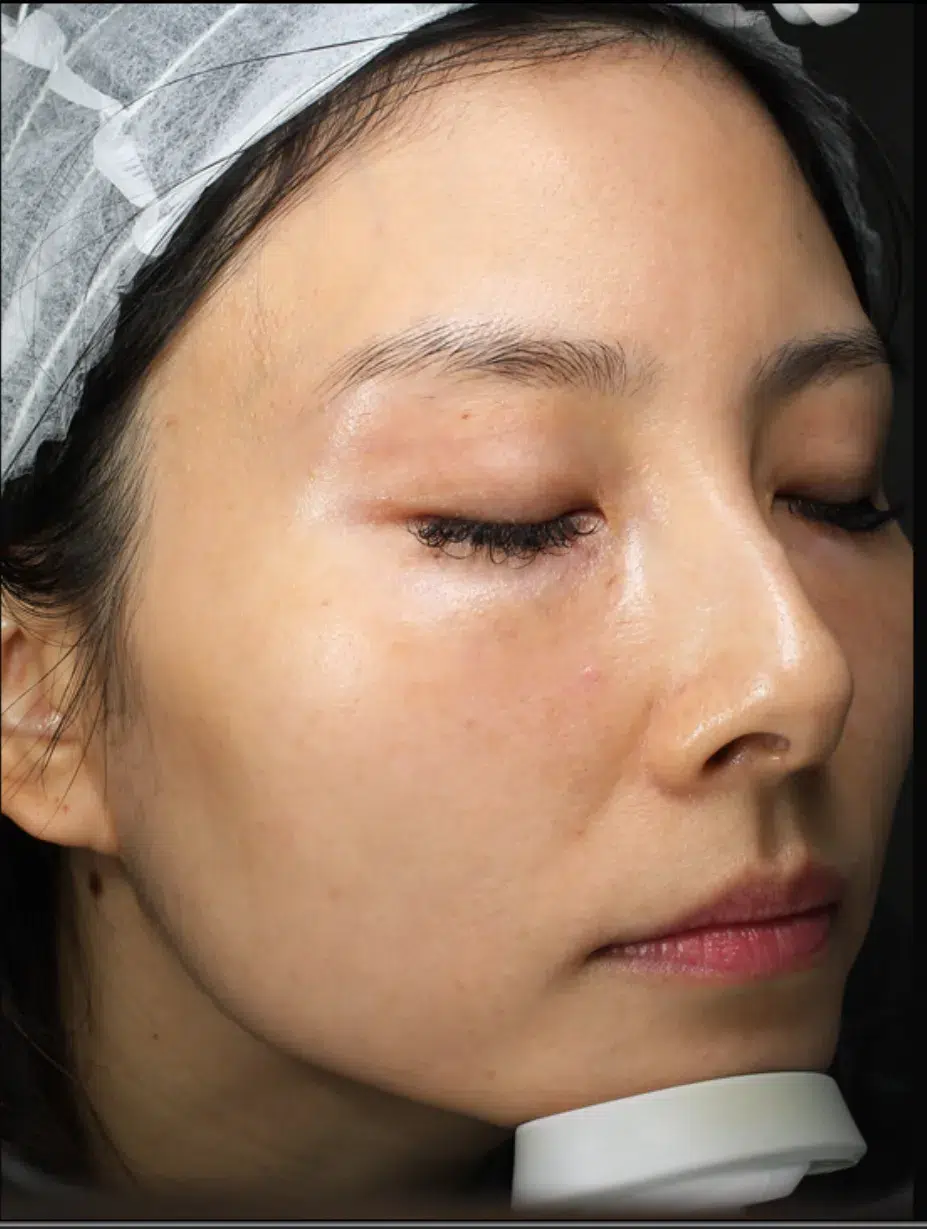
Case 40 · Real Sun Damage / Photoaging Record
- Client Profile
- Asian female · Fitzpatrick I
- Concerns
- Sun Damage / Photoaging (Comprehensive Improvement via Multimodal Combination Plan)
- Treatment plan
- (within 3 months × multiple sessions)
- Improvement
- Significant improvement in sun damage / photoaging · Natural overall result
- PIH
- No PIH
- Maintenance
- Routine sun protection + monthly home care + quarterly assessment
Case 40: Sun Damage / Photoaging Before Comparison · Asian Female · Fitzpatrick I · Multimodal Combination Plan led by our physician at Luowei Medical Aesthetics Clinic, Nanjing
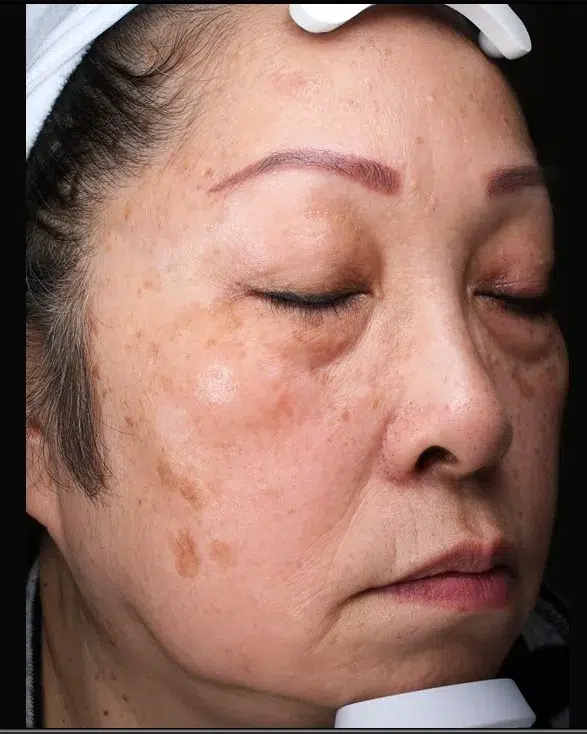
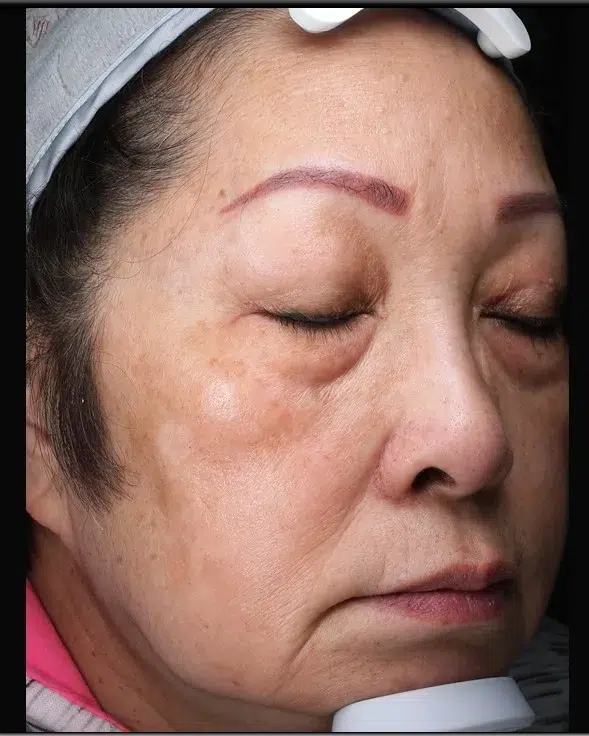
Case 48 · Sun Damage / Photoaging Real Record
- Client Profile
- Asian female · Fitzpatrick IV
- Concerns
- Sun Damage / Photoaging (Comprehensive Improvement via Multimodal Combination Plan)
- Treatment plan
- Dual-pico combination + PicoSure® + PicoSure Pro® + PicoWay® (multiple sessions within 3 months)
- Improvement
- Significant improvement in sun damage / photoaging · Natural overall result
- PIH
- No PIH
- Maintenance
- Routine sun protection + monthly home care + quarterly assessment
Case 48: Sun Damage / Photoaging Before-Treatment Comparison · Asian female · Fitzpatrick IV · Multi-modal combination protocol led by our physician at Luowei Medical Aesthetics Clinic, Nanjing
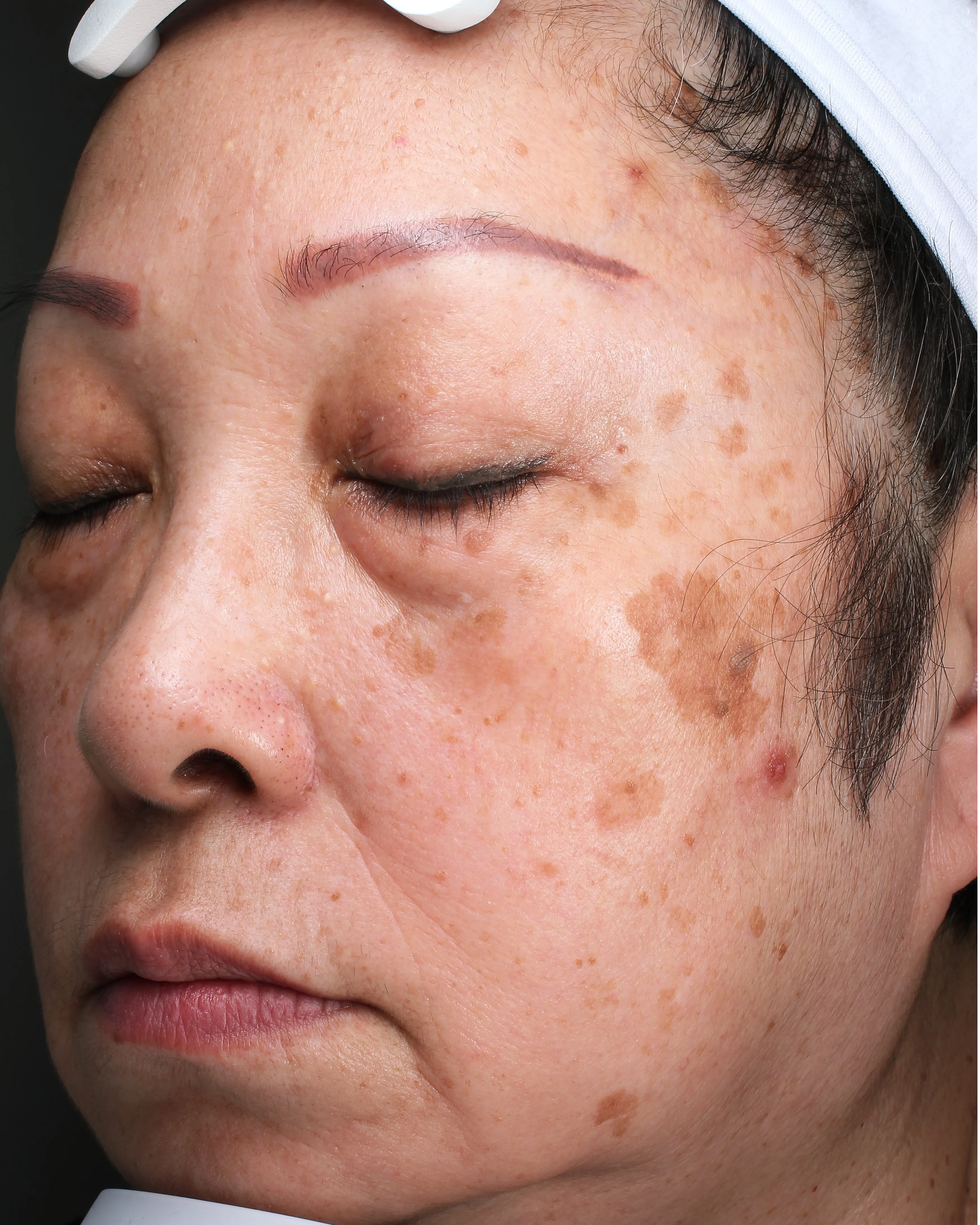
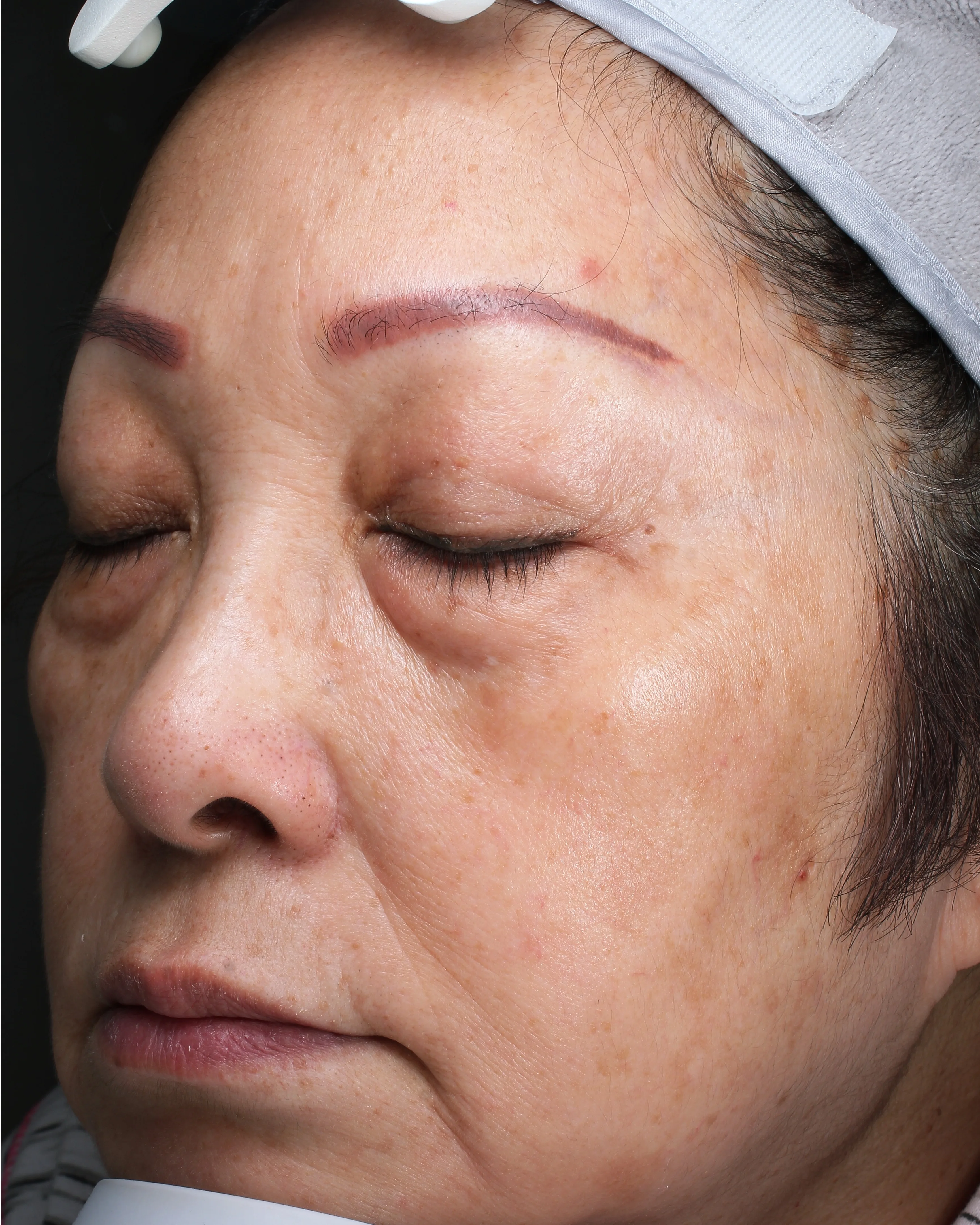
Case 54 · Real sun damage / photoaging record
- Client Profile
- Asian female · Fitzpatrick IV
- Concerns
- Sun Damage / Photoaging (Comprehensive Improvement via Multimodal Combination Plan)
- Treatment plan
- Dual-pico combination + PicoSure® + PicoSure Pro® + PicoWay® (multiple sessions within 3 months)
- Improvement
- Significant improvement in sun damage / photoaging · Natural overall result
- PIH
- No PIH
- Maintenance
- Routine sun protection + monthly home care + quarterly assessment
Case 54: Sun Damage / Photoaging before comparison · Asian female · Fitzpatrick IV · Multimodal combination protocol led by our physician at Luowei Medical Aesthetics Clinic, Nanjing
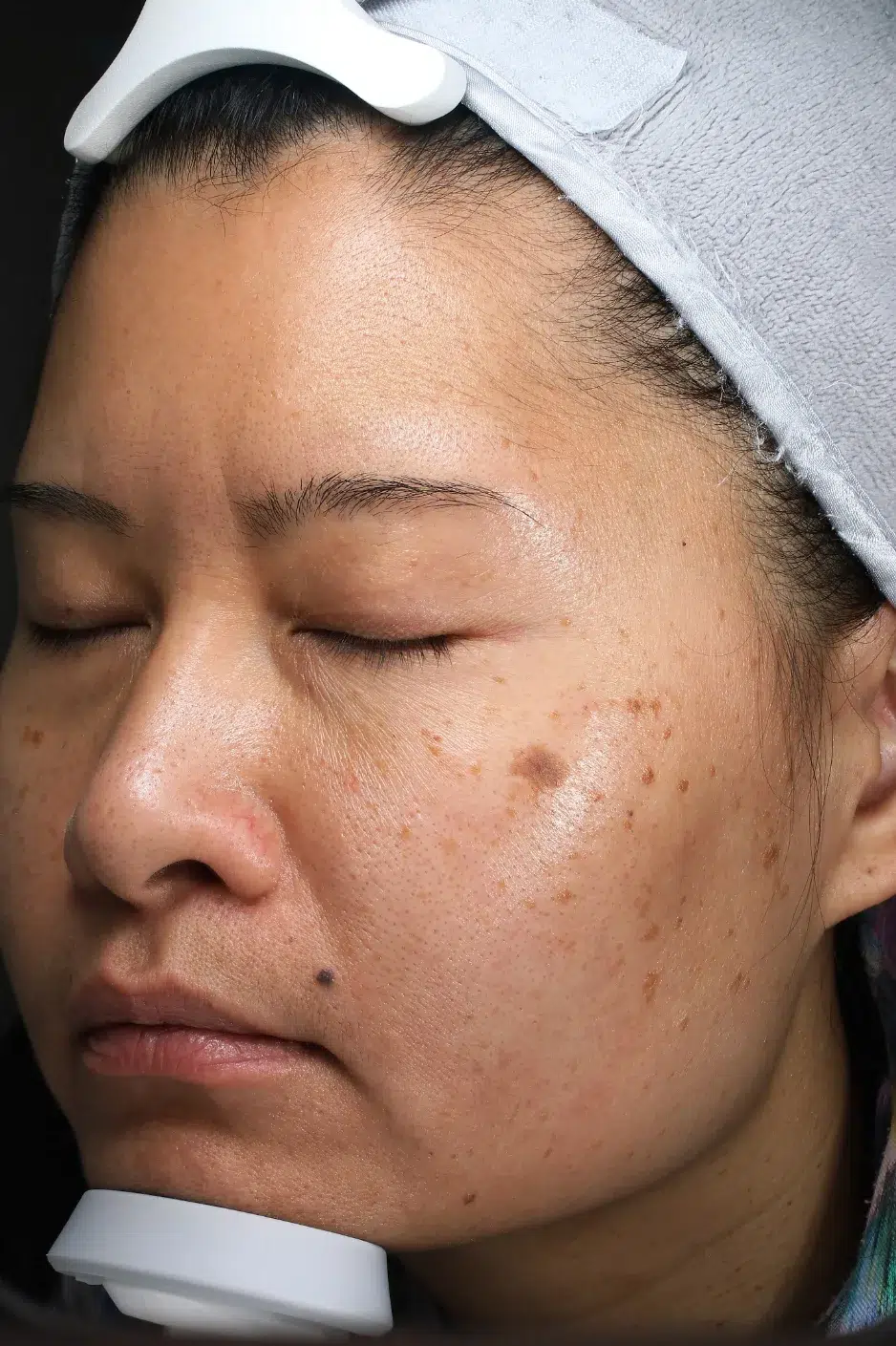
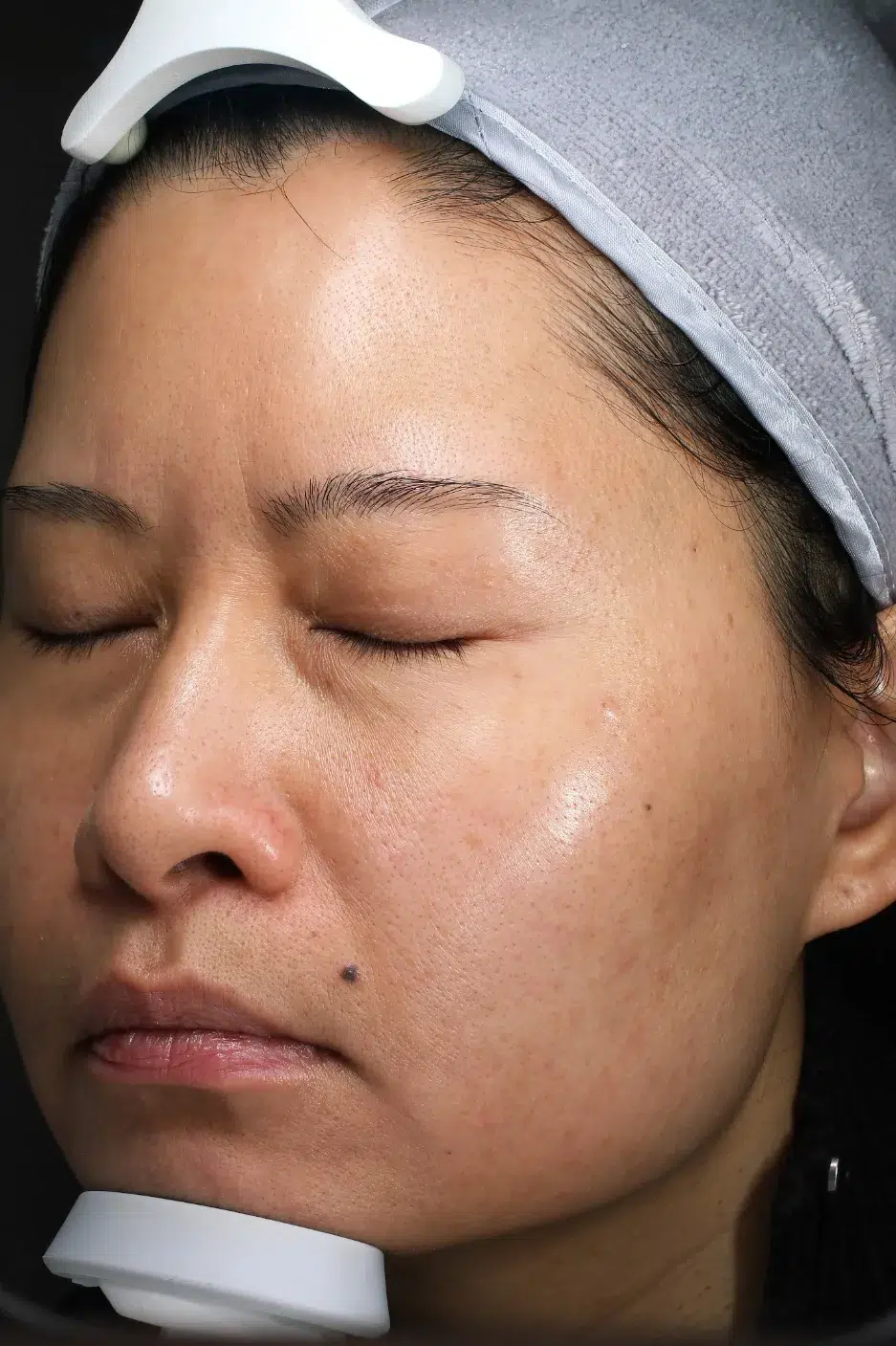
Case 76 · Real Sun Damage / Photoaging Record
- Client Profile
- Asian female · Fitzpatrick I
- Concerns
- Sun Damage / Photoaging (Comprehensive Improvement via Multimodal Combination Plan)
- Treatment plan
- Dual Picosecond Combination Therapy + Pico® Brightening & Rejuvenation + PicoSure® + PicoSure Pro® and 6 other treatments (multiple sessions within 3 months)
- Improvement
- Significant improvement in sun damage / photoaging · Natural overall result
- PIH
- No PIH
- Maintenance
- Routine sun protection + monthly home care + quarterly assessment
Case 76: Sun Damage / Photoaging Before-Treatment Comparison · Asian female · Fitzpatrick I · Multi-modal combination protocol led by our physician at Luowei Medical Aesthetics Clinic, Nanjing
What is sun damage / photoaging? And why isn’t it just “normal aging”?
Sun damage and photoaging refer to skin that has been chronically exposed to Ultraviolet (UVA + UVB) + visible light + infrared cumulative damage caused by Structural + pigmentary + vascular damage. It is a fundamentally different concept from Chronological Aging — chronological aging determines skin thinning, while photoaging determines wrinkles, spots, laxity, and dullness. Clinical data shows that 80% of visible facial aging is driven by photoaging, with only 20% attributable to intrinsic chronological aging.
Why Is Photoaging “Controllable and Reversible”?
Unlike intrinsic aging, photoaging is Extrinsically driven is a cumulative process — before the barrier collapses, device + topical regimens can Significant Reversal— This is why ages 30–50 are the optimal intervention window.
Why does Asian skin present differently?
Caucasian photoaging is dominated by wrinkles and elastosis, while Asian Fitzpatrick III–V photoaging is dominated by Pigmentary disorder + dullness + sallowness predominantly, with wrinkles appearing relatively later — requiring a different intervention focus.
Why strict sun protection is still essential in Nanjing winters
UVA Penetrates clouds and glass year-round; snow reflection actually increases winter UV intensity by 30%. The most common misconception among Chinese-clients in North America is“No sunscreen needed in winter”— This is the leading driver of accelerated photoaging.
Why a single device isn’t enough
Photoaging is Multi-dimensional damage: Pigment, vascular, collagen, and barrier components are all affected simultaneously. A single IPL device cannot address laxity, and a single fractional laser cannot precisely target pigment — device synergy is essential.
Clinical highlights:Many clients aged 35–45 begin complaining that their skin is getting darker, more spotted, and losing radiance — assuming it’s just “getting old.” In reality, 90% of this is photoaging, not chronological aging. Distinguishing the two is the first step in building any intervention plan.
The 5 causes of photoaging — it’s not just “sun exposure”
Clinically, the accumulation of photoaging involves multiple wavelengths of electromagnetic radiation plus endogenous accelerating factors — far beyond simply “sun exposure.”
1. UVA(Wavelength 320–400nm)
Penetrates into the deep dermis, damaging collagen and elastic fibers, and activating basal-layer melanocytes — the Wrinkles and pigmentation worsen in parallel is the main cause. Penetrates glass and clouds, year-round.
2. UVB(wavelength 290–320 nm)
Primarily causes epidermal DNA damage, sunburn, and solar lentigines. Intensity is seasonal, peaking in summer. A direct trigger for epidermal pigmentary lesions.
3. Visible light (HEV / blue light)
Recent research confirms HEV Blue light also deepens pigmentation in Asian skin. Phone screens and sunlight reflected off car windows both contribute to exposure. Regular SPF doesn’t block these — your sunscreen must contain Iron oxide physical sunscreen.
4. Infrared (IR-A)
penetrates deep into the dermis, triggering oxidative stress and MMP-1 expression that accelerates collagen degradation. This is why Photoaging occurs even without sunburn.
5. Intrinsic accelerating factors
Smoking, chronic sleep deprivation, chronic inflammation, glycation, and alcohol consumption significantly amplify the damage caused by the same UV exposure — which is why two people of the same age and region can differ in skin age by 10 years.
4 conditions commonly confused with photoaging — differential diagnosis key points
Photoaging is a syndrome, but it is often reduced to a single complaint (pigmentation / dullness / wrinkles), which leads to misaligned treatment priorities.
Chronological Aging
Intrinsic Aging · Intrinsic
| Distribution | Consistent across the whole body |
|---|---|
| Morphology | Fine lines, skin thinning, loss of elasticity, minimal pigment |
| Symmetry of distribution | Symmetric and uniform |
| Triggering factors | Genetics + time |
| First-line treatment | Collagen stimulation + topical retinoid |
Melasma
Hormonal Pigmentation
| Distribution | Symmetric patches on cheeks / forehead / upper lip |
|---|---|
| Morphology | Brown patches with indistinct borders |
| Symmetry of distribution | Bilateral symmetry (key differentiator) |
| Triggering factors | Hormones + UV + genetics |
| First-line treatment | Low-energy picosecond + Cyspera |
Rosacea
Persistent Erythema
| Distribution | Predominantly midface |
|---|---|
| Morphology | Flushing + telangiectasias + papules |
| Symmetry of distribution | Symmetrical (easily confused with vascular-type photoaging) |
| Triggering factors | Genetics + neurovascular + microbiome |
| First-line treatment | Vbeam + Topical ivermectin |
Seborrheic Keratosis
Seborrheic keratosis · benign hyperplasia
| Distribution | Face / trunk / limbs |
|---|---|
| Morphology | “Raised brown plaques that look” stuck on “ |
| Symmetry of distribution | Asymmetric, scattered |
| Triggering factors | Cumulative sun exposure + aging (benign) |
| First-line treatment | Spot clearance with RF / CO₂ Laser |
⚠️ Warning:Photoaging often coexists with melasma, rosacea, and seborrheic keratosis Co-existing. Clinically, you can’t approach this with a single-diagnosis mindset — one machine solving one problem doesn’t equal solving the whole face. A comprehensive assessment must come first, then decisions on what to treat first, with which device, and in what order.
Why does photoaging in Asian skin require a dedicated Fitzpatrick III–V protocol?
Blind spots of mainstream North American clinics
Mainstream North American photoaging protocols are built on Fitzpatrick I–II (Caucasian) pathology, where the core goal is Collagen remodeling + reversal of elastin degeneration; But the primary concern in Asian-skin photoaging is Pigmentary disorder + dullness, Wrinkles and laxity typically appear 10 years later. Applying Caucasian protocols directly leads to:
- ✗ Excessive energy causing PIH— Asian epidermal melanin absorbs 5–10× more heat
- ✗ Over-stimulation triggers melasma— High-energy IPL / fractional laser can activate existing pigment
- ✗ Misdirected approach— Overemphasizing wrinkles and underemphasizing brightening — overlooking the primary concern for Asian clients
Our physician’s Specialized Adjustments for Fitzpatrick III–V
| Parameters | North American standard | Asian adjustments |
|---|---|---|
| IPL Energy density | 16–22 J/cm² | 10–16 J/cm² |
| Fractional density | 20–25% | 8–15% |
| Treatment Interval | 3 weeks | 4–8 weeks |
| Test spot | Optional | Required |
| Pre-treatment | None | 2–4 Weekly barrier + brightening prep |
6 photoaging treatment protocols — combined by Glogau classification
There is no “miracle device” for photoaging — devices must be combined according to damage dimensions (pigment / vascular / collagen / barrier).
IPL Lumecca / M22 Intense Pulsed Light (IPL)
Broad-spectrum treatment Pigment + vascular + barrier A three-in-one solution and the gold standard for Glogau I–II early-stage photoaging.
Fotona ClearGlow(FRAC3)
1064nm Long-pulse rejuvenation that addresses pigment + vessels while stimulating collagen — suitable for Dullness + early fine lines combination concerns.
Halo / Fraxel Fractional laser
Non-ablative fractional treatment Collagen loss + elastin degeneration + deep pigment, Suitable for moderate-to-severe Glogau III–IV photoaging. Recovery: 3–5 days.
PicoSure Pro Picosecond Laser
755nm Short pulse widths precisely shatter accumulated sunspots and pigmentary disorder, while Focus Lens mode simultaneously stimulates collagen. A first-choice adjunct for photoaging combined with pigmentation.
Vbeam Perfecta Vascular Laser
Address photoaging-associated Persistent erythema + telangiectasia, Often used in synergy with IPL.
Skin Booster (Glutathione + Vitamin C + HA)
Antioxidant compounds injected into the superficial dermis improve dullness + reduce new pigment formation; used between laser sessions to accelerate recovery.
Our physician’s 6-step standard photoaging protocol
Consultation + Glogau grading + VISIA UV assessment
30 minute free consultation: VISIA quantification of latent pigment + red zones + wrinkle depth, Glogau I–IV grading, and identification of the priority treatment dimension.
2–4 weeks of pre-treatment (barrier repair + brightening preparation)
Topical retinoid / vitamin C / niacinamide + strict mineral SPF 50+ (with iron oxide) to prepare the foundation for laser treatment.
Test spot(mandatory for Asian skin)
A small-area IPL test in front of the ear or below the cheekbone, with 7-day observation to ensure parameter safety. Often skipped by North American clinics — and that’s precisely the source of PIH disasters.
Main treatment period (3–6 sessions, multi-device synergy)
Combine IPL + Fotona + fractional laser + pico across the pigment / vascular / collagen dimensions, one session every 4–8 weeks, with cold compress + barrier-repair care immediately after each treatment.
Evaluation period (8–12 weeks after main treatment ends)
VISIA Re-test 3D comparison — quantifying improvement in pigmentation / redness / wrinkles / pores separately, to determine whether to enter the maintenance phase.
Maintenance phase (one session every 4–6 months, long-term)
Low-frequency maintenance treatment + topical retinoid / vitamin C + strict sun protection. Photoaging is a lifelong proposition; maintenance determines your skin’s condition 5 years from now.
Treatment timeline — how long until you see results?
| Glogau Classification | Main treatment cycle | Initial visible results | Significant improvement | Maintenance cycle |
|---|---|---|---|---|
| We grade (early) | 3–4 sessions | After sessions 1–2 | After session 3 | Every 6–9 months |
| II grade (mild-to-moderate) | 4–6 sessions | After session 2 | after the 4th session | Every 4–6 months |
| III grade (moderate to severe) | 6–8 sessions | After session 3 | After session 6 | Every 3–4 months |
| IV Grade (severe) | 8–12 sessions + multiple devices | after the 4th session | After session 8 | Every 2–3 months, long-term |
Clinical note:Speed of Photoaging Reversal Inversely correlated with age. With the same protocol, a 35-year-old patient may see significant change within 3 months, while a 55-year-old may need 9–12 months to reach the same magnitude — this is an objective rule dictated by cell turnover cycles, not a difference in clinic capability.
Are You a Candidate for Photoaging Intervention? 2-Minute Self-Assessment
✅ ready to start an assessment
- ✓30 years and older, looking “older” or having “more pigmentation” than peers
- ✓Facial pigmentation, sallowness, enlarged pores, and fine lines all present simultaneously
- ✓History of long-term outdoor work / sports / residing in tropical regions
- ✓Shocked by deep latent pigment revealed in VISIA UV mode
- ✓Willing to commit to a structured 4–8 month protocol (not a single-session fix)
- ✓Can consistently apply daily mineral SPF 50+ (with iron oxide) sunscreen
❌ needs to be postponed or other conditions addressed first
- ✗Pregnancy or breastfeeding
- ✗Sun-burned or just back from vacation within the past 4 weeks and not yet recovered
- ✗Active facial eczema / severe acne flare
- ✗Taking photosensitizing medications (isotretinoin within the past 6 months)
- ✗Expecting one session to take 10 years off (a mismatched expectation)
- ✗Unevaluated severe keloid tendency
Luowei Medical photoaging protocol vs. typical medspa
- ✗Starts the device after a glance, without Glogau / VISIA assessment
- ✗Using one IPL to treat all types of “uneven skin tone”
- ✗Copying energy parameters from Caucasian templates
- ✗Skipping the test spot and treating the full face on the first visit
- ✗Procedures mostly performed by RMTs / Aestheticians, without physician consultation
- ✗Failure to differentiate pigment / vascular / collagen dimensions
- ✗No maintenance plan — finish treatment and walk away
- ✓Mandatory VISIA UV + Glogau grading + Wood’s lamp examination
- ✓4 core devices (IPL / Fotona / fractional / pico) working in coordination
- ✓Mandatory test spot + 2–4 weeks of pre-treatment preparation
- ✓Our physician — personally consults and performs the procedure
- ✓Multidimensional Layered Plan (Pigment / Vessels / Collagen)
- ✓6 Phased protocol including long-term maintenance plan
Why Luowei Medical Aesthetics Clinic’s photoaging content is trustworthy
Experience
Expertise Specialty
Authoritativeness Authority
Trustworthiness Trustworthy
All cases on this page authorized via Media Release Form · Clinical data verifiable
About photoaging treatment pricing
Photoaging treatment prices vary widely between clinics — but the real cost driver is never the device itself. It’s about who assesses the dimensions of damage, who decides the sequence of device combinations, and how deeply clinical experience needs to be involved. Photoaging is a composite problem of pigment, vascular, collagen, and barrier issues, requiring multi-device coordination and treatment-pacing judgment. These decisions are made with our physician’s direct involvement, and the price structure reflects that medical investment. For stable clients in pure maintenance phase, our trained medical team can safely execute relatively standardized steps under our physician’s protocol, offering moreAccessibility. The price gap in laser and energy-based treatments fundamentally reflects the clinical experience difference between physician vs technician operation; for injectable treatments, we insist on physician-performed procedures. Which plan is right for you is determined by your condition, not by price — specific arrangements will be discussed at consultation alongside your VISIA UV assessment and Glogau classification.
- Payment is made at the clinic, after the consultation and before treatment begins
- Nothing is paid in advance, and no deposit is required to hold an appointment
- Cosmetic treatment is a self-pay item and is not covered by public medical insurance in China
- All first-visit clients receive a 30-minute Free Consultation & assessment
Risks & Contraindications — What We Must Be Clear About
What are the main risks?
1. PIH (rebound hyperpigmentation)(moderate risk in Asian skin) — significantly reduced through low energy + test spot + 2–4 weeks of pre-treatment preparation; 2. temporary erythema / dryness and flaking (common, resolves in 1–7 days); 3. pin-prick and warming sensation during treatment (tolerable, can add cold compress or topical anesthetic); 4. rare blistering / crusting (uncommon with proper protocols); 5. activation of pre-existing melasma (clinically must be screened and addressed with a specialized plan first).
Who Should Absolutely Not Have This Treatment?
Pregnancy, breastfeeding, oral isotretinoin within the past 6 months, unhealed sunburn within the past 4 weeks, active facial inflammation, unevaluated severe keloid tendency, photosensitive conditions, unrealistic expectations (believing one session can reverse 10 years) — in these cases our physician will recommend postponing or addressing other priorities first.
How Do We Reduce PIH Risk During Treatment?
5 key rules: (1) Mandatory test spot; (2) Start at the lowest energy and titrate up; (3) Minimum 4-week interval between sessions; (4) Strict physical SPF 50+ (with iron oxides) for 4 weeks before and after treatment; (5) Cold compress + barrier-repair skincare immediately after treatment, and return for follow-up if erythema persists beyond 7 days.
What’s Included in the Informed Consent Form?
Before the first treatment, every client signs an Informed Consent form covering: treatment mechanism, possible adverse reactions and their probability, alternative options, stopping criteria, follow-up schedule, and Media Release (optional). Every section is explained personally by our physician — never delegated to administrative staff.
Where the medical claims on this page come from
Everything above about Sun Damage / Photoaging rests on published evidence rather than on our own word. The sources below are the ones behind those statements: peer-reviewed papers indexed in PubMed, and guidance written for patients by dermatology academies and national health services. Read them before you decide — and bring any of them to your consultation.
- Peer-reviewedGuidelines of care for the management of acne vulgaris
- Peer-reviewedPostinflammatory hyperpigmentation: A comprehensive overview: Epidemiology, pathogenesis, clinical presentation, and noninvasive assessment technique
- Peer-reviewedMelasma Treatment: An Evidence-Based Review
- Peer-reviewedChemical peels for darker skin types
- Patient guidanceAcne: Tips for managing
- Patient guidanceMelasma: Treatment
What these references can and cannot tell you. They describe what is known about the treatment itself — how well it tends to work, how long results last, and what can go wrong. They are not an assessment of this clinic, and no published study can tell you whether it suits your skin type, anatomy, or medical history. That judgement comes from the physician who examines you in person, and it may well be “not this one”.