Volume Loss
Volume Loss (also referred to as facial hollowing, mid-face deflation, or facial volume atrophy) refers to the loss of Fat pad atrophy + skeletal…
Our physician’s Real Patient Cases — Volume Loss Treatment
The following cases were personally assessed and injected by our physician at our Nanjing clinic, and are shared with written Media Release Form authorization. The causes and distribution of volume loss vary from person to person; all treatment plans are based on an in-person 3D evaluation.
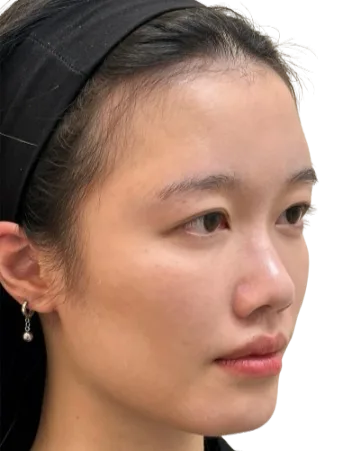

Case 5 · Volume Loss — Real Patient Record
- Patient profile
- Asian Female · Fitzpatrick IV
- Key concern
- Full-face volume loss · multi-compartment fat pad atrophy
- treatment plan
- Sculptra® (multiple sessions within 3 months)
- improvement outcomes
- Visible improvement in volume loss · Overall result looks natural
- post-inflammatory hyperpigmentation (PIH)
- No PIH
- maintenance
- Sculptra 12-18 month maintenance + Radiesse® touch-up
Case 05: Volume Loss — Before & After · Asian Female · Fitzpatrick IV · Multimodal combination protocol led by our physician at Luowei Medical Aesthetics Clinic, Nanjing
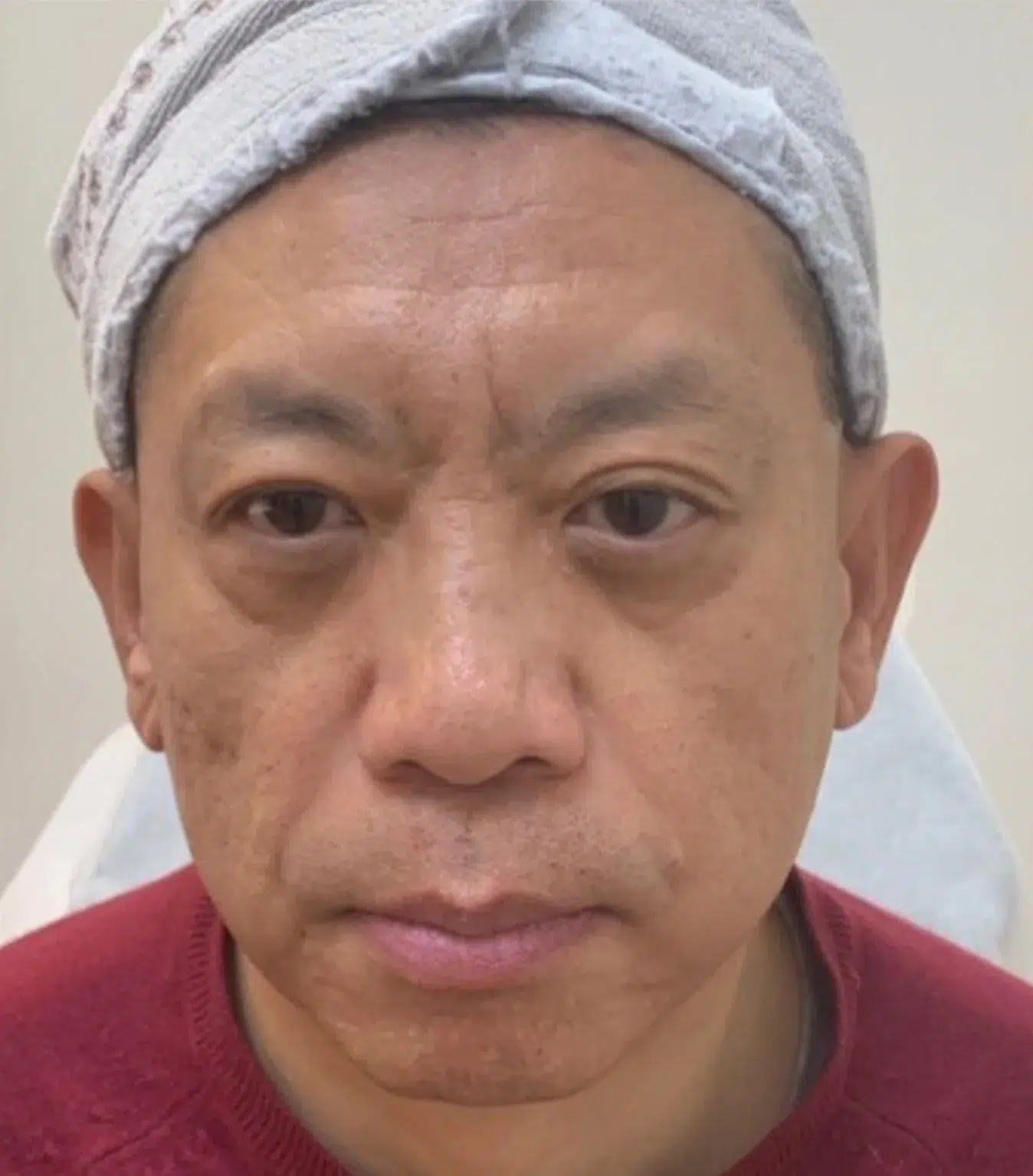
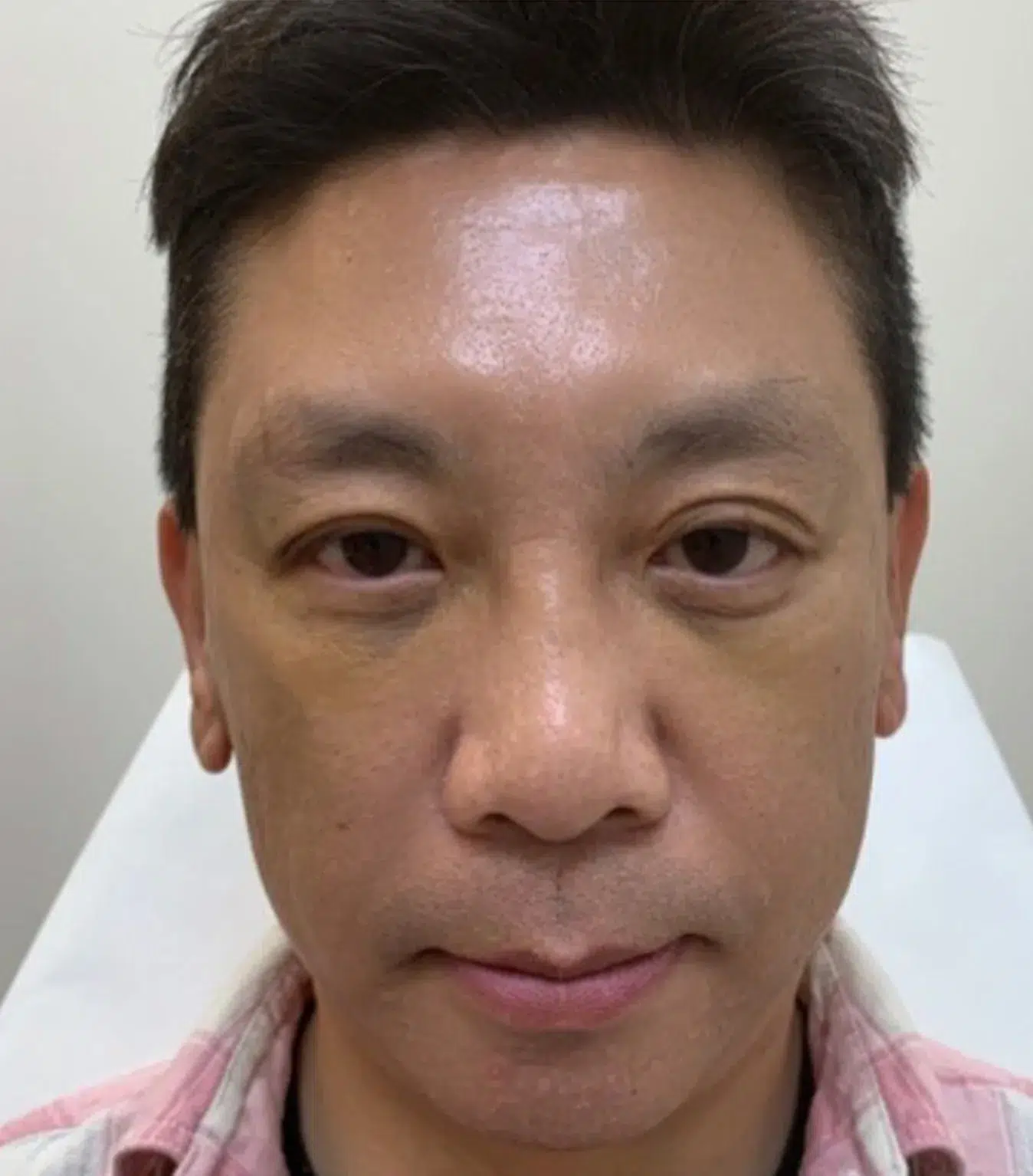
Case 6 · Volume Loss — Real Patient Record
- Patient profile
- Asian Female · Fitzpatrick IV
- Key concern
- Volume Loss (comprehensive improvement with multimodal combination protocol)
- treatment plan
- BTL Exilis Ultra™ + BTL Exilis Ultra 360 + Fotona® 4D lifting — 17 procedures (multiple sessions within 3 months)
- improvement outcomes
- Visible improvement in volume loss · Overall result looks natural
- post-inflammatory hyperpigmentation (PIH)
- No PIH
- maintenance
- Daily sun protection + monthly at-home skincare + quarterly clinical assessment
Case 06: Volume Loss — Before & After · Asian Female · Fitzpatrick IV · Multimodal combination plan led by our physician at Luowei Medical Aesthetics Clinic, Nanjing
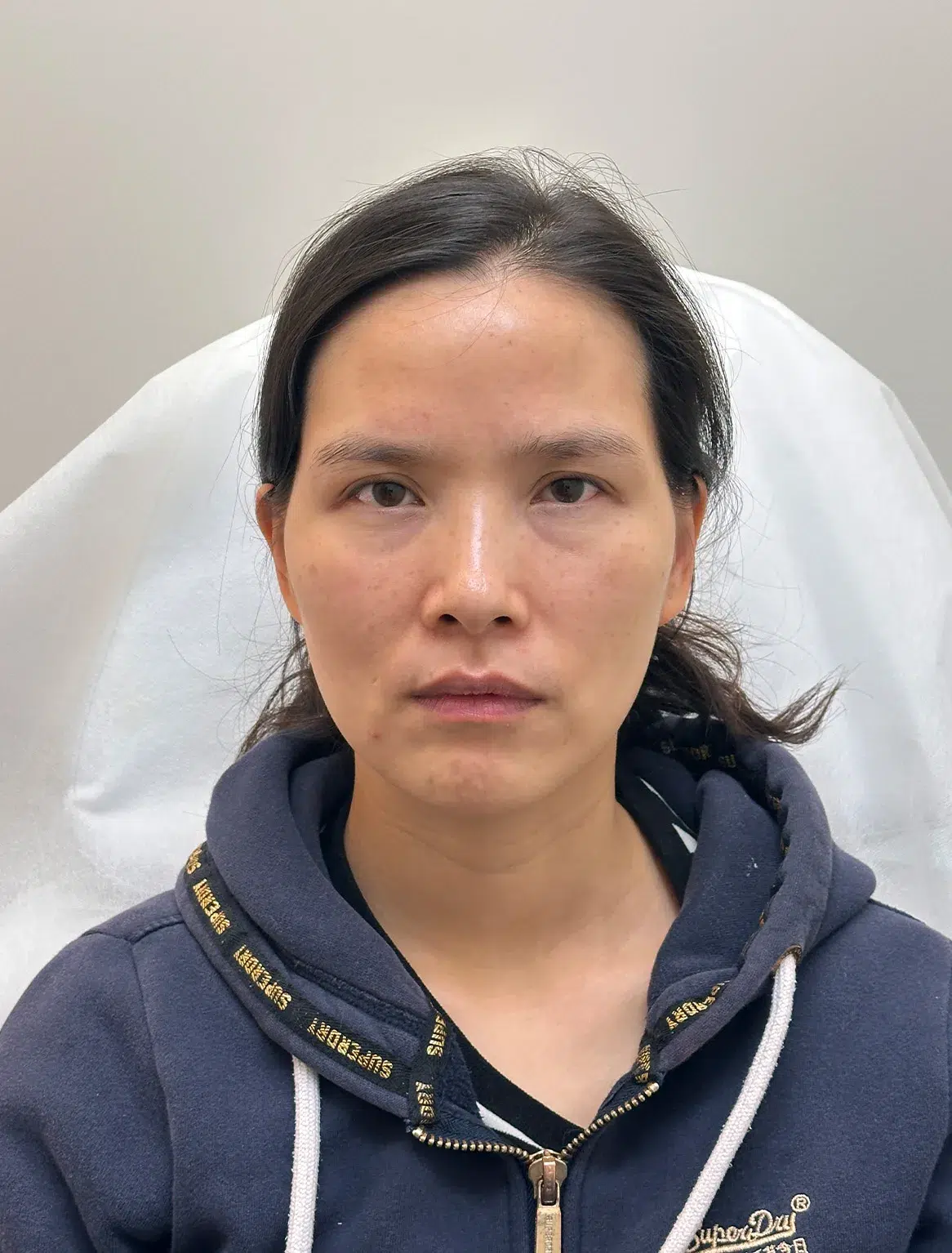
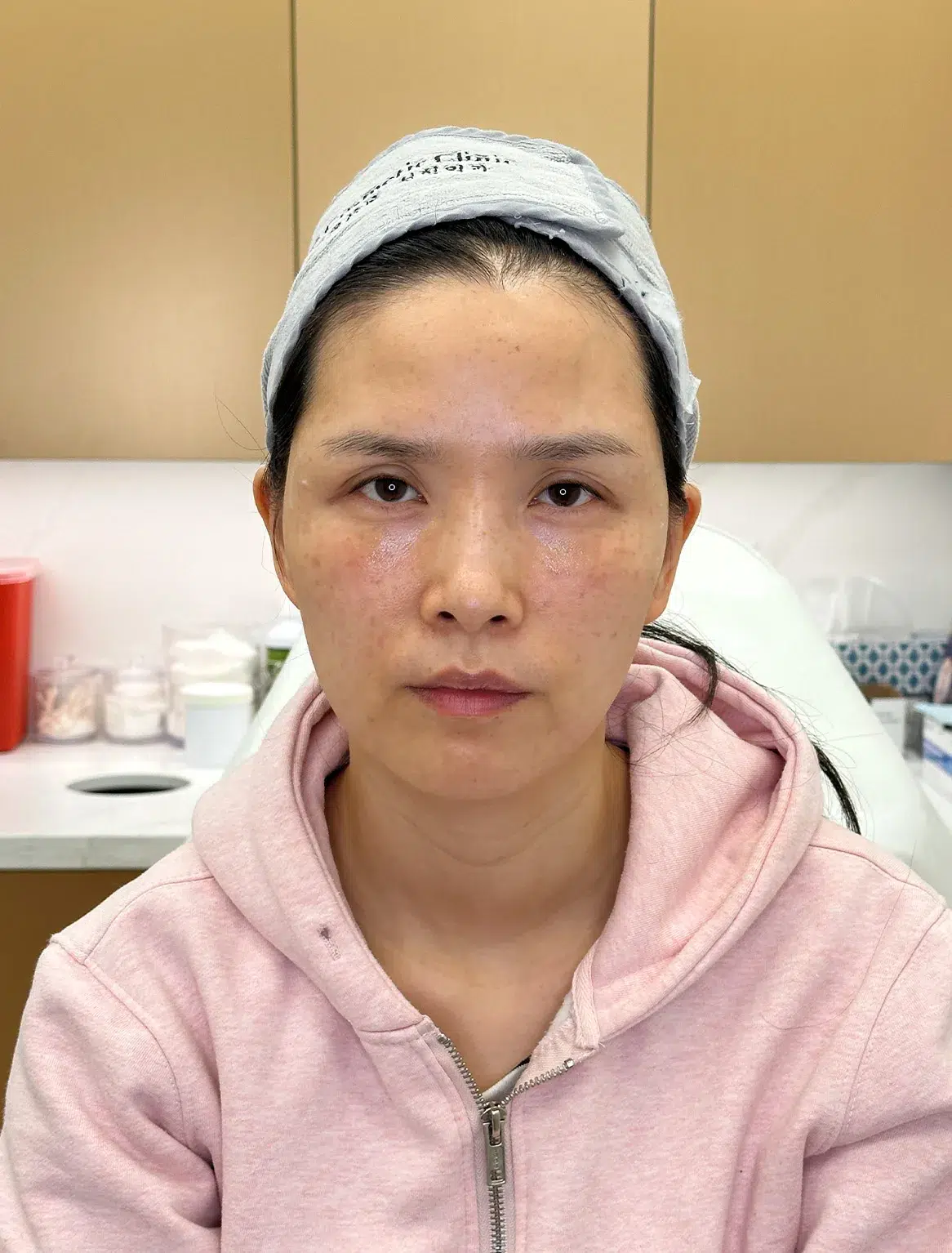
Case 7 · Volume Loss — Real Patient Record
- Patient profile
- Asian Female · Fitzpatrick I · Ongoing ~2–3 Years
- Key concern
- Volume Loss (comprehensive improvement with multimodal combination protocol)
- treatment plan
- Hyaluronic acid filler + periorbital rejuvenation / tear trough injection (multiple sessions within 3 months)
- improvement outcomes
- Visible improvement in volume loss · Overall result looks natural
- post-inflammatory hyperpigmentation (PIH)
- No PIH
- maintenance
- Follow-up every 6–12 months · Touch-up as needed + at-home eye cream for maintenance
Case 07: Volume Loss — Before & After · Asian Female · Fitzpatrick I · Duration: approx. 2–3 years · Multimodal combination plan led by our physician at Luowei Medical Aesthetics Clinic, Nanjing
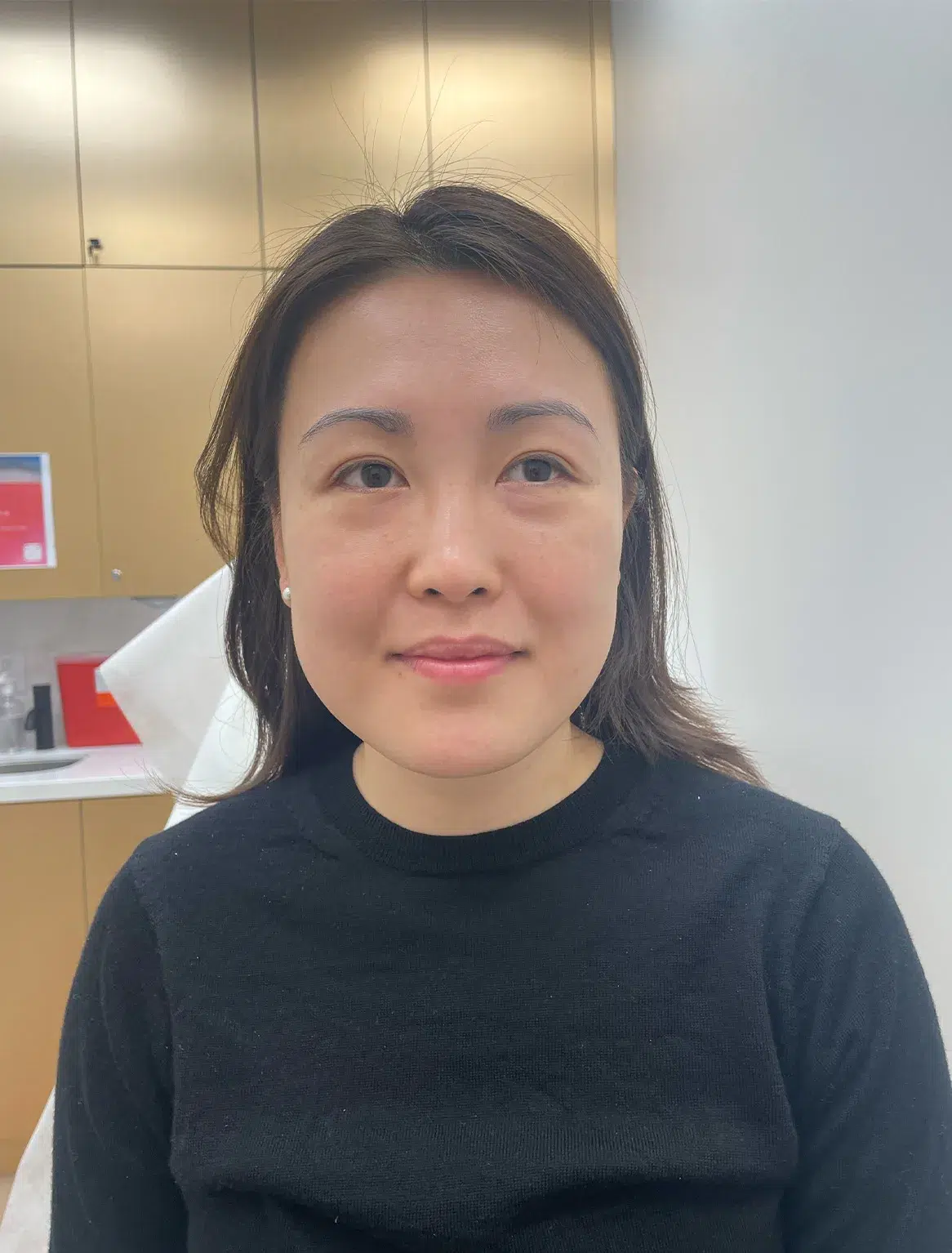
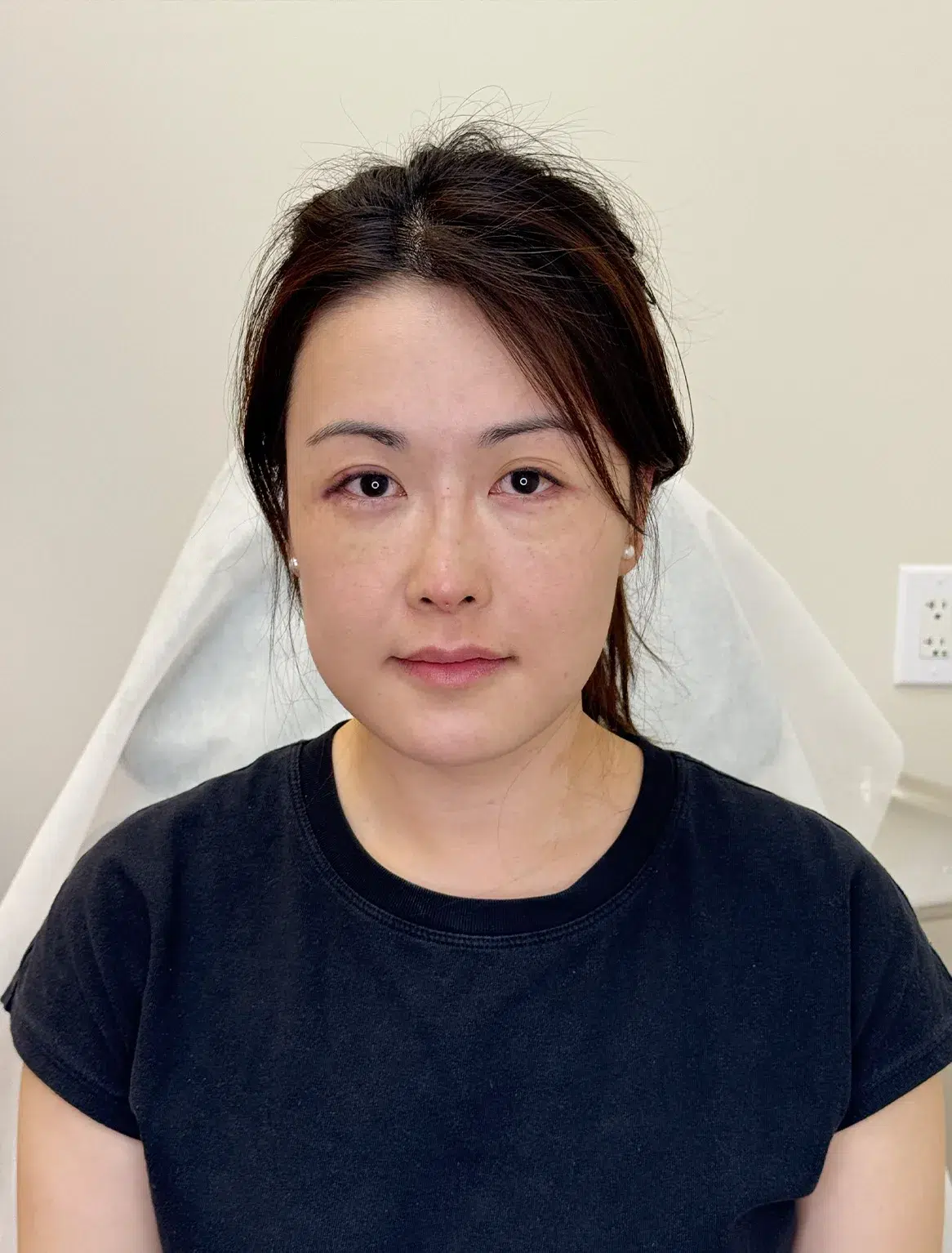
Case 8 · Volume Loss — Real Patient Record
- Patient profile
- Asian Female · Fitzpatrick I · Ongoing ~2–3 Years
- Key concern
- Volume Loss (comprehensive improvement with multimodal combination protocol)
- treatment plan
- Hyaluronic acid filler + periorbital rejuvenation / tear trough injection (multiple sessions within 3 months)
- improvement outcomes
- Visible improvement in volume loss · Overall result looks natural
- post-inflammatory hyperpigmentation (PIH)
- No PIH
- maintenance
- Follow-up every 6–12 months · Touch-up as needed + at-home eye cream for maintenance
Case 08: Volume Loss — Before & After · Asian Female · Fitzpatrick I · Ongoing ~2–3 Years · Multimodal combination approach led by our physician at Luowei Medical Aesthetics Clinic, Nanjing
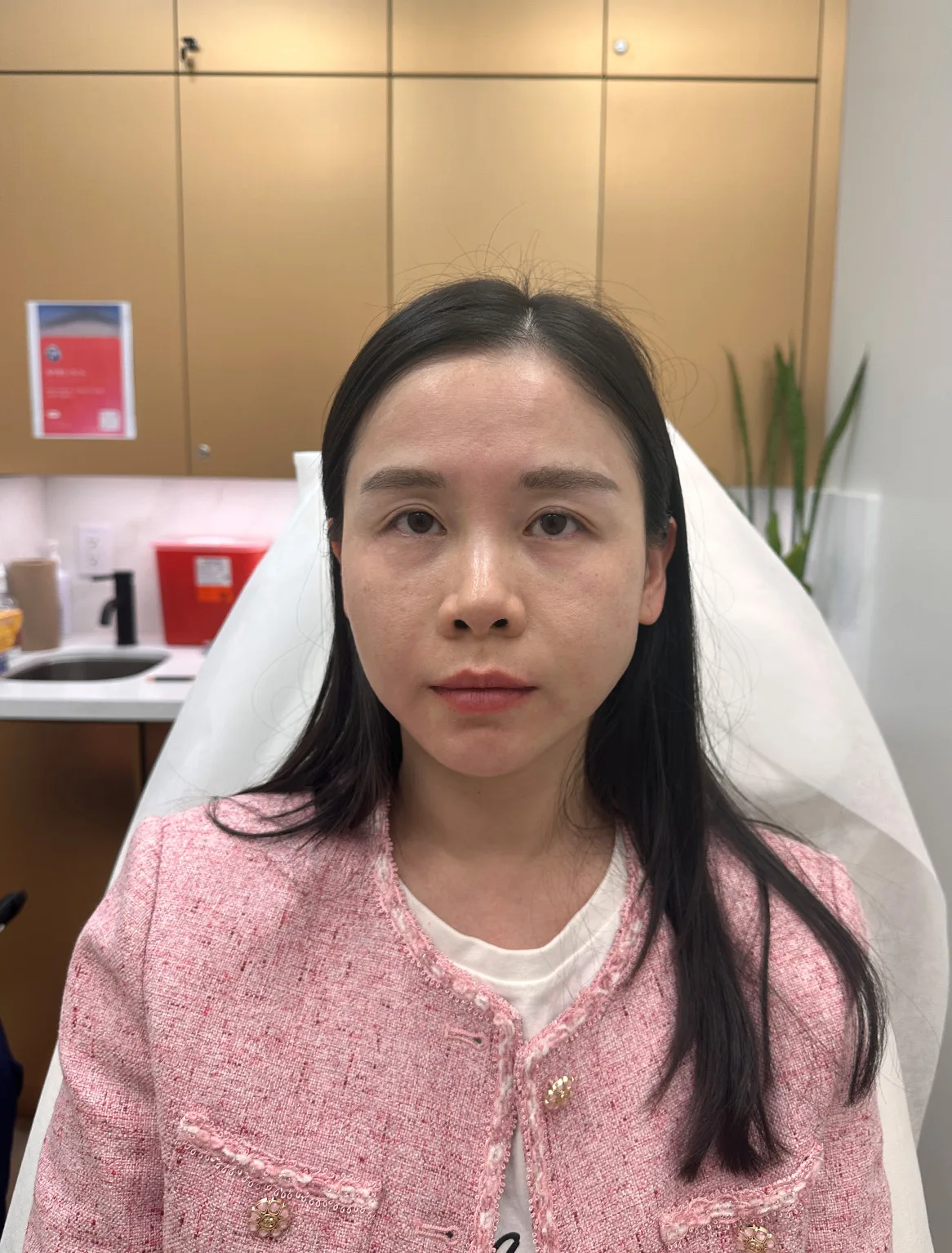
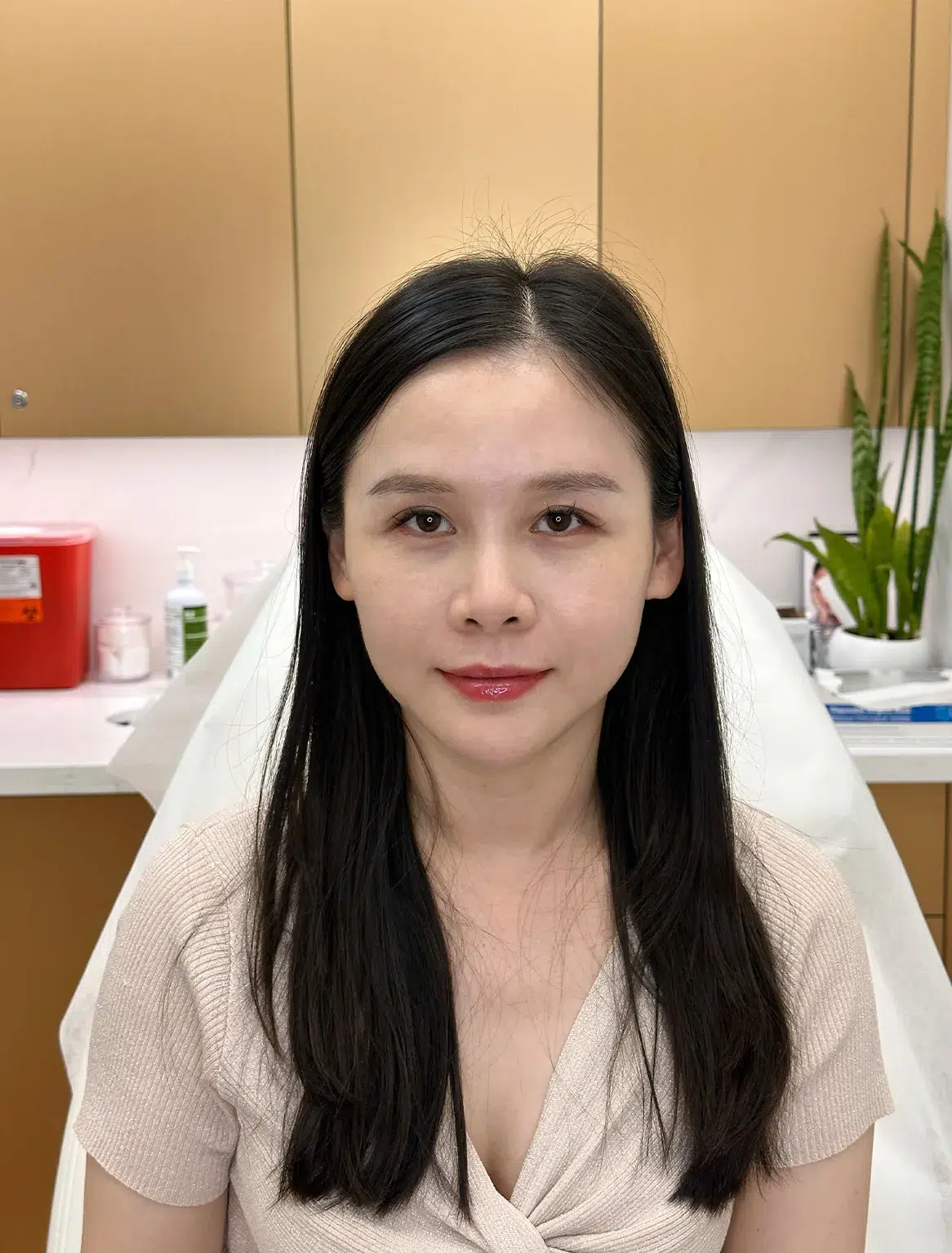
Case 9 · Volume Loss — Real Patient Record
- Patient profile
- Asian Female · Fitzpatrick I · Ongoing ~2–3 Years
- Key concern
- Volume Loss (comprehensive improvement with multimodal combination protocol)
- treatment plan
- Hyaluronic acid filler + periorbital rejuvenation / tear trough injection (multiple sessions within 3 months)
- improvement outcomes
- Visible improvement in volume loss · Overall result looks natural
- post-inflammatory hyperpigmentation (PIH)
- No PIH
- maintenance
- Follow-up every 6–12 months · Touch-up as needed + at-home eye cream for maintenance
Case 09: Volume Loss — Before & After · Asian Female · Fitzpatrick I · Progression over approximately 2–3 years · Multimodal combination protocol led by our physician at Luowei Medical Aesthetics Clinic, Nanjing
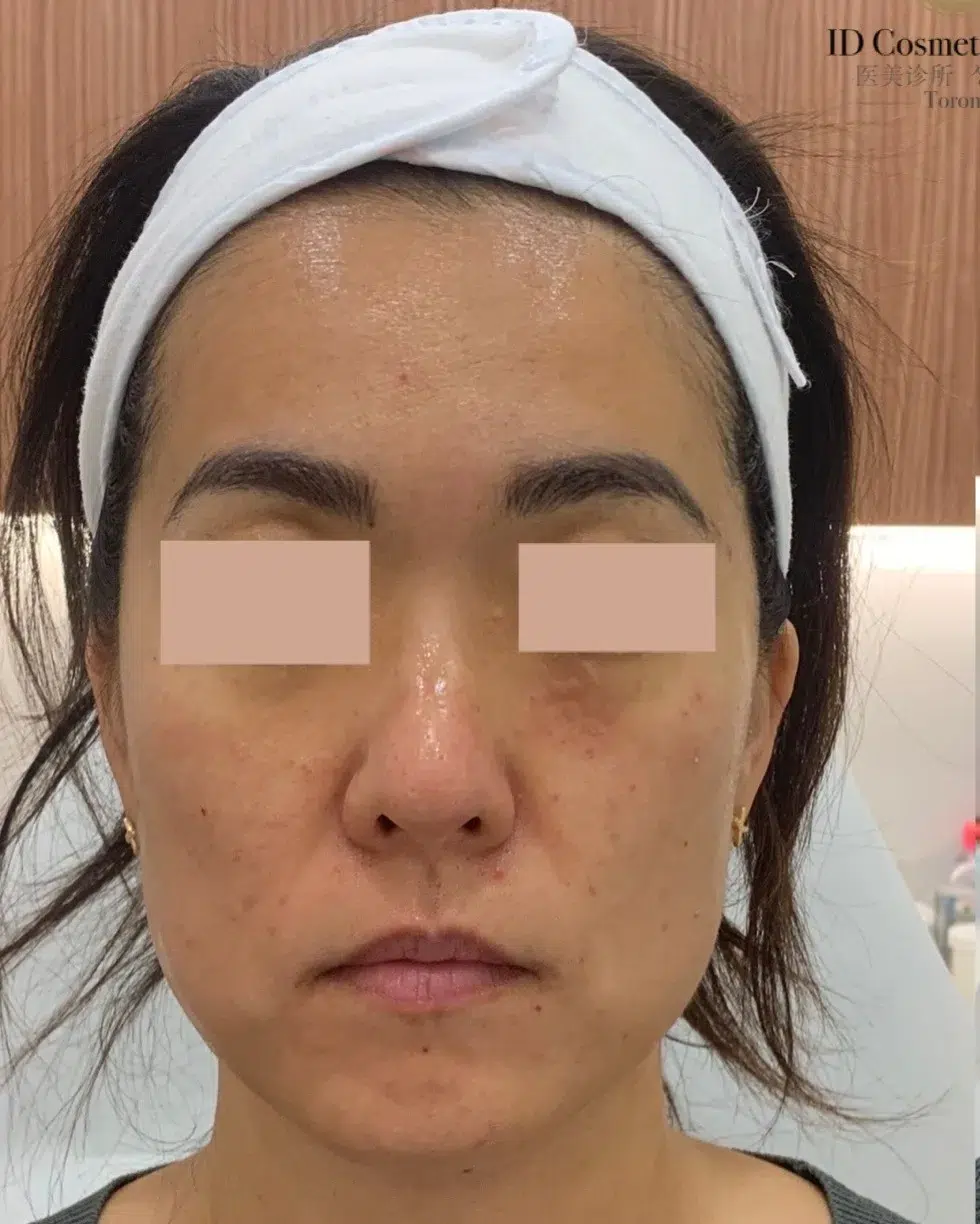
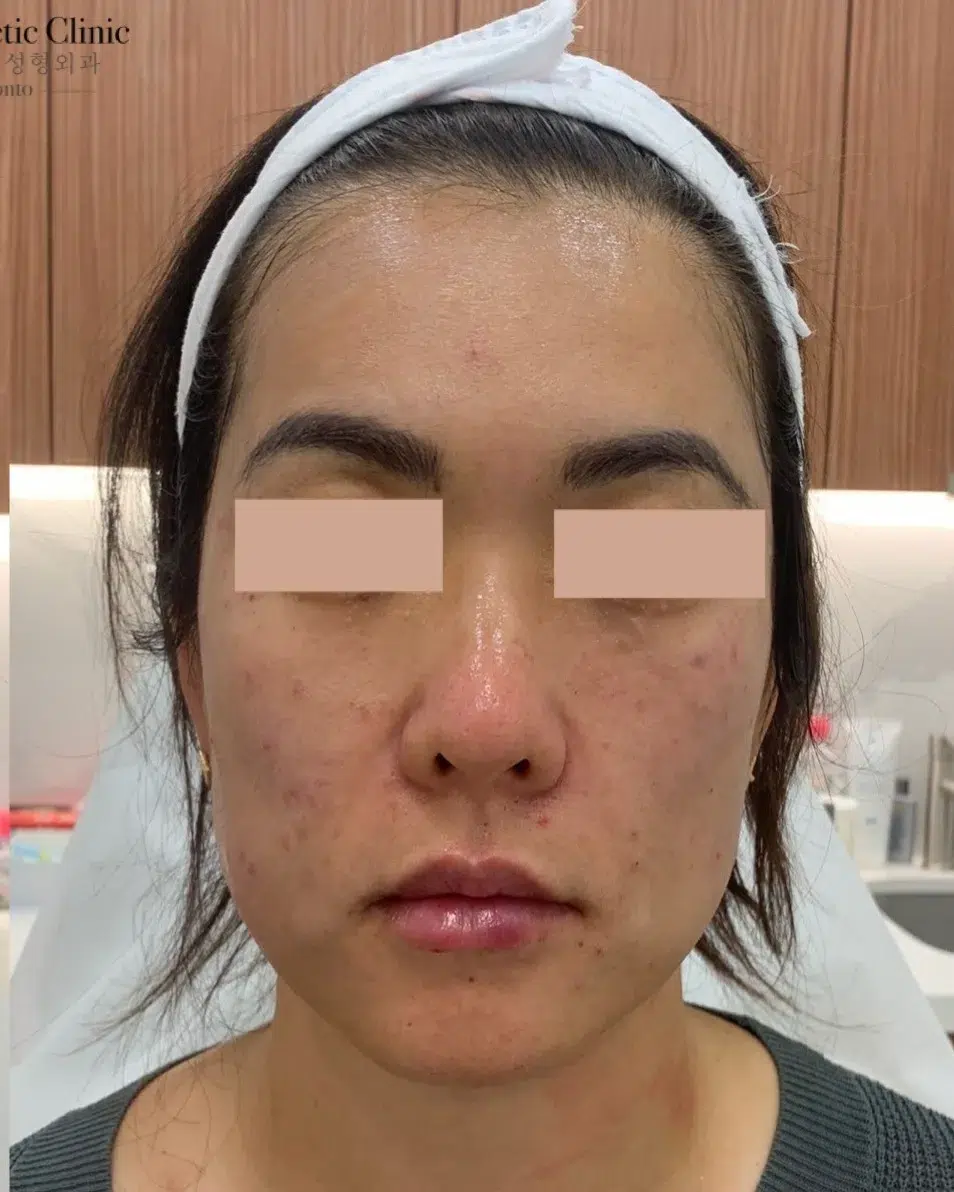
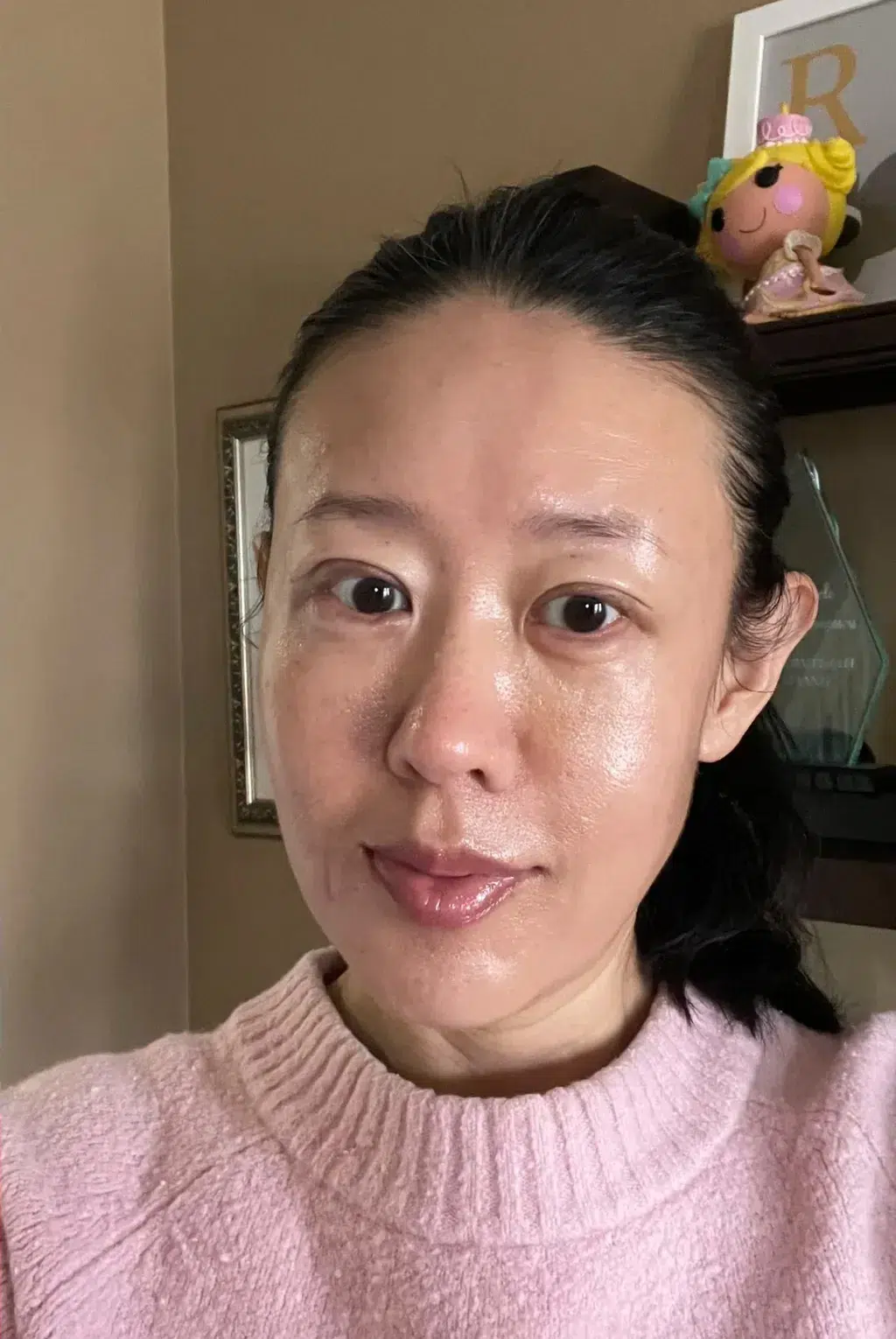
Case 1 · Volume Loss — Real Patient Record
- Patient profile
- Asian Female · Fitzpatrick IV
- Key concern
- Volume Loss (comprehensive improvement with multimodal combination protocol)
- treatment plan
- Filler Chin Augmentation + Filler Lip Augmentation + Hyaluronic acid filler + Juvéderm® and 5 other procedures (multiple sessions within 3 months)
- improvement outcomes
- Visible improvement in volume loss · Overall result looks natural
- post-inflammatory hyperpigmentation (PIH)
- No PIH
- maintenance
- Daily sun protection + monthly at-home skincare + quarterly clinical assessment
Case 01: Volume Loss — Before & After · Asian Female · Fitzpatrick IV · Multimodal combination approach led by our physician at Luowei Medical Aesthetics Clinic, Nanjing
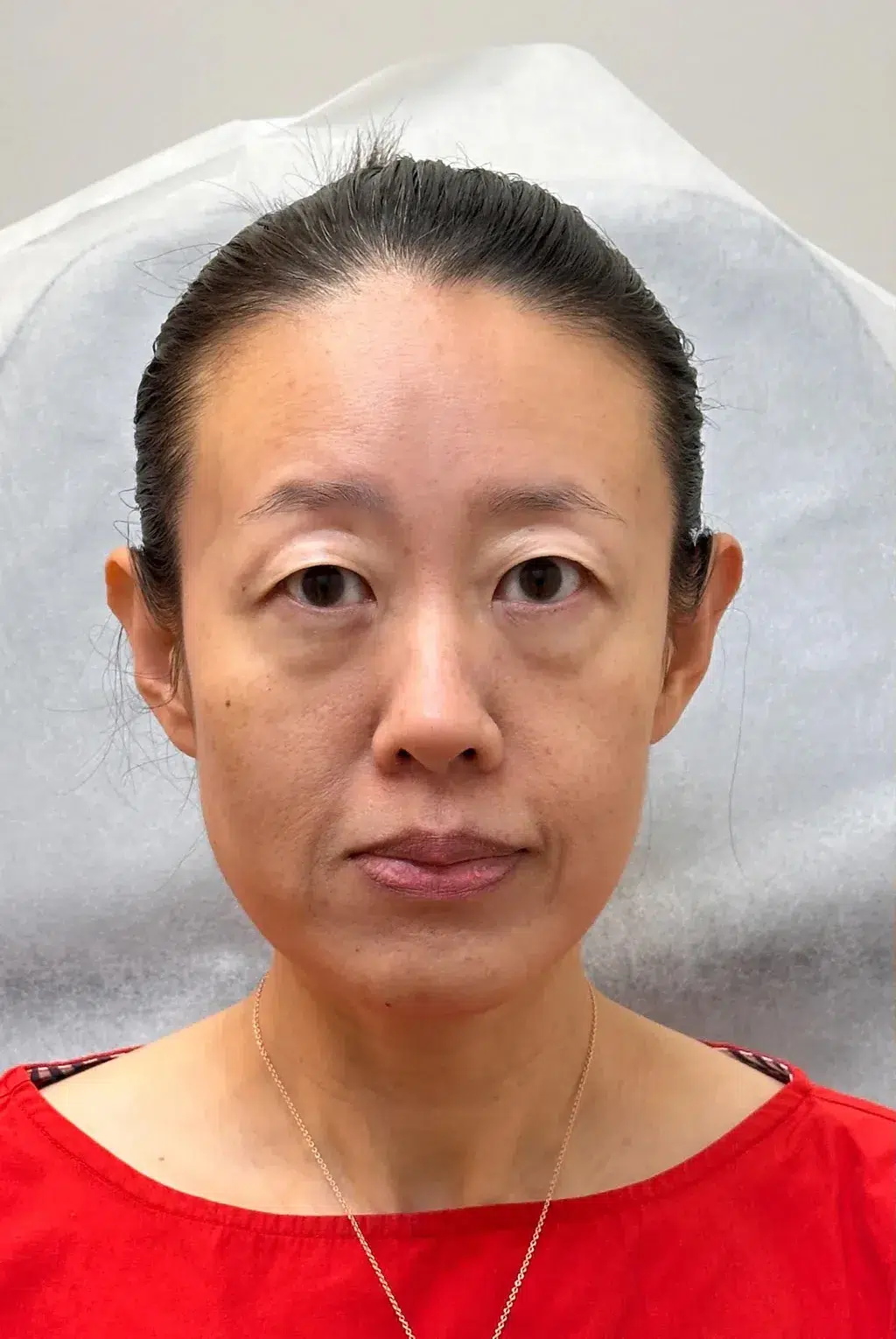
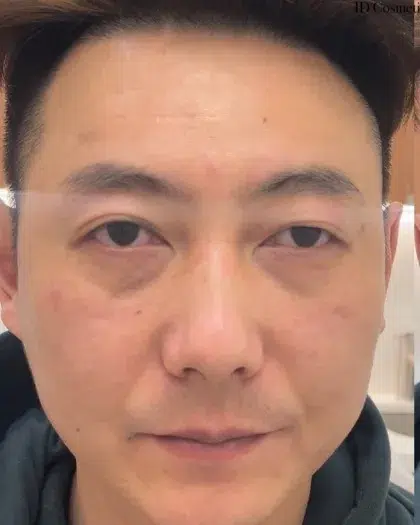
Case 2 · Volume Loss — Real Patient Record
- Patient profile
- Asian Female · Fitzpatrick IV
- Key concern
- Volume Loss (comprehensive improvement with multimodal combination protocol)
- treatment plan
- Thread Double Eyelid + Botox® + neuromodulator wrinkle treatment + hyaluronic acid filler, and 10 additional treatments (multiple sessions within 3 months)
- improvement outcomes
- Visible improvement in volume loss · Overall result looks natural
- post-inflammatory hyperpigmentation (PIH)
- No PIH
- maintenance
- Botox Micro-dose maintenance at 4 months + HA lip border reinforcement
Case 02: Volume Loss — Before & After · Asian Female · Fitzpatrick IV · Multimodal combination protocol led by our physician at Luowei Medical Aesthetics Clinic, Nanjing
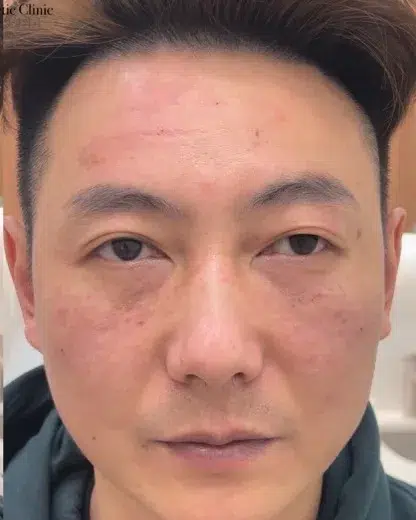
Case 3 · Volume Loss — Real Patient Record
- Patient profile
- Asian Female · Fitzpatrick IV
- Key concern
- Volume Loss (comprehensive improvement with multimodal combination protocol)
- treatment plan
- HArmonyCa™ hybrid filler + collagen stimulator (multiple sessions within 3 months)
- improvement outcomes
- Visible improvement in volume loss · Overall result looks natural
- post-inflammatory hyperpigmentation (PIH)
- No PIH
- maintenance
- Daily sun protection + monthly at-home skincare + quarterly clinical assessment
Case 03: Volume Loss — Before & After · Asian Female · Fitzpatrick IV · Multimodal combination plan led by our physician at Luowei Medical Aesthetics Clinic, Nanjing
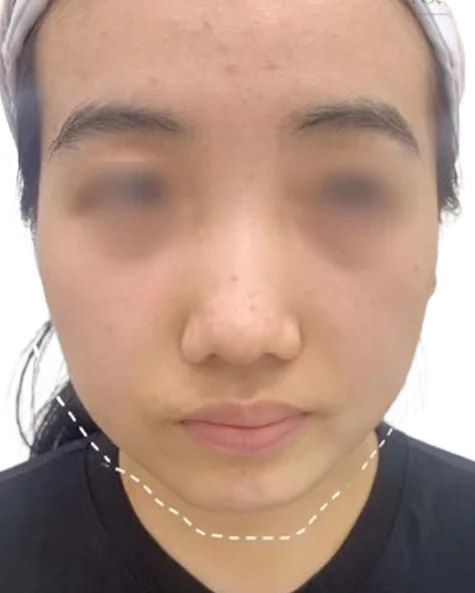
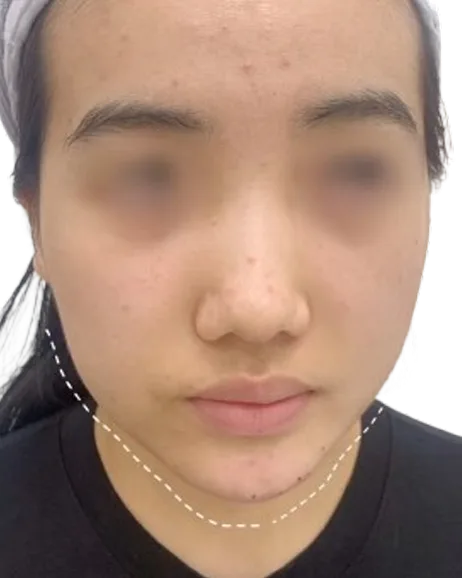
Case 4 · Volume Loss — Real Patient Record
- Patient profile
- Asian Female · Fitzpatrick IV
- Key concern
- Volume Loss (comprehensive improvement with multimodal combination protocol)
- treatment plan
- Chin filler augmentation + dermal fillers + Stylage® + perioral rejuvenation — 5 procedures (multiple sessions within 3 months)
- improvement outcomes
- Visible improvement in volume loss · Overall result looks natural
- post-inflammatory hyperpigmentation (PIH)
- No PIH
- maintenance
- 9-12 months later with a follow-up HA filler session
Case 04: Volume Loss — Before & After · Asian Female · Fitzpatrick IV · Multimodal combination approach led by our physician at Luowei Medical Aesthetics Clinic, Nanjing
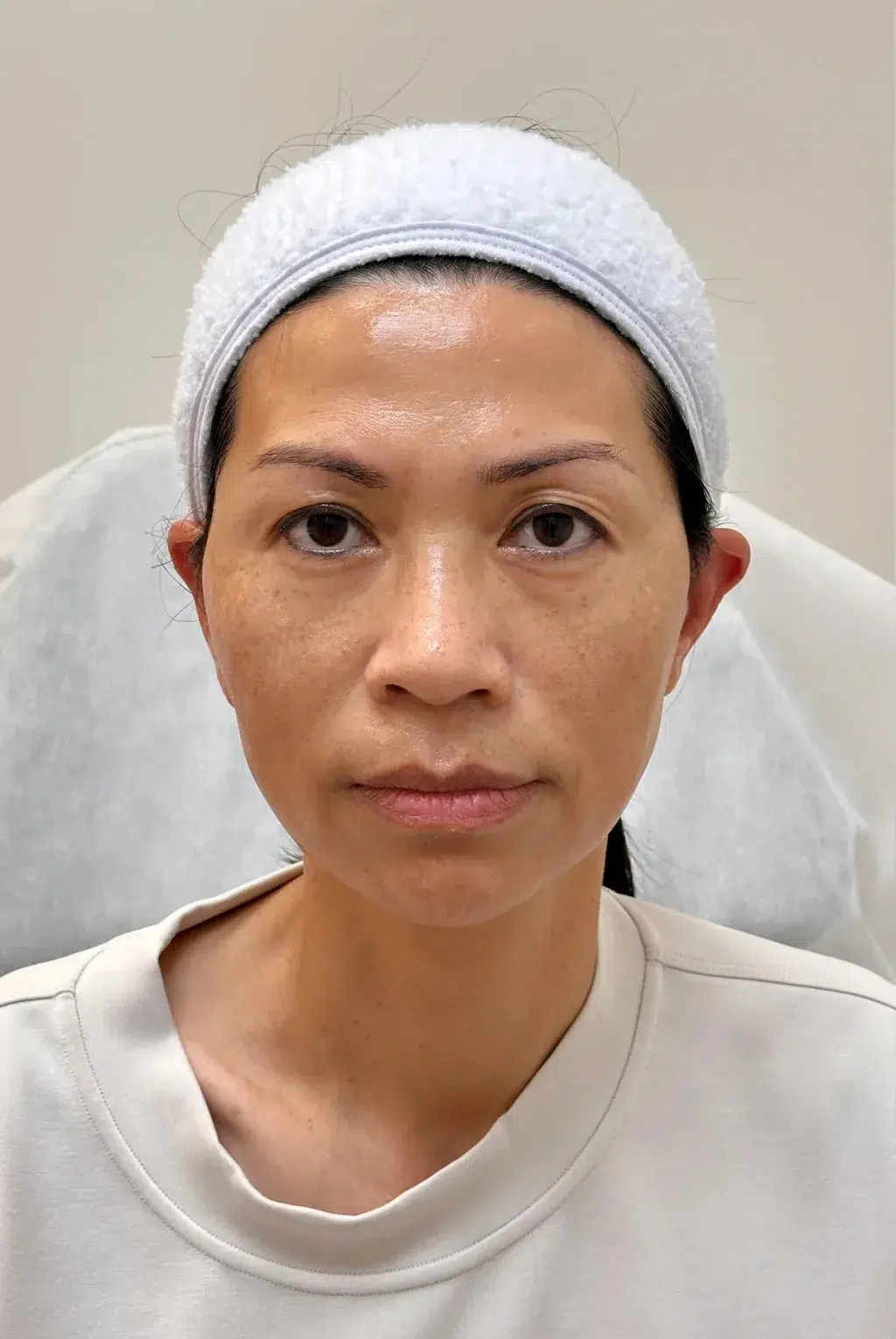
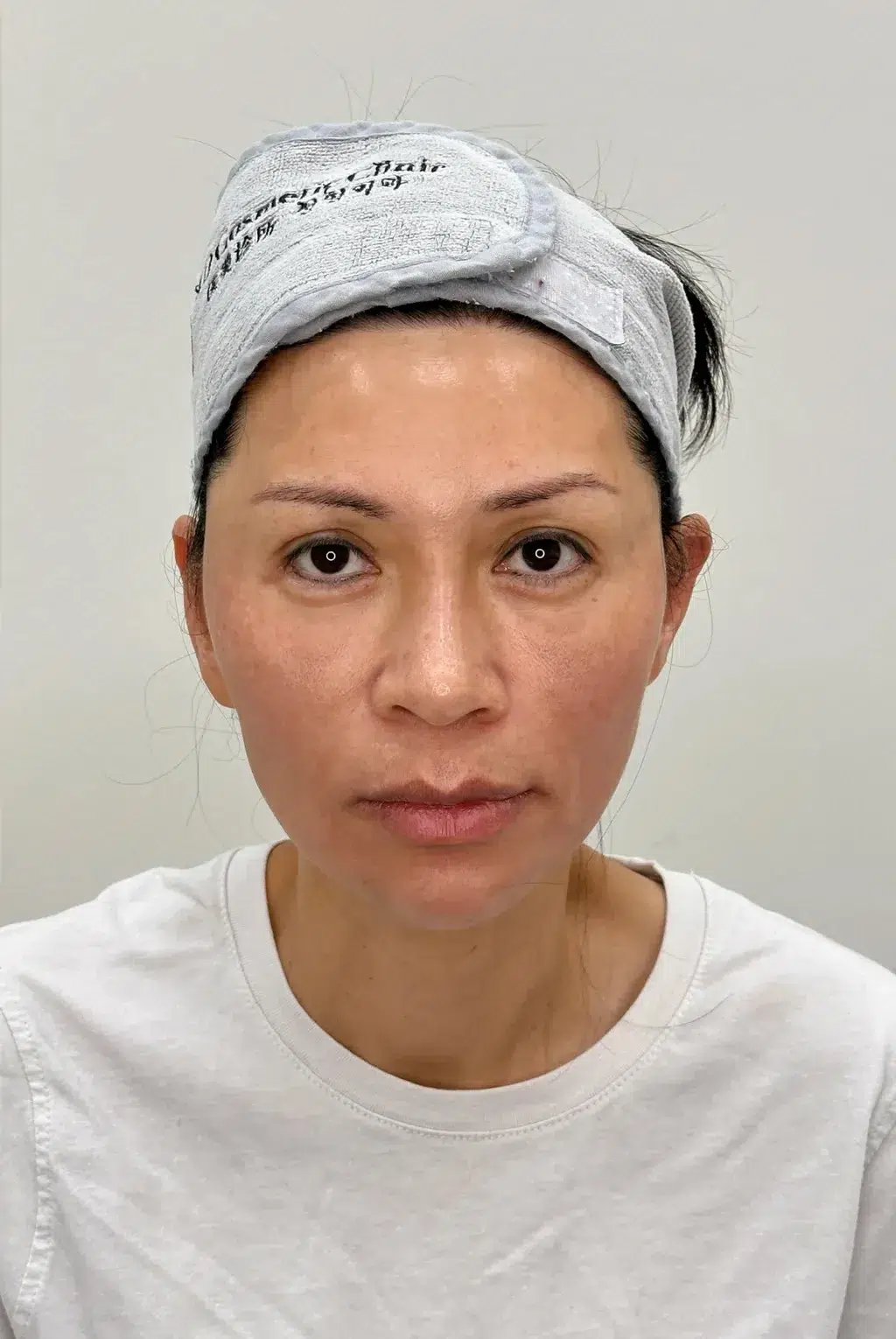
Case 5 · Volume Loss — Real Patient Record
- Patient profile
- Asian Female · Fitzpatrick IV
- Key concern
- Volume Loss (comprehensive improvement with multimodal combination protocol)
- treatment plan
- Dual picosecond combination treatment + PicoSure® + PicoSure Pro® and 9 other procedures (multiple sessions within 3 months)
- improvement outcomes
- Visible improvement in volume loss · Overall result looks natural
- post-inflammatory hyperpigmentation (PIH)
- No PIH
- maintenance
- Daily sun protection + monthly at-home skincare + quarterly clinical assessment
Case 05: Volume Loss — Before & After · Asian Female · Fitzpatrick IV · Multimodal combination protocol led by our physician at Luowei Medical Aesthetics Clinic, Nanjing
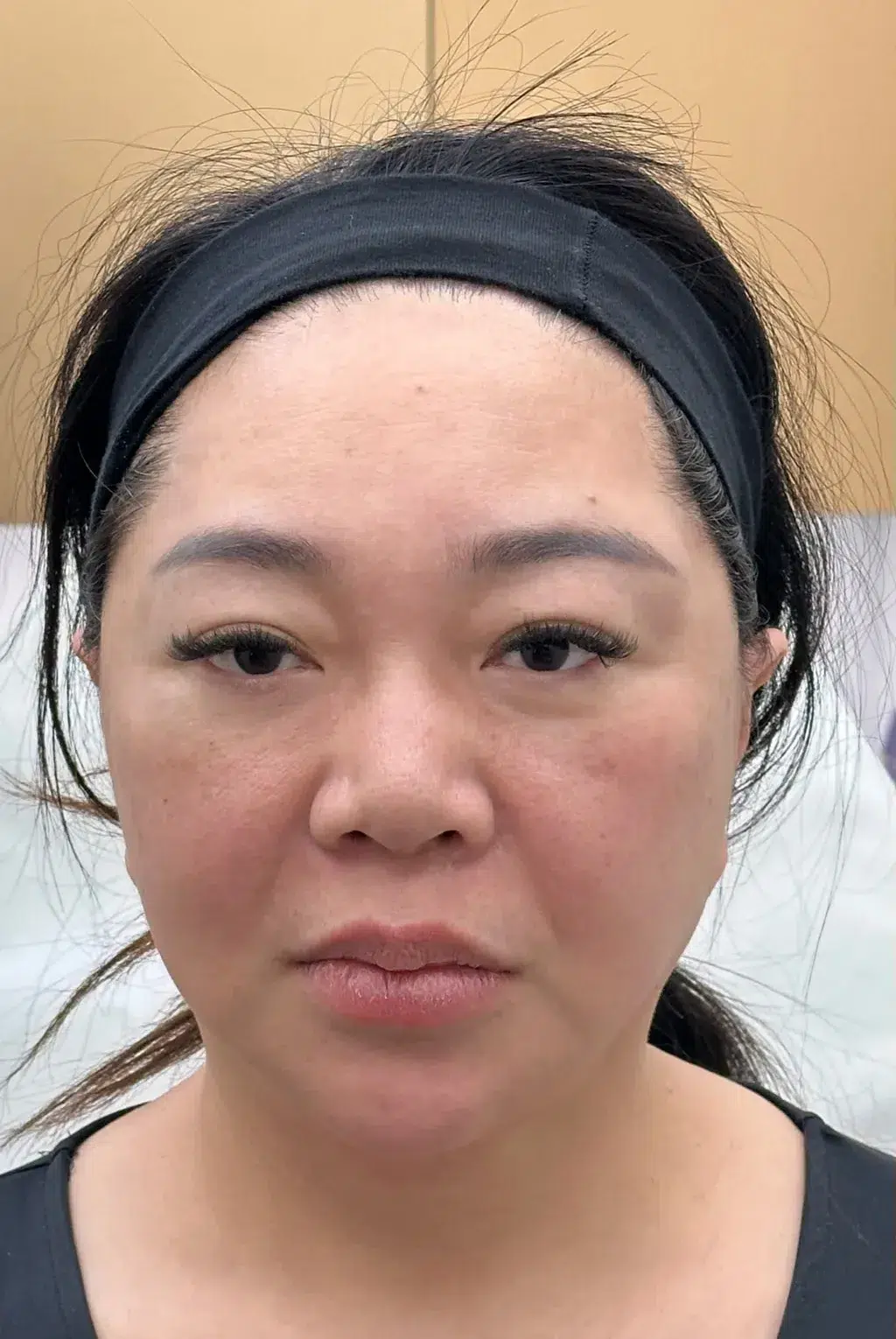
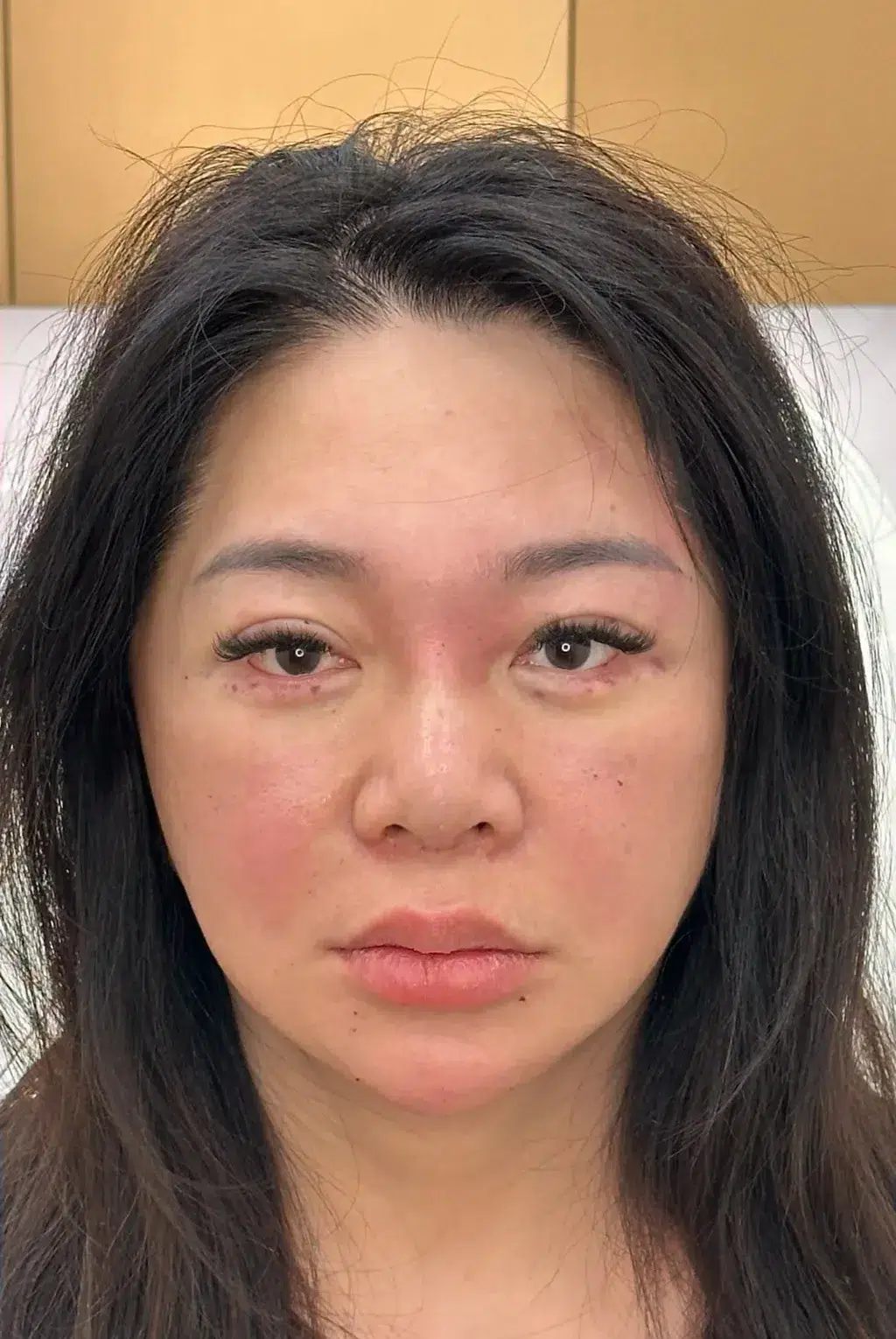
Case 8 · Volume Loss — Real Patient Record
- Patient profile
- Asian Female · Fitzpatrick I · Ongoing ~2–3 Years
- Key concern
- Volume Loss (comprehensive improvement with multimodal combination protocol)
- treatment plan
- Hyaluronic acid filler + periorbital rejuvenation / tear trough injection (multiple sessions within 3 months)
- improvement outcomes
- Visible improvement in volume loss · Overall result looks natural
- post-inflammatory hyperpigmentation (PIH)
- No PIH
- maintenance
- Follow-up every 6–12 months · Touch-up as needed + at-home eye cream for maintenance
Case 08: Volume Loss — Before & After · Asian Female · Fitzpatrick I · Ongoing ~2–3 Years · Multimodal combination approach led by our physician at Luowei Medical Aesthetics Clinic, Nanjing
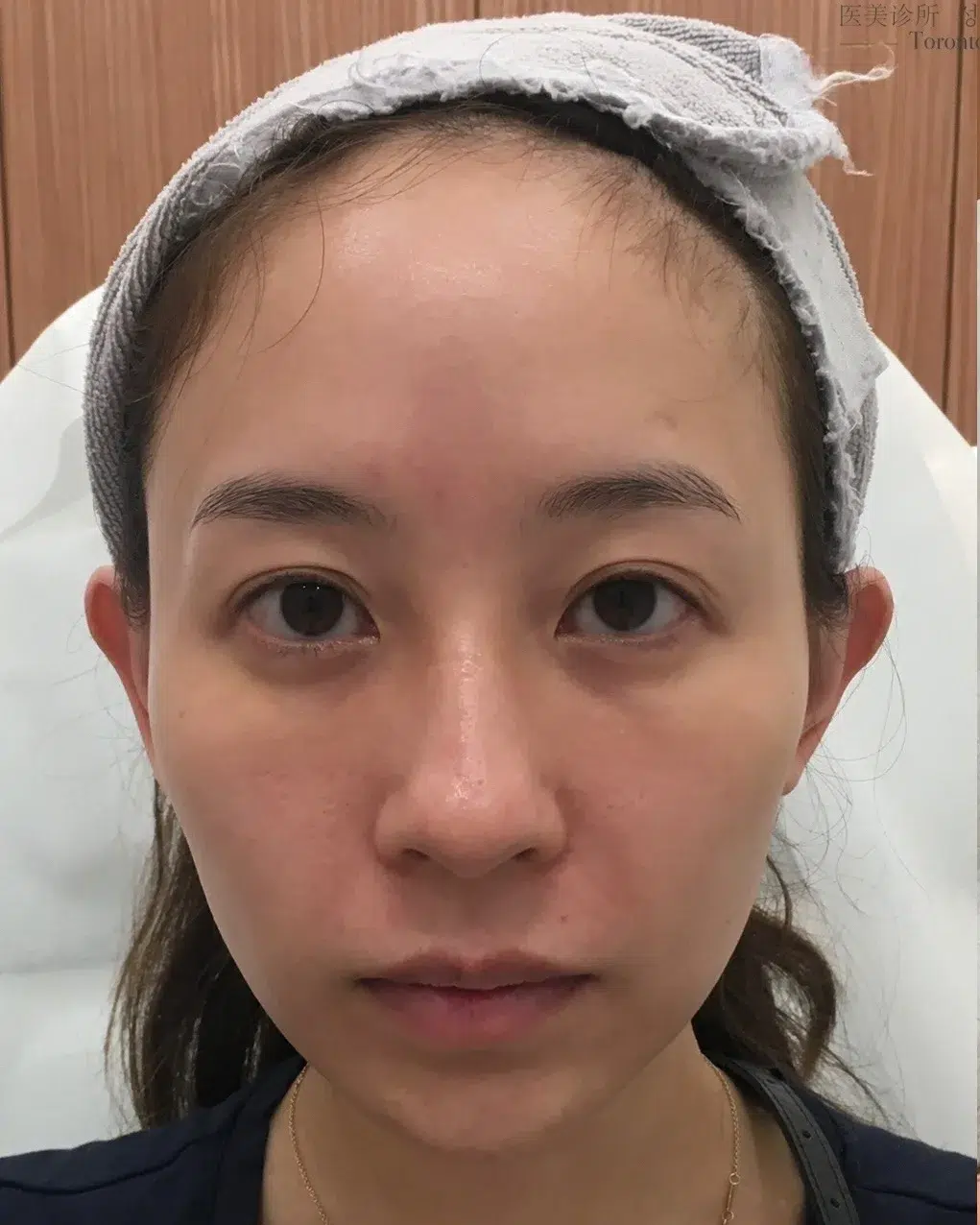
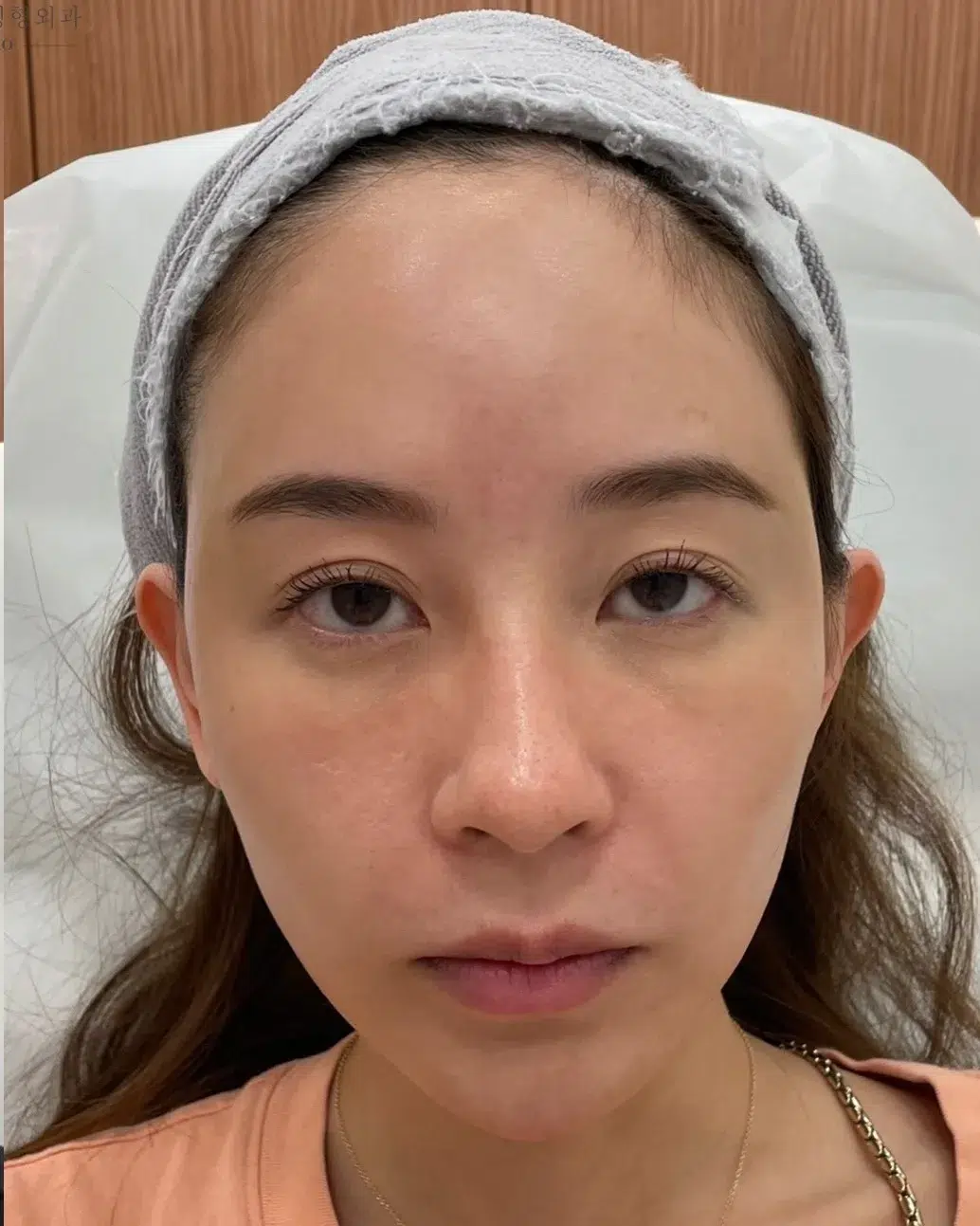
Case 8 · Volume Loss — Real Patient Record
- Patient profile
- Asian Female · Fitzpatrick IV
- Key concern
- Volume Loss (comprehensive improvement with multimodal combination protocol)
- treatment plan
- Filler Chin Augmentation + Filler Temple Augmentation + Juvéderm® + Teosyal® hyaluronic acid, and 3 additional treatments (multiple sessions within 3 months)
- improvement outcomes
- Visible improvement in volume loss · Overall result looks natural
- post-inflammatory hyperpigmentation (PIH)
- No PIH
- maintenance
- Daily sun protection + monthly at-home skincare + quarterly clinical assessment
Case 08: Volume Loss — Before & After · Asian Female · Fitzpatrick IV · Multimodal combination protocol led by our physician at Luowei Medical Aesthetics Clinic, Nanjing


Case 9 · Volume Loss — Real Patient Record
- Patient profile
- Asian Female · Fitzpatrick IV
- Key concern
- Volume Loss (comprehensive improvement with multimodal combination protocol)
- treatment plan
- Chin filler augmentation + dermal fillers + Stylage® + perioral rejuvenation — 5 procedures (multiple sessions within 3 months)
- improvement outcomes
- Visible improvement in volume loss · Overall result looks natural
- post-inflammatory hyperpigmentation (PIH)
- No PIH
- maintenance
- 9-12 months later with a follow-up HA filler session
Case 09: Volume Loss — Before & After · Asian Female · Fitzpatrick IV · Multimodal combination plan led by our physician at Luowei Medical Aesthetics Clinic, Nanjing
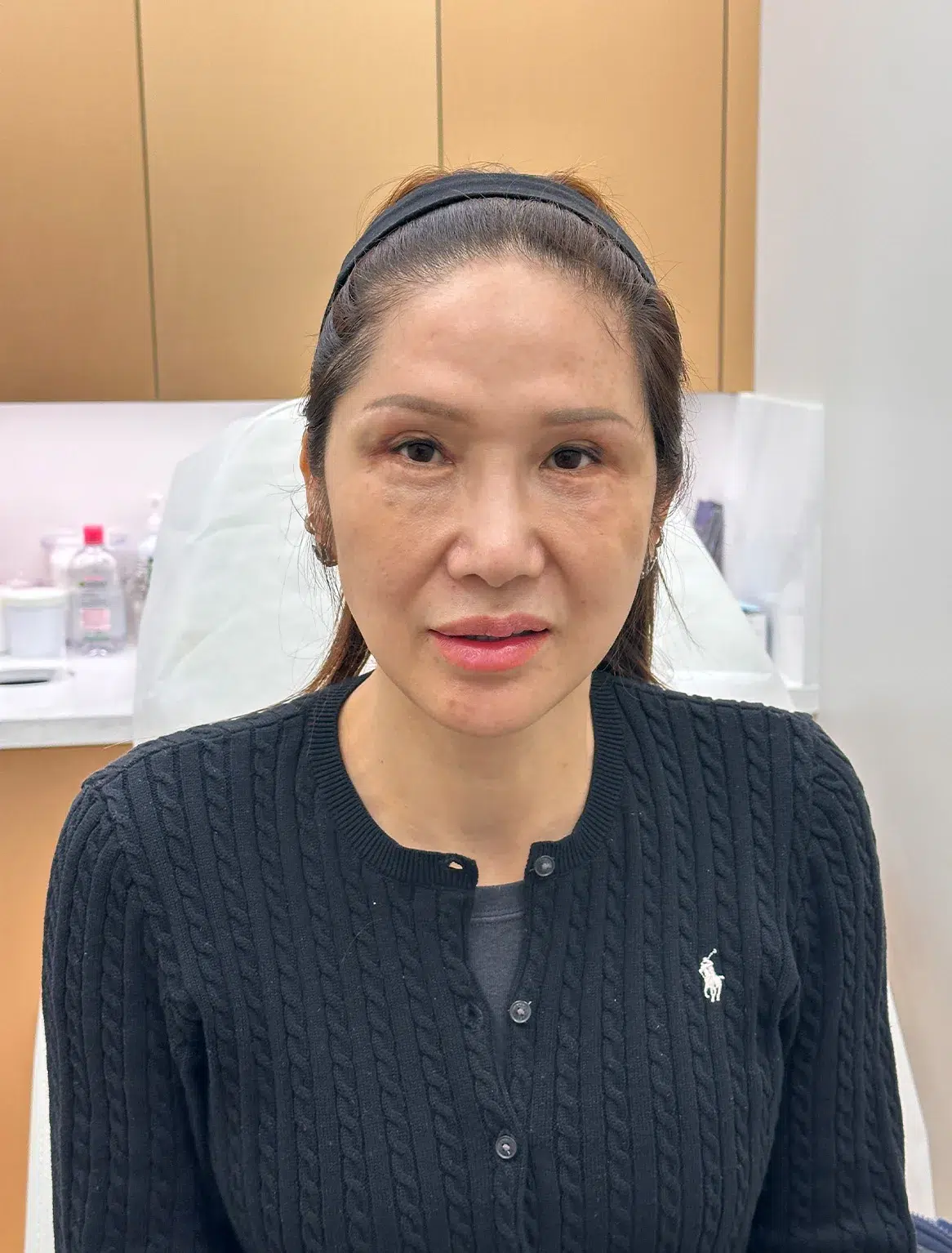
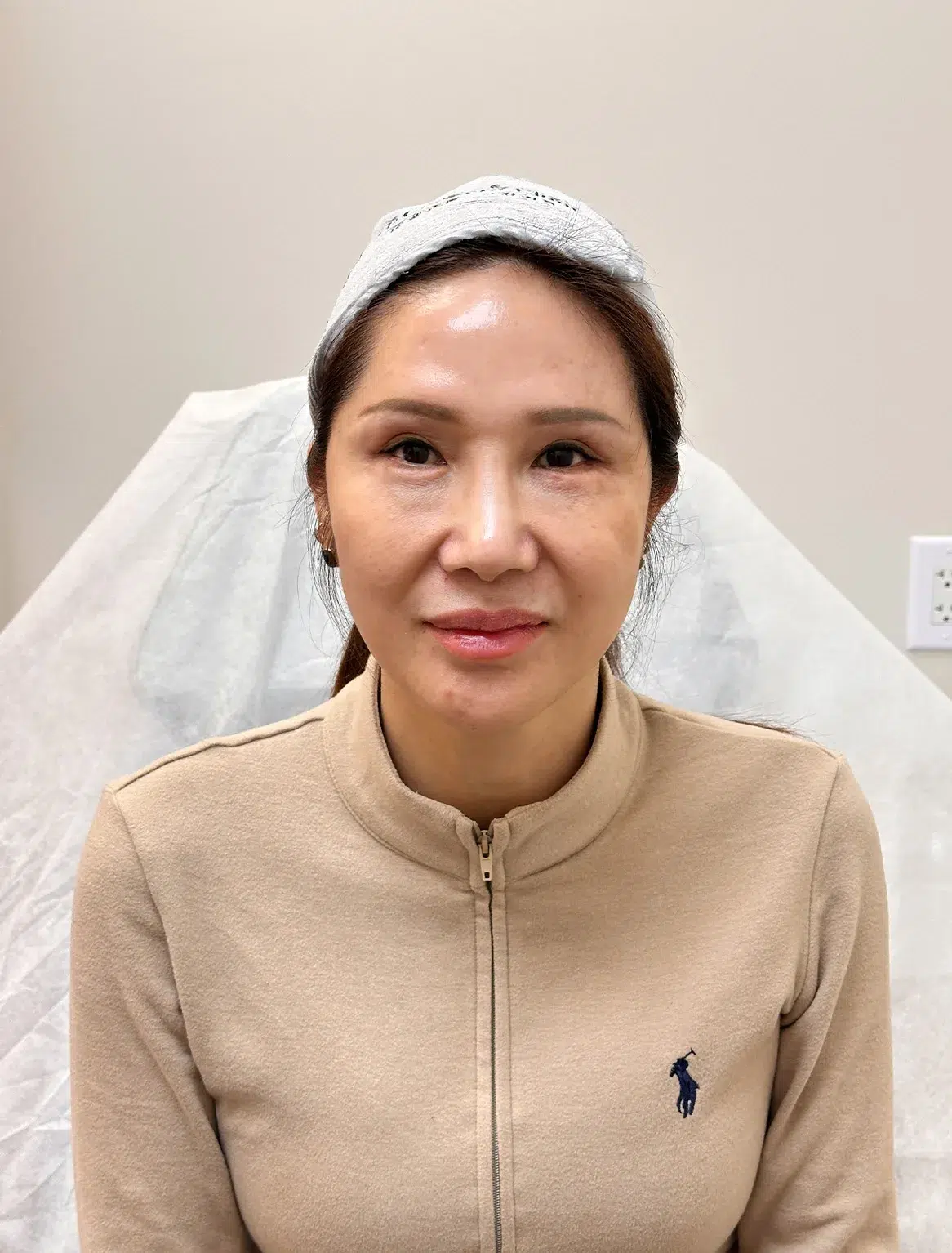
Case 10 · Volume Loss — Real Patient Record
- Patient profile
- Asian Female · Fitzpatrick I · Ongoing ~2–3 Years
- Key concern
- Volume Loss (comprehensive improvement with multimodal combination protocol)
- treatment plan
- Hyaluronic acid filler + periorbital rejuvenation / tear trough injection (multiple sessions within 3 months)
- improvement outcomes
- Visible improvement in volume loss · Overall result looks natural
- post-inflammatory hyperpigmentation (PIH)
- No PIH
- maintenance
- Follow-up every 6–12 months · Touch-up as needed + at-home eye cream for maintenance
Case 10: Volume Loss — Before & After · Asian Female · Fitzpatrick I · Duration: approx. 2–3 years · Multimodal combination plan led by our physician at Luowei Medical Aesthetics Clinic, Nanjing
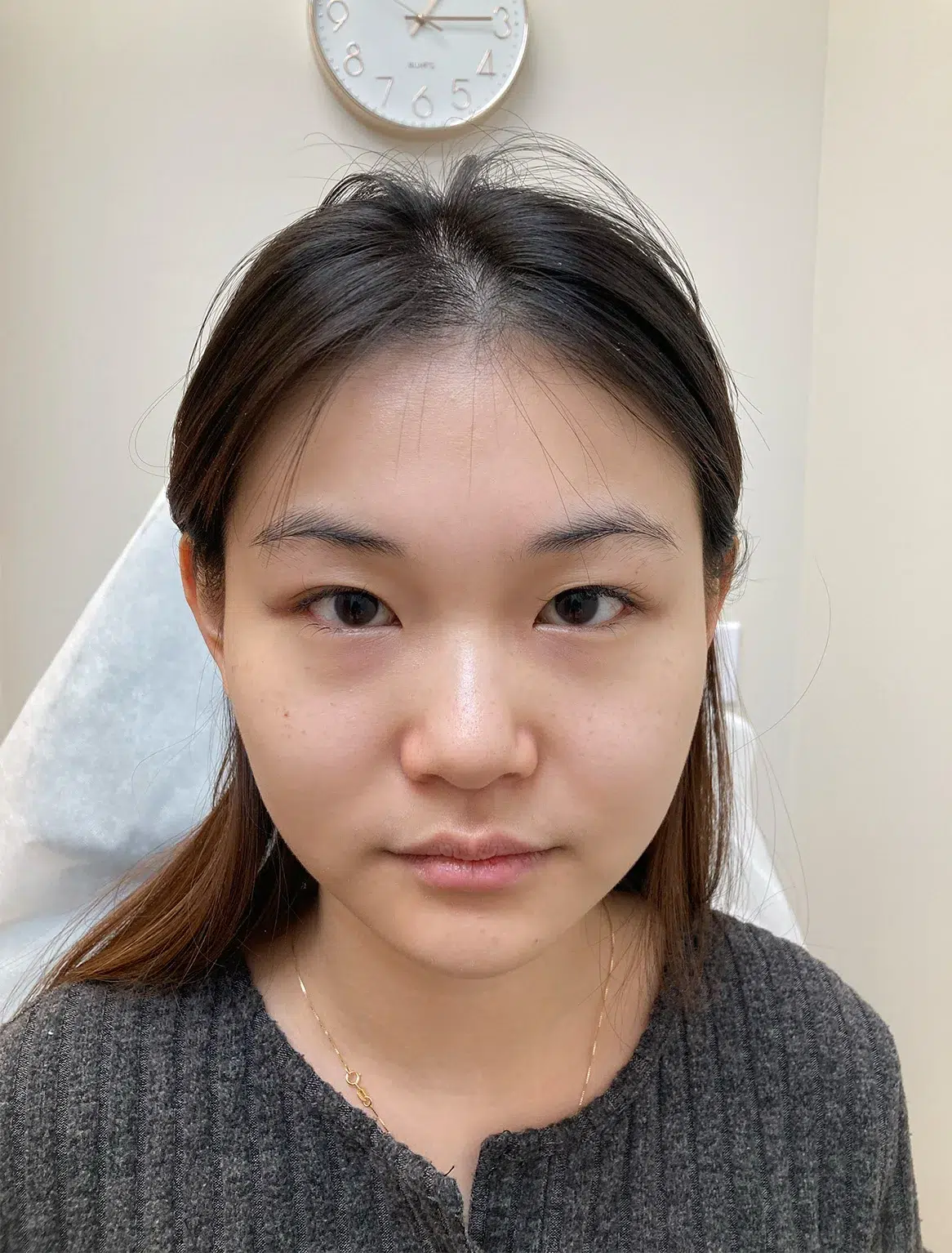
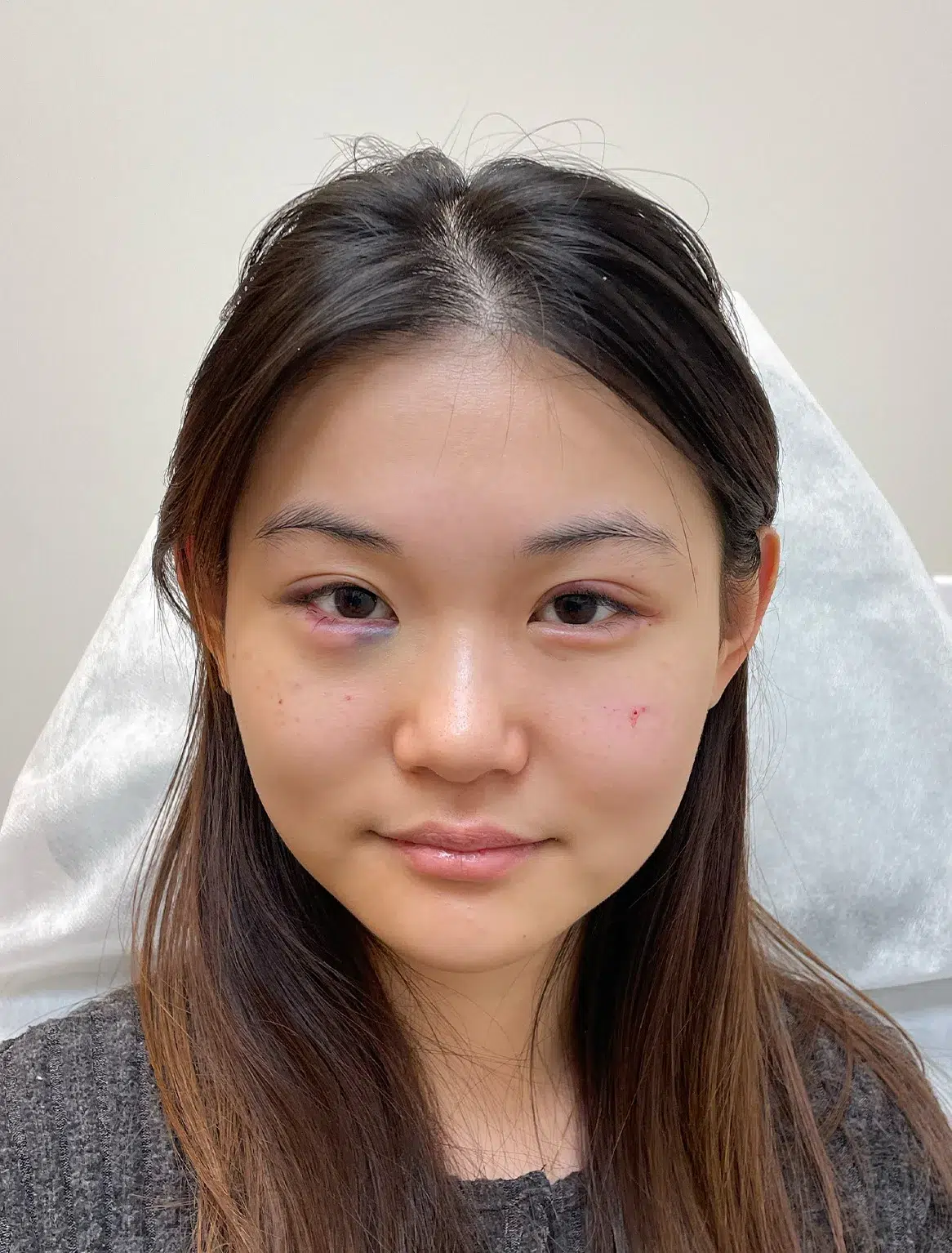
Case 13 · Volume Loss — Real Patient Record
- Patient profile
- Asian Female · Fitzpatrick I · Ongoing ~2–3 Years
- Key concern
- Volume Loss (comprehensive improvement with multimodal combination protocol)
- treatment plan
- Hyaluronic acid filler + periorbital rejuvenation / tear trough injection (multiple sessions within 3 months)
- improvement outcomes
- Visible improvement in volume loss · Overall result looks natural
- post-inflammatory hyperpigmentation (PIH)
- No PIH
- maintenance
- Follow-up every 6–12 months · Touch-up as needed + at-home eye cream for maintenance
Case 13: Volume Loss — Before & After · Asian Female · Fitzpatrick I · Ongoing ~2–3 Years · Multimodal combination approach led by our physician at Luowei Medical Aesthetics Clinic, Nanjing
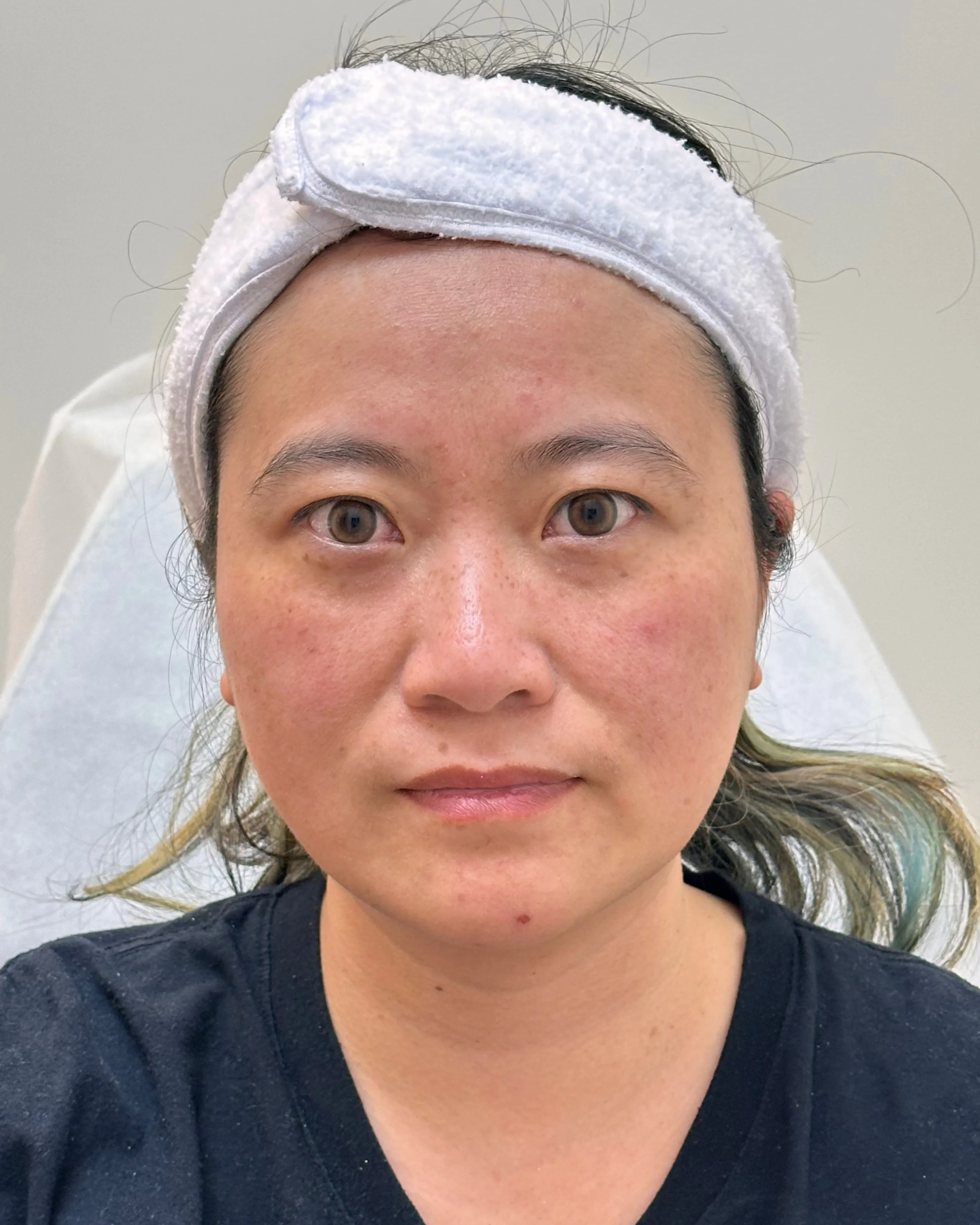
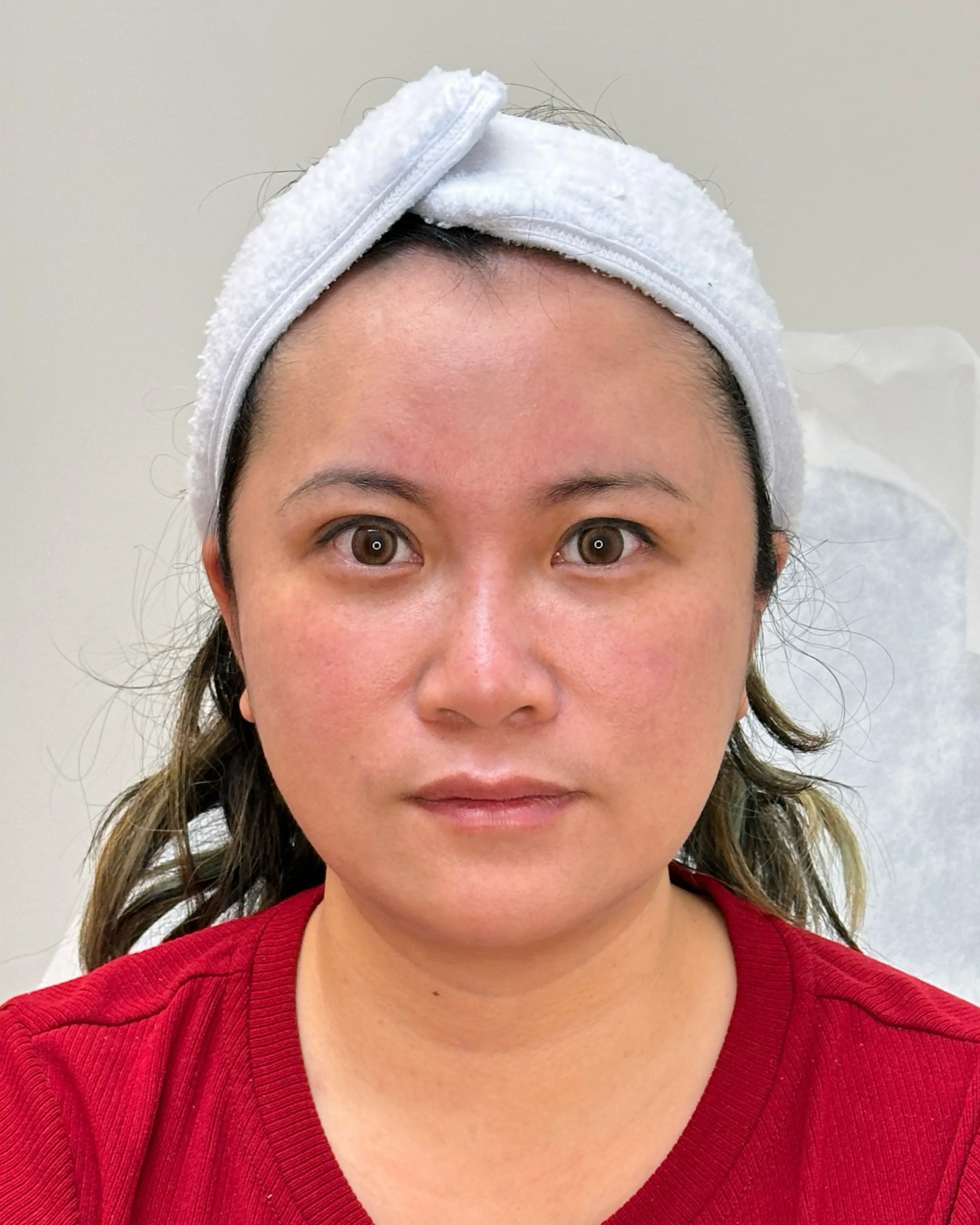
Case 14 · Volume Loss — Real Patient Record
- Patient profile
- Asian Female · Fitzpatrick IV
- Key concern
- Volume Loss (comprehensive improvement with multimodal combination protocol)
- treatment plan
- PicoSure® + PicoSure Pro® + PicoWay® + Thread Double Eyelid, and 12 additional treatments (multiple sessions within 3 months)
- improvement outcomes
- Visible improvement in volume loss · Overall result looks natural
- post-inflammatory hyperpigmentation (PIH)
- No PIH
- maintenance
- Botox Micro-dose maintenance at 4 months + HA lip border reinforcement
Case 14: Volume Loss — Before & After · Asian Female · Fitzpatrick IV · Multimodal combination approach led by our physician at Luowei Medical Aesthetics Clinic, Nanjing
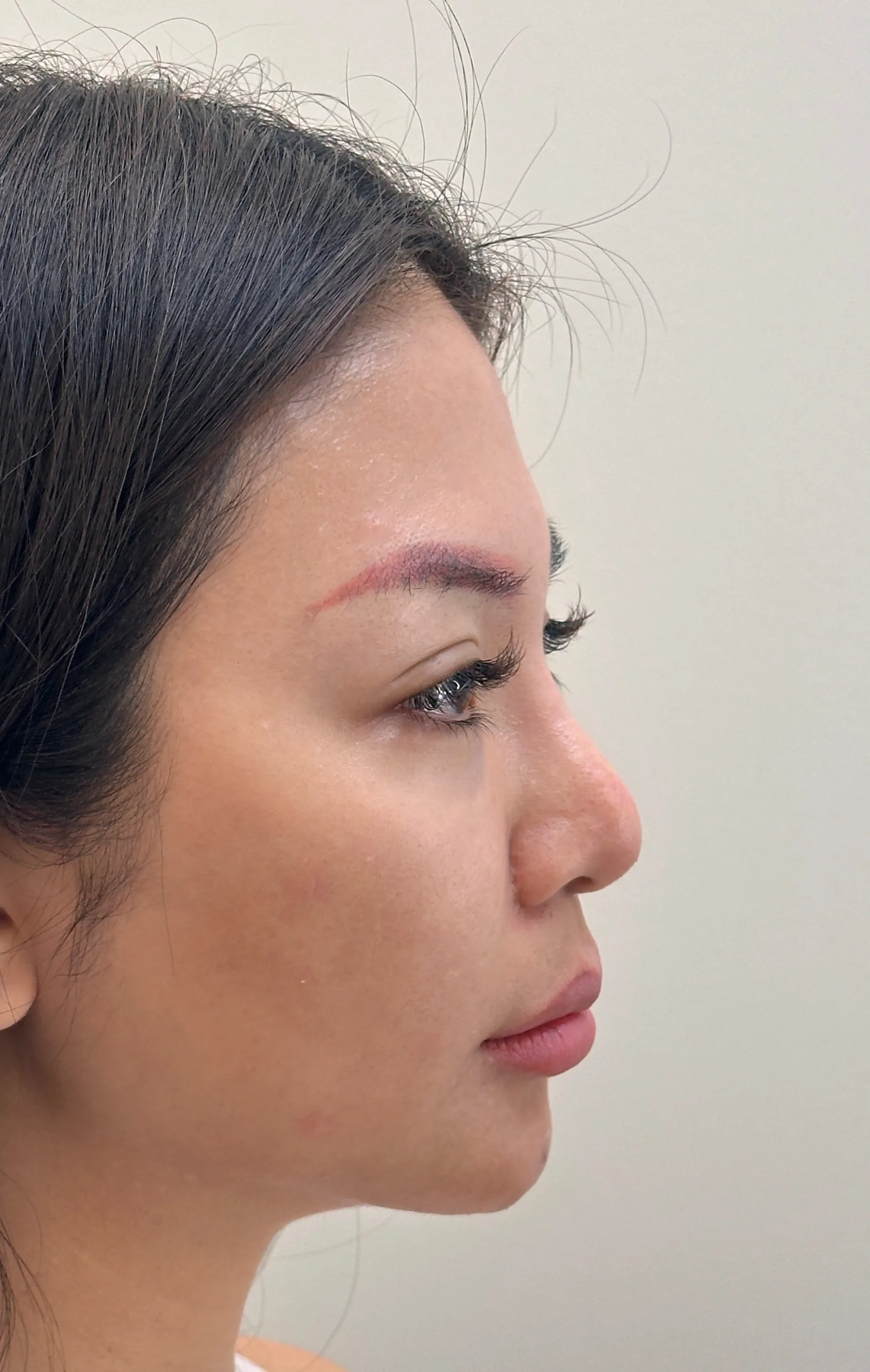
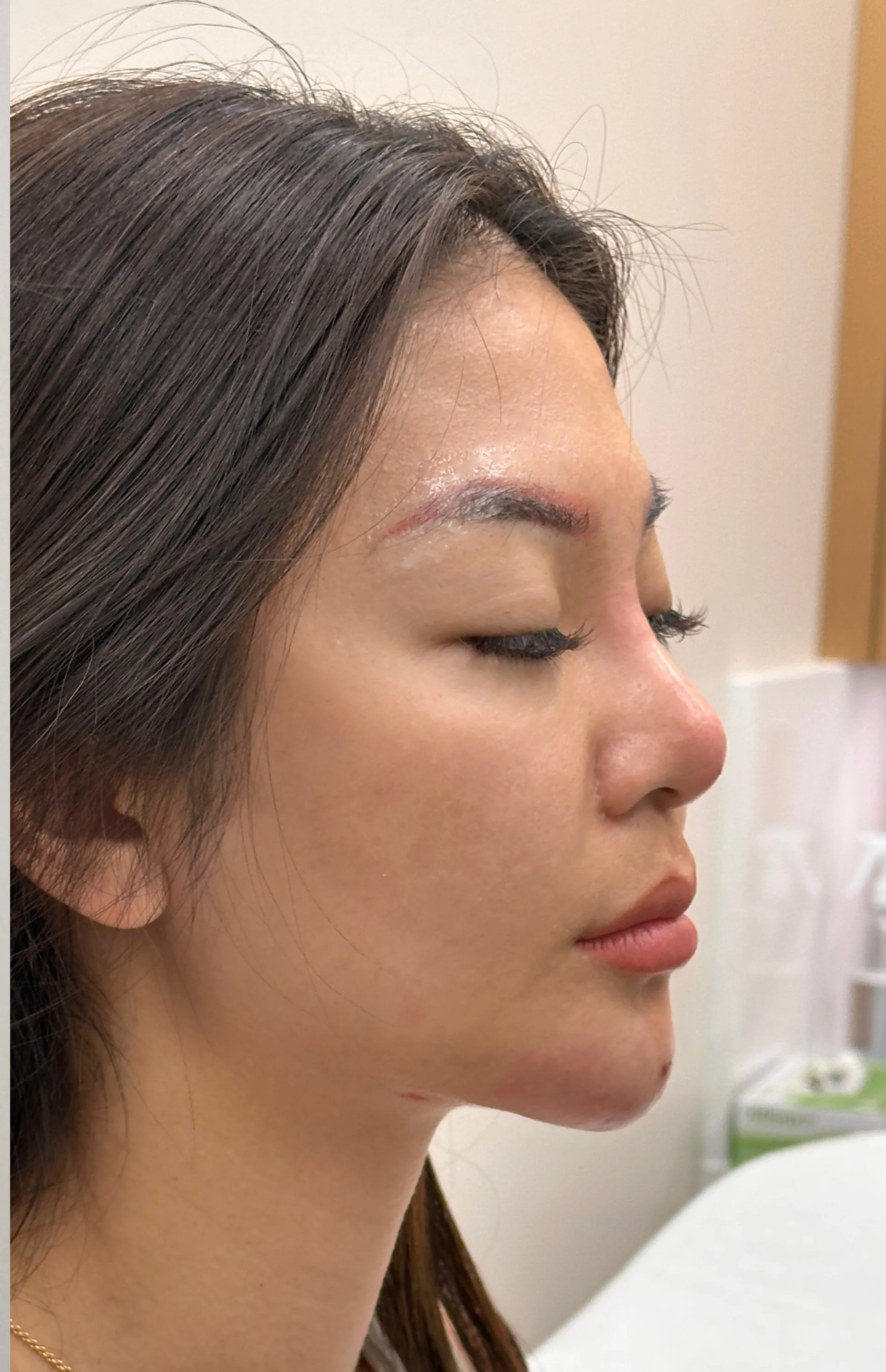
Case 14 · Volume Loss — Real Patient Record
- Patient profile
- Asian Female · Fitzpatrick IV
- Key concern
- Volume Loss (comprehensive improvement with multimodal combination protocol)
- treatment plan
- Chin filler augmentation + Filler Chin Augmentation + dermal fillers + Juvéderm® — 6 procedures (multiple sessions within 3 months)
- improvement outcomes
- Visible improvement in volume loss · Overall result looks natural
- post-inflammatory hyperpigmentation (PIH)
- No PIH
- maintenance
- Botox Micro-dose maintenance at 4 months + HA lip border reinforcement
Case 14: Volume Loss — Before & After · Asian Female · Fitzpatrick IV · Multimodal combination approach led by our physician at Luowei Medical Aesthetics Clinic, Nanjing
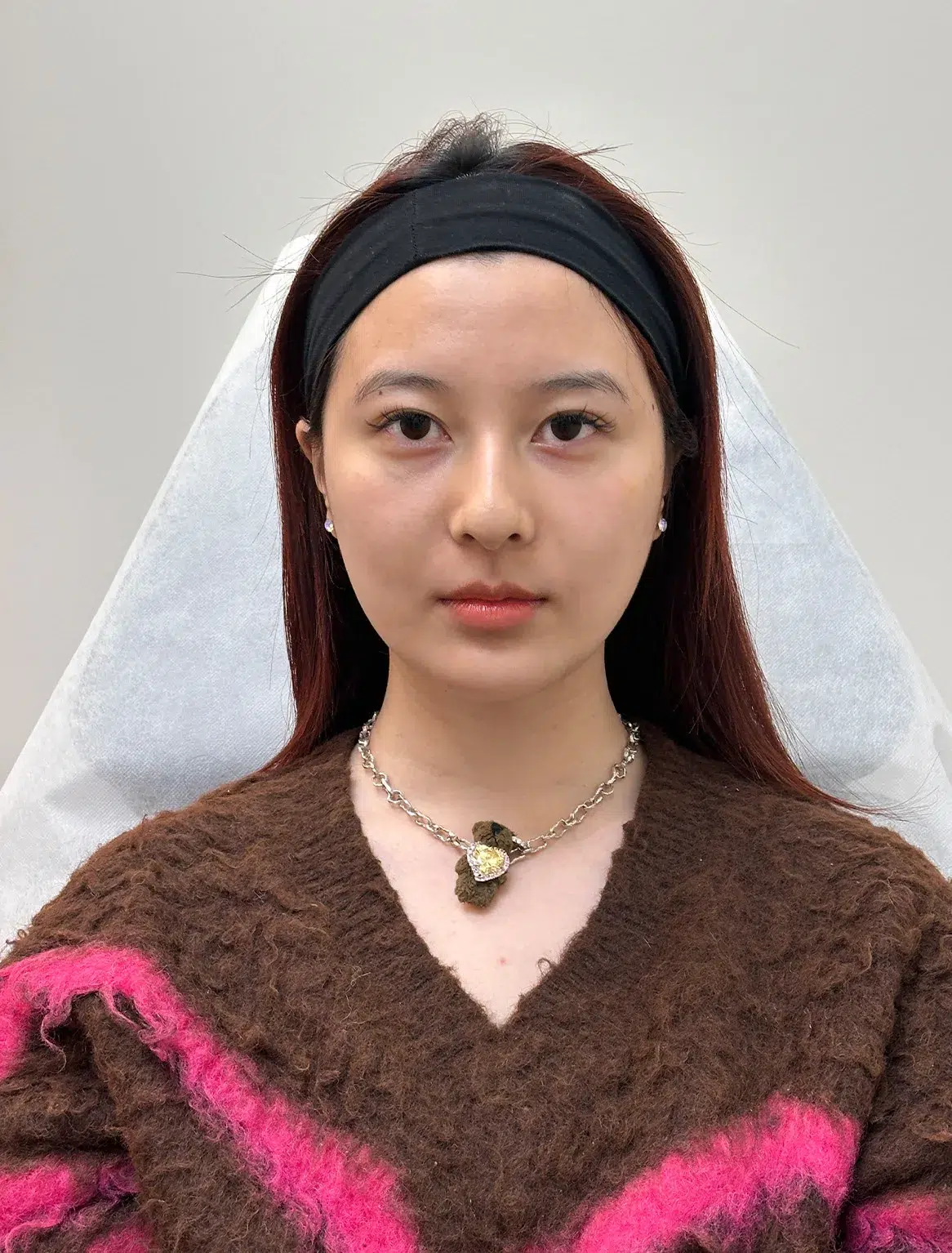

Case 14 · Volume Loss — Real Patient Record
- Patient profile
- Asian Female · Fitzpatrick I · Ongoing ~2–3 Years
- Key concern
- Volume Loss (comprehensive improvement with multimodal combination protocol)
- treatment plan
- Hyaluronic acid filler + periorbital rejuvenation / tear trough injection (multiple sessions within 3 months)
- improvement outcomes
- Visible improvement in volume loss · Overall result looks natural
- post-inflammatory hyperpigmentation (PIH)
- No PIH
- maintenance
- Follow-up every 6–12 months · Touch-up as needed + at-home eye cream for maintenance
Case 14: Volume Loss — Before & After · Asian Female · Fitzpatrick I · Progression over approximately 2–3 years · Multimodal combination protocol led by our physician at Luowei Medical Aesthetics Clinic, Nanjing
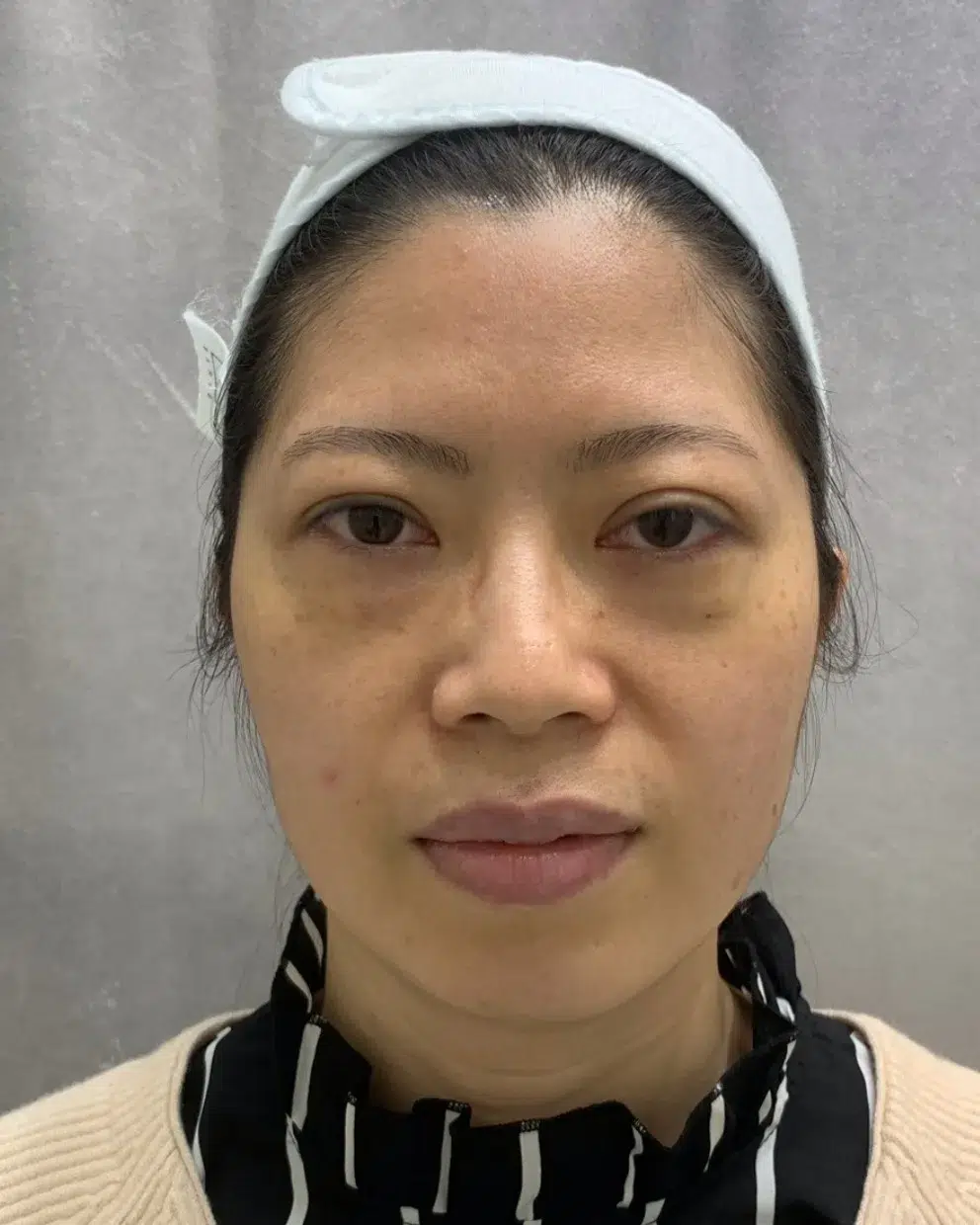
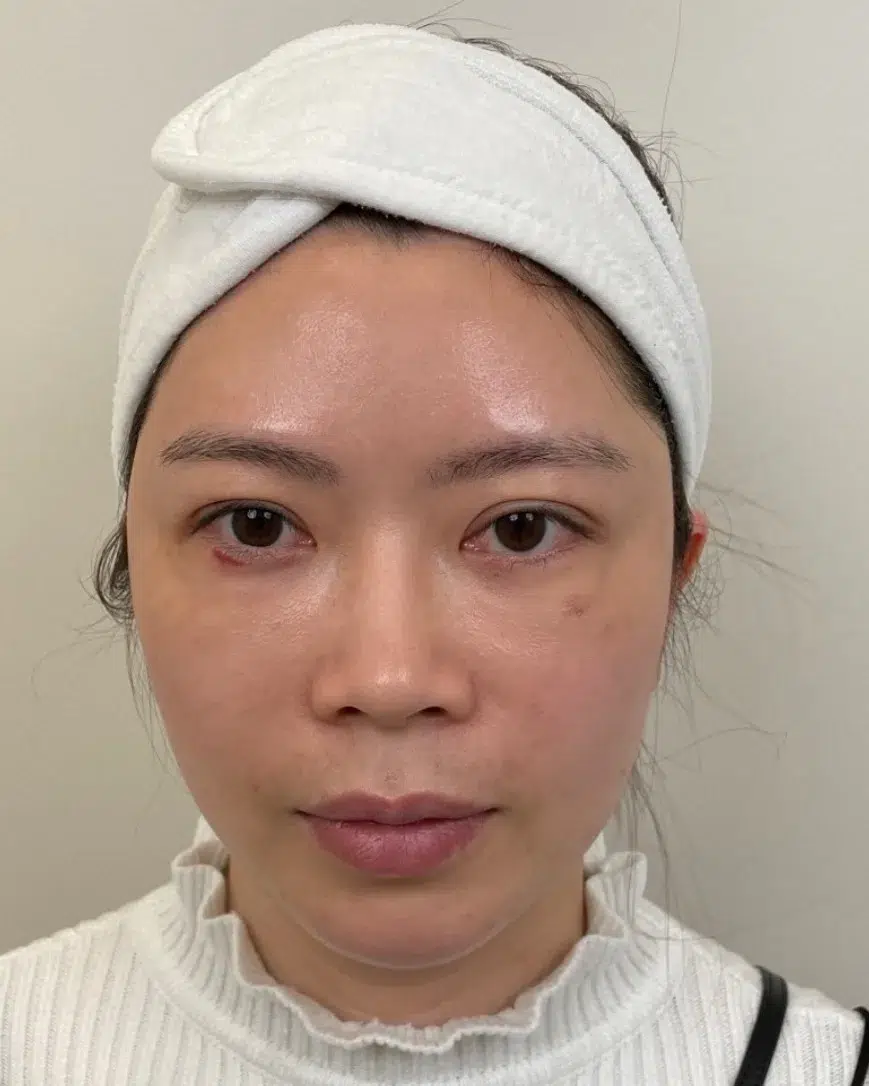
Case 16 · Volume Loss — Real Patient Record
- Patient profile
- Asian Female · Fitzpatrick IV · Noticeable progression over approximately 1–2 years
- Key concern
- Volume Loss (comprehensive improvement with multimodal combination protocol)
- treatment plan
- Pico® Skin brightening & rejuvenation + PicoSure® + PicoSure Pro® + PicoWay® — 12 procedures (multiple sessions within 3 months)
- improvement outcomes
- Visible improvement in volume loss · Overall result looks natural
- post-inflammatory hyperpigmentation (PIH)
- No PIH
- maintenance
- Daily sun protection + monthly at-home skincare + quarterly clinical assessment
Case 16: Volume Loss — Before & After · Asian Female · Fitzpatrick IV · Noticeable progression over approximately 1–2 years · Multimodal combination protocol led by our physician at Luowei Medical Aesthetics Clinic, Nanjing
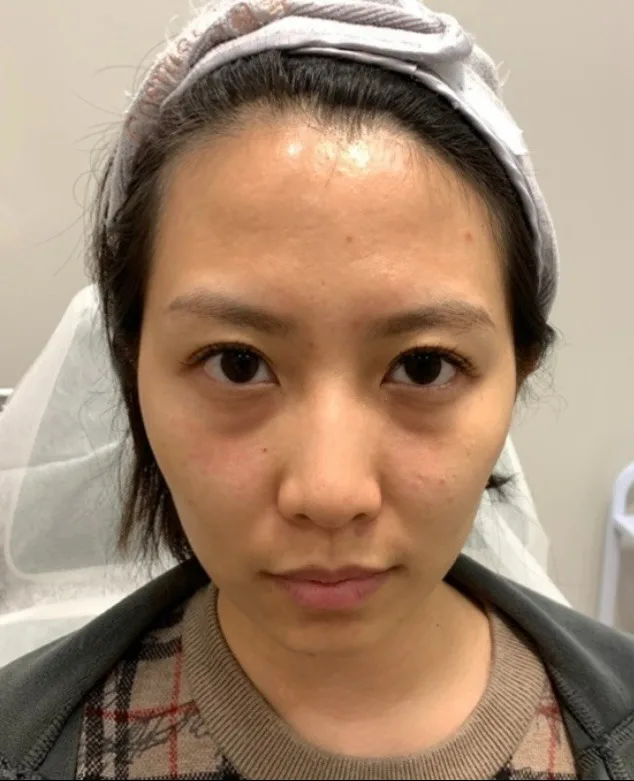
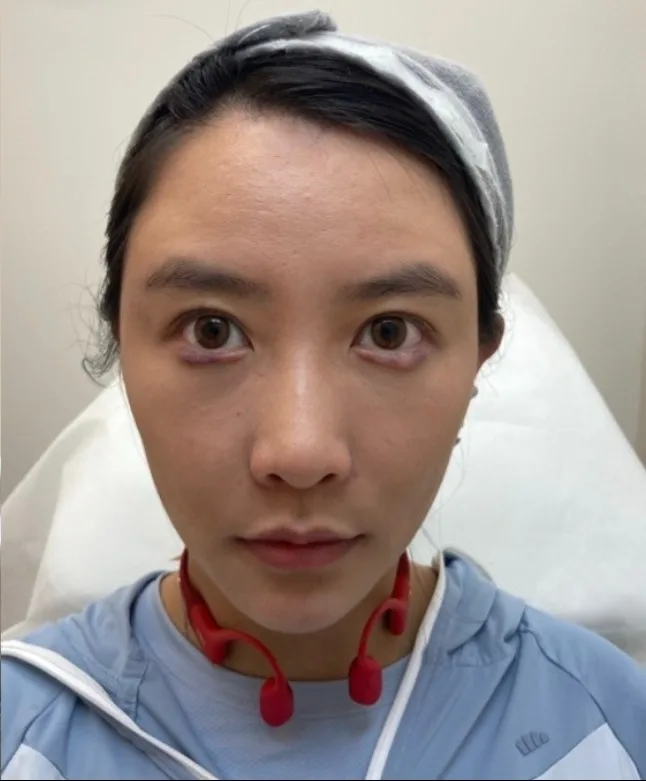
Case 17 · Volume Loss — Real Patient Record
- Patient profile
- Asian Female · Fitzpatrick IV
- Key concern
- Volume Loss (comprehensive improvement with multimodal combination protocol)
- treatment plan
- Filler Chin Augmentation + Filler Lip Augmentation + Filler Temple Augmentation and 10 other procedures (multiple sessions within 3 months)
- improvement outcomes
- Visible improvement in volume loss · Overall result looks natural
- post-inflammatory hyperpigmentation (PIH)
- No PIH
- maintenance
- Daily sun protection + monthly at-home skincare + quarterly clinical assessment
Case 17: Volume Loss — Before & After · Asian Female · Fitzpatrick IV · Multimodal combination protocol led by our physician at Luowei Medical Aesthetics Clinic, Nanjing
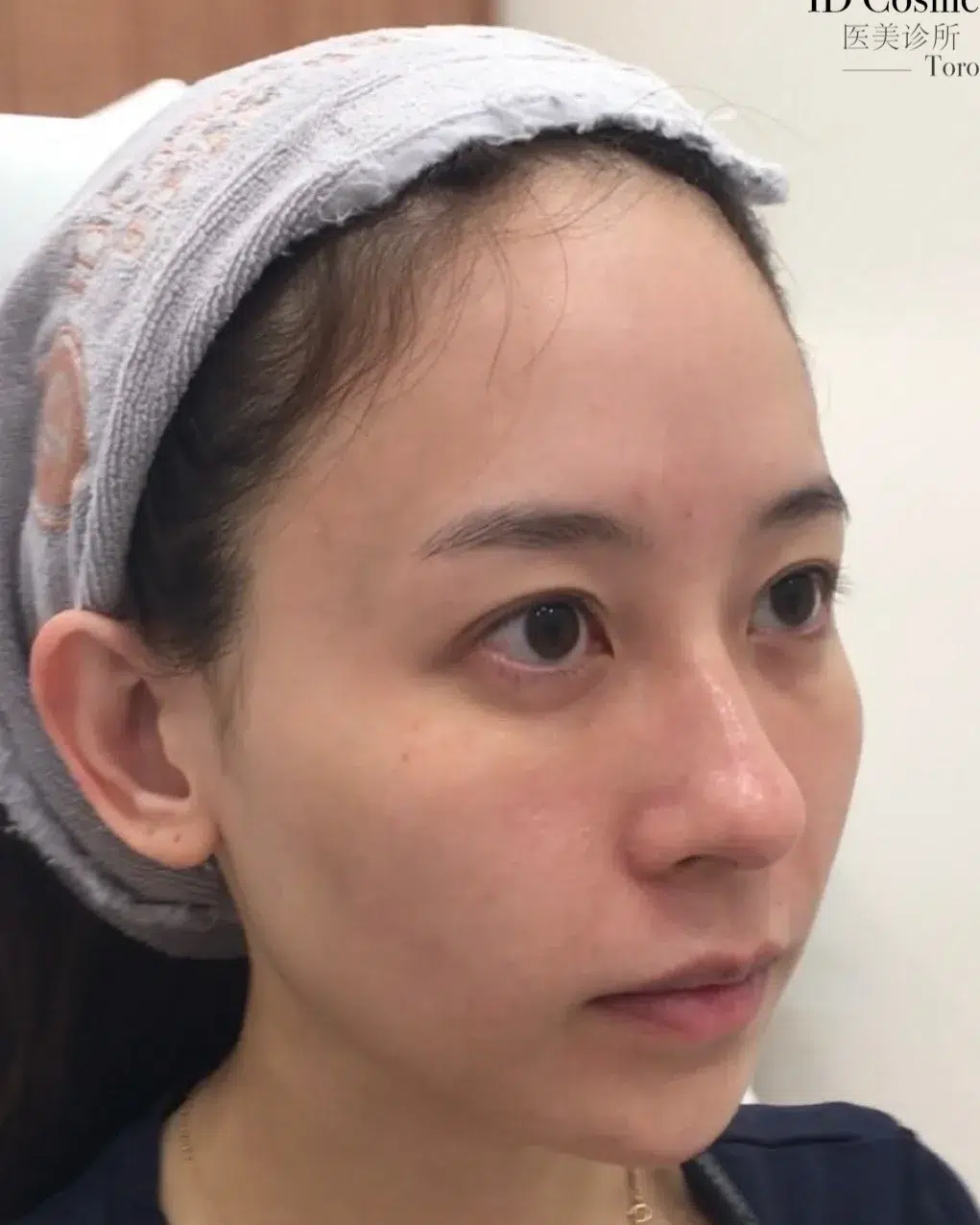
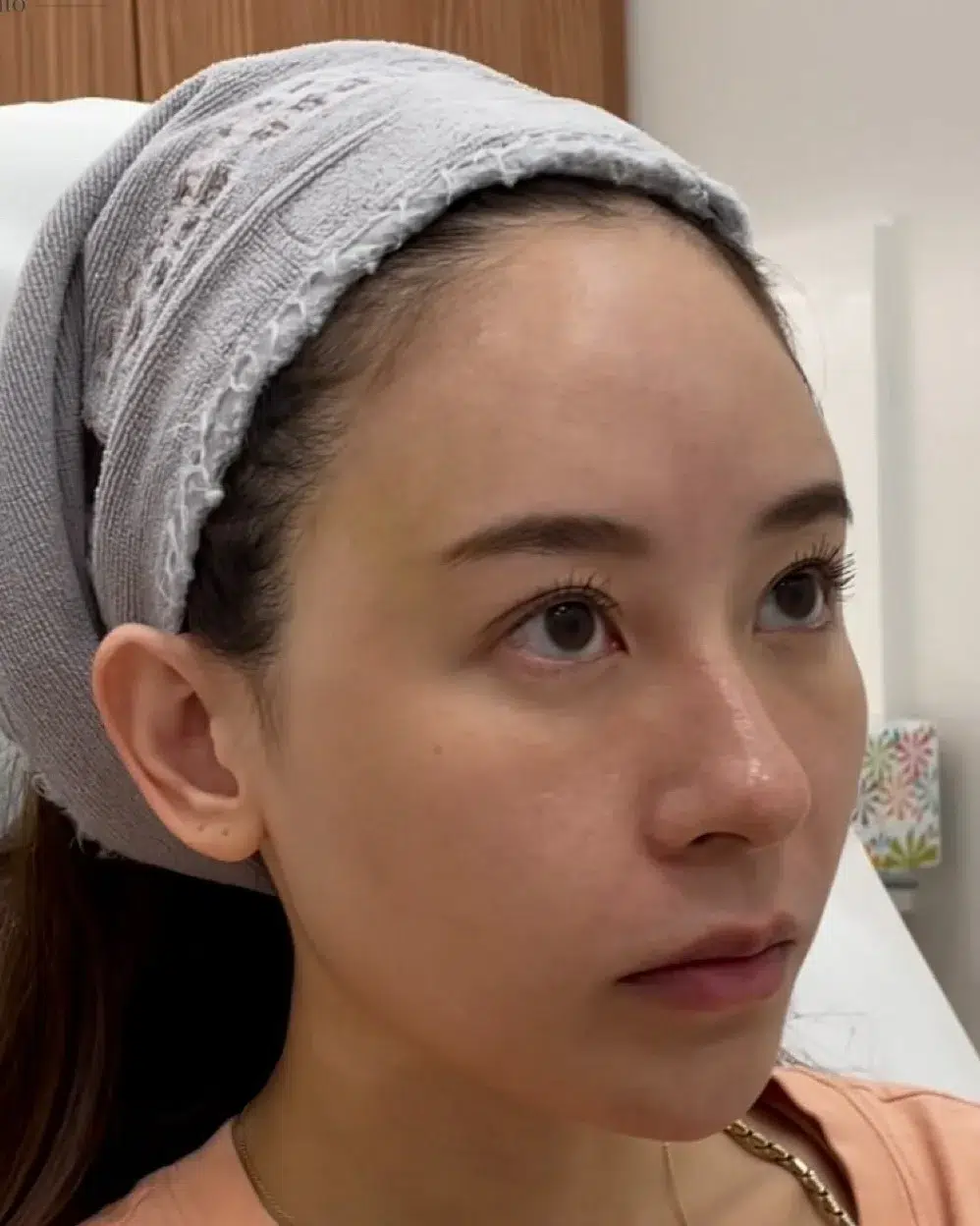
Case 104 · Volume Loss — Real Patient Record
- Patient profile
- Asian Female · Fitzpatrick IV · Duration: approx. 2–3 years
- Key concern
- Volume Loss (comprehensive improvement with multimodal combination protocol)
- treatment plan
- Filler Chin Augmentation + Filler Temple Augmentation + Collagen (multiple sessions within 3 months)
- improvement outcomes
- Visible improvement in volume loss · Overall result looks natural
- post-inflammatory hyperpigmentation (PIH)
- No PIH
- maintenance
- Daily sun protection + monthly at-home skincare + quarterly clinical assessment
Case 104: Volume Loss — Before & After · Asian Female · Fitzpatrick IV · Duration: approx. 2–3 years · Multimodal combination plan led by our physician at Luowei Medical Aesthetics Clinic, Nanjing
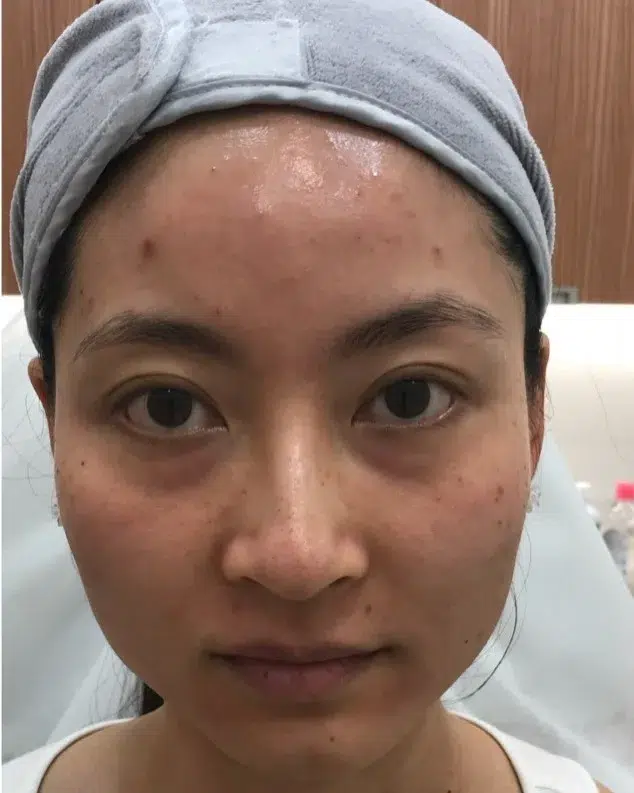
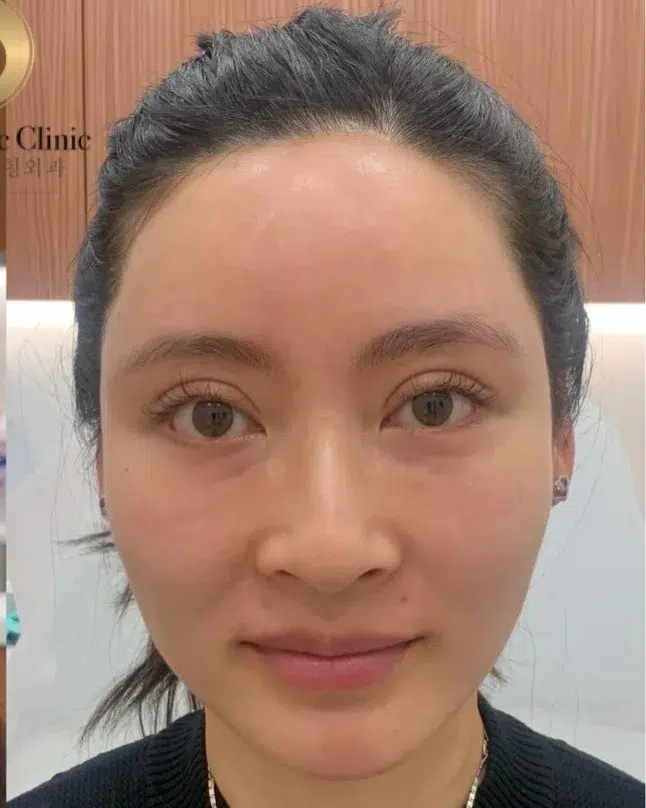
Case 106 · Volume Loss — Real Patient Record
- Patient profile
- Asian Female · Fitzpatrick IV · Duration: approx. 2–3 years
- Key concern
- Volume Loss (comprehensive improvement with multimodal combination protocol)
- treatment plan
- Juvéderm® + Teosyal® hyaluronic acid + collagen (multiple sessions within 3 months)
- improvement outcomes
- Visible improvement in volume loss · Overall result looks natural
- post-inflammatory hyperpigmentation (PIH)
- No PIH
- maintenance
- Daily sun protection + monthly at-home skincare + quarterly clinical assessment
Case 106: Volume Loss — Before & After · Asian Female · Fitzpatrick IV · Ongoing ~2–3 Years · Multimodal combination approach led by our physician at Luowei Medical Aesthetics Clinic, Nanjing
What is facial volume loss? And how is it different from skin laxity?
Volume Loss (also referred to as facial hollowing, mid-face deflation, or facial volume atrophy) refers to the loss of Fat pad atrophy + skeletal resorption + collagen loss collectively caused by Thinning of deep structural support. It is not simply skin laxity. Laxity is a skin-layer issue; volume loss is a Deep structural support concern. The two conditions frequently coexist, but the treatment approach is entirely different.
Why can’t tightening or lifting alone address volume loss?
When the underlying support structures have already collapsed, simply tightening the surface skin will only make the face look gaunt and stretched — what’s missing is volume, yet what is being filled is tension, a fundamentally misaligned approach.
Why do Asian faces tend to show signs of aging more noticeably?
Asian faces typically have flatter skeletal structure and naturally thinner mid-face fat pads. Once the cheek or temple fat pads begin to atrophy,Loss of three-dimensional definition is more apparent than in Caucasian faces, can make the face appear tired, harsh, and older than one’s actual age.
Why can’t everything be corrected in one session?
Facial volume is 3D structural concern, Treatment requires a layered, staged, zone-by-zone assessment. Large-volume filling in a single session commonly leads to a frozen face, overly rounded appearance, or an unnatural projected look — these are the most frequent cases we see in our revision clinic.
Why is a physician assessment essential?
Midface (apple cheeks), tear troughs, temples, jawline, and surrounding areas complex anatomical structures(vessels, nerves, and lymphatics — incorrect tissue plane and needle angle can lead to serious complications such as vascular occlusion. This is why physician-level injections — this is a physician-led procedure, not a technician service.
Clinical highlights:Many patients come in requesting a “lift” or “skin tightening,” but after a thorough 3D assessment, the underlying issue is actually Volume Loss. Applying a tightening treatment to a face with volume loss is like pulling a deflated balloon tighter — it only makes the hollowing more apparent. The first step in our physician’s protocol is always Distinguishing laxity vs. volume loss vs. a combination of both.
The Five Key Causes of Facial Volume Loss — It Is Not Simply “Aging”
Volume loss is Multi-layer tissue degeneration occurring simultaneously outcomes. Understanding the underlying cause is essential to selecting the right filler type and tissue plane.
1. facial fat pad atrophy
The face contains more than a dozen distinct fat compartments — including the SOOF, malar, and buccal fat pads — which begin to shrink and descend after the age of 30. As the mid-cheek fat pad shifts forward and downward, it produces the classic signs of mid-face hollowing combined with deepening nasolabial folds.
2. Bone Resorption
The zygomatic bones, orbital rims, and upper and lower jaw continue to resorb after age 40. The skeleton is the structural foundation of the face; when the foundation shrinks, every layer of soft tissue above it collapses. Temporal hollowing, loss of jawline definition, and deepening of the eye sockets are all classic signs of skeletal volume loss.
3. Collagen + elastin loss
Dermal collagen decreases by roughly 1% per year from age 25 onward, and elastin fibres deteriorate in parallel. As the skin’s own fullness declines, the face can appear thin and flat even when fat and bone loss are not yet pronounced.
4. Excessive weight loss / chronically low body fat
Losing more than 10 lbs in a short period causes facial fat loss that is often the first change to appear and the hardest to reverse. People who maintain a consistently low body-fat level through exercise frequently notice a pattern of “great body, aged face.”
5. UV exposure + chronic inflammation + lifestyle factors
UVA Collagen breakdown is accelerated by smoking, chronic sleep deprivation, and glycation (AGEs), all of which speed up soft-tissue aging. The intense UV exposure common in North America, combined with the naturally thinner dermis of Asian skin, means that volume loss often appears earlier than expected.
4 facial aging signs commonly confused with volume loss — key points for differential diagnosis
Volume loss is frequently misidentified as skin laxity, fat accumulation, or a skeletal issue, leading to entirely misdirected treatment. The table below outlines the most common differentials our physician encounters in clinical practice.
Skin Laxity
Skin Laxity / Sagging
| Core issue | Reduced tension in the dermis and SMAS layer |
|---|---|
| Palpation findings | Skin rebounds slowly when pinched; underlying structural loss is present |
| distribution | most apparent along the jawline, neck, and upper eyelids |
| typical presentation | Jowling / turkey neck / drooping eyelids |
| First-line treatment | Sofwave / Ultherapy / facelift / skin tightening |
Volume Loss
Volume Loss / Atrophy
| Core issue | Fat, bone, and collagen atrophy |
|---|---|
| Palpation findings | Deep structural hollowing, with skin surface tension still relatively intact |
| distribution | Midface (apple cheeks), temples, tear troughs, jawline |
| typical presentation | Hollowing, shadowing, and contour collapse |
| First-line treatment | Juvederm / Sculptra / Radiesse |
Downward Fat Migration (Fat Repositioning)
Fat Pad Descent
| Core issue | Fat volume unchanged, but displaced downward |
|---|---|
| Palpation findings | In-situ hollowing above with fat descent accumulating below |
| distribution | Mid-face deflation → nasolabial folds; jawline loss → marionette lines |
| typical presentation | Deep nasolabial folds + downturned mouth corners |
| First-line treatment | Sofwave Lifting + minimal filler to reposition |
Edema-related “Pseudo Volume Loss”
Lymphedema / Puffiness
| Core issue | Poor lymphatic drainage causing lower-face puffiness |
|---|---|
| Palpation findings | pitting on pressure, slow rebound, worse in the morning and improves by evening |
| distribution | Under-eye bags, jawline edema |
| typical presentation | Generalized swelling masking the true facial contour |
| First-line treatment | Address edema and reassess first — direct filler placement is not appropriate |
⚠️ Warning:Clinically, at least 20% of patients who present requesting cheek filler are found upon assessment to actually have Fat pad descent or lymphedema. Applying filler directly to either of these will only make the face look puffier and the contours less defined. An inaccurate diagnosis leads to progressively worse outcomes with each session — this is the most common source of overfilling complications we see in Asian patients.
Why does volume restoration for Asian faces require an Asian Aesthetic Protocol?
A common blind spot in mainstream North American clinics
The dominant filler injection protocols in North America were developed for Caucasian facial anatomy — deep-set eyes, a high nasal bridge, and narrow cheekbones. Applying them directly to Asian faces — which typically feature flatter cheekbones, a wider mid-face, and a lower nasal base — frequently results in:
- ✗ Over-projection— Applying a Caucasian “lateral highlight” placement onto flatter Asian cheekbones results in the overly projected “social-media apple cheek” look
- ✗ Facial widening— Injection points placed too laterally, accentuating the already wider zygomatic arch typical of Asian faces
- ✗ Lack of anterior projection— Asian faces need forward projection, not lateral height
- ✗ Tear trough overfill— Asian skin tends to be thinner, making superficial tear trough filler highly prone to a bluish Tyndall effect
Our physician’s Asian-specific facial aesthetic adjustments
| parameters | North American standard | Asian-specific adjustment |
|---|---|---|
| primary projection direction of mid-face volume | 45° anterior-lateral view | directly forward |
| injection point placement | laterally and superiorly displaced | toward the inner mid-face |
| Total volume per side per session | 1.0–2.0 mL | 0.3–0.8 mL (staged sessions) |
| Preferred injection depth for tear trough treatment | superficial layer | Supraperiosteal deep layer |
| jawline contouring | angular jawline definition | soft, sculpted V-contour |
Key differentiators:Our physician has spent 8 years focused exclusively on Asian faces at our Nanjing clinic, with over 90% of clients presenting East Asian, Southeast Asian, or South Asian skin types.
6 Treatment Options for Volume Loss — Matched to Zone and Loss Type
There is no “one-size-fits-all” filler. We select different product combinations based on the layer of loss (fat / bone / collagen) and the specific area being treated.
Juvederm Voluma / Volux hyaluronic acid
Allergan high-cohesivity HA filler; Voluma is used for Mid-face and cheek volume reconstruction, Volux used for jawline contouring. Immediate results, dissolvable, and a strong safety profile — the preferred starting point for volume restoration. Our physician.
Sculptra Poly-L-lactic acid (Sculptra®)
Not “filling” but rather Stimulates the body’s own collagen regeneration, suitable for Diffuse full-face volume loss. 3 Sequential injections delivered in stages; results gradually emerge over 4–6 months, last 2 years or more, and look highly natural.
Radiesse Calcium hydroxylapatite (CaHA) microspheres
strong structural support, suitable for Skeletal volume loss(temple hollowing, anterior mandibular resorption). Also stimulates collagen regeneration, with results lasting 15–18 months.
HArmonyCa calcium hydroxylapatite (CaHA) + HA
A next-generation combination filler that delivers immediate structural support (HA) along with long-lasting collagen stimulation (CaHA). Suitable for jawline / lower face patients who require both volumizing and skin tightening.
Restylane® HA series (Lyft / Defyne)
Galderma within the product range, with a softer consistency, suitable for tear troughs, temples and other superficial or thin-skin areas. Used in conjunction with the primary midface filler treatment.
Sofwave Ultrasound skin tightening (adjunct therapy)
after volume restoration must be paired with skin-tightening treatments, Otherwise, any added volume will descend more quickly. Sofwave™ SUPERB ultrasound energy stimulates the SMAS layer, helping to extend and support the results of filler treatment.
Our physician’s 6-Step Standard Protocol for Volume Restoration
Consultation + 3D facial assessment
30 Free consultation — VISIA skin analysis + 3D imaging assessment + physical palpation Laxity vs. Volume Loss vs. Combined. No needle is placed without proper classification.
Treatment plan design + simulation and discussion
Treatment is planned by zone — midface / temples / tear troughs / jawline — with filler type (HA / CaHA / PLLA) and injection depth (supraperiosteal / SOOF / deep dermis) selected for each area. Single-session goals and the long-term treatment path are established upfront.
Pre-procedure preparation (7 days prior)
Discontinue blood-thinning agents such as aspirin, fish oil, and vitamin E. Female patients should avoid scheduling during menstruation. Arrive bare-faced on the day of treatment; topical numbing cream will be applied 30 minutes before the procedure. These steps help minimize bruising and discomfort.
Injections (performed personally by the physician)
Following skin preparation and disinfection, our physician personally performs injections in each zone according to the pre-planned treatment map.All injectable treatments are performed by the physician personally, Procedures involving the facial vascular and nerve anatomy carry inherent risks and must be performed by a physician, not an aesthetic technician. The full treatment takes approximately 30–45 minutes.
Immediate post-procedure monitoring + 14-day follow-up
After the injection, a cold compress is applied for 15 minutes and the patient is observed to confirm there are no signs of vascular compromise before leaving the clinic. A 14-day follow-up is scheduled to assess immediate results and symmetry, with minor touch-ups performed if needed.
Long-term maintenance (every 12–18 months)
HA fillers typically require a maintenance assessment every 12–18 months; Sculptra® every 18–24 months. Combining treatment with Sofwave™ tightening and rigorous sun protection is recommended to slow further volume loss.
Treatment Timeline — How Soon Will You See Results?
| Treatment type | treatment cycle | Initial results visible | Significant improvement | Maintenance interval |
|---|---|---|---|---|
| HA(Juvederm / Restylane) | 1–2 sessions | immediate | 14 days for results to settle | Every 12–18 months |
| Sculptra® | 3 sequential sessions | after the 2nd session | 4–6 months | every 18–24 months |
| Radiesse | 1–2 sessions | Immediate results + gradual improvement through month 2 | 2–3 months | Every 15–18 months |
| HArmonyCa combination type | 1–2 sessions | Immediate results + sustained improvement over 4 weeks | 2 months | every 12–15 months |
Clinical note:Volume restoration is not about “filling everything at once” — it is“building volume gradually across sessions to restore a naturally dimensional look”. Among our Nanjing clients who have followed a consistent maintenance schedule combined with skin-tightening treatments for two or more years, fewer than 10% report a noticeable return of volume loss. “You can’t tell anything was done” is the feedback we hear most often.
Are You a Candidate for Volume Restoration? A 2-Minute Self-Assessment
✅ Appropriate to begin assessment
- ✓Hollowing or a tired appearance in the cheek area when smiling
- ✓Temple hollowing / loss of temporal fullness
- ✓Prominent tear trough shadowing, creating a tired appearance
- ✓Deep nasolabial folds, but jawline skin tension remains adequate
- ✓Recent weight loss with irreversible facial hollowing
- ✓Embracing a “naturally restored” aesthetic rather than an over-projected “influencer” look
❌ may require postponement or resolution of other concerns first
- ✗Currently pregnant or breastfeeding
- ✗Active facial infection / dermatitis / severe acne flare
- ✗Taking anticoagulant medications without consulting your primary physician
- ✗Severe lymphedema or chronically puffed facial presentation
- ✗Expecting a single filler session to deliver a dramatic, head-turning transformation (unrealistic expectations)
- ✗active autoimmune disease flare
Luowei Physician-Led Volume Restoration vs. Standard MedSpa
- ✗No 3D assessment — filler placed wherever the client requests
- ✗Conflating laxity, volume loss, and edema as a single condition
- ✗Single-session, high-volume injection aimed at immediate “fullness”
- ✗Injections are often performed by RNs or aestheticians without physician assessment
- ✗Applying injection templates designed for Caucasian facial anatomy
- ✗Recommending “a little more filler” after over-projection or facial puffiness has already appeared
- ✗No emergency complication protocol in place (no hyaluronidase for vascular occlusion)
- ✓Essential pre-treatment trio: VISIA imaging + 3D assessment + manual palpation
- ✓Defining the type: laxity vs. volume loss vs. edema vs. mixed
- ✓Small amounts per session, building gradually over time — natural results always come first
- ✓ All injections performed personally by the physician
- ✓Overfilling revision clinic + hyaluronidase dissolution
- ✓Full complication emergency protocol (including immediate dissolution)
Why trust Luowei Medical Aesthetics Clinic for volume restoration?
Experience experience
Expertise areas of expertise
Authoritativeness authority
Galderma / Merz Certifications · Published author
Trustworthiness credible
All cases on this page are authorized via signed Media Release Forms · Clinical data available upon request
About the Cost of Volume Restoration Treatment
Pricing for volume restoration varies considerably between clinics — but the true value of a treatment has never been about how many mL are in a syringe. What truly matters is Who performs the assessment, who determines the injection layers, who personally administers the treatment, and how deep their clinical experience truly runs. Volume loss cases often span multiple facial zones, involve combinations of filler materials, require correction of overfilled areas, or carry heightened anatomical risk — decisions in which our physician is personally and deeply involved. Our pricing reflects that level of physician-led clinical input. For clients whose results are stable and who simply need minor maintenance, the care pathway under a physician-directed plan can be made more accessible. The price difference between laser and energy-based treatments fundamentally reflects the clinical experience gap between physician-performed and technician-performed (physician vs. technician) procedures;We maintain a firm policy that all injectable procedures are performed by the physician personally.— This comes down to emergency judgment in the event of serious complications such as vascular occlusion — it is not a question of value for money. The right plan for you is determined by your anatomy and the type of volume loss, not by price. Details will be discussed during your consultation based on a full 3D assessment.
- Payment is made at the clinic, after the consultation and before treatment begins
- Nothing is paid in advance, and no deposit is required to hold an appointment
- Cosmetic treatment is a self-pay item and is not covered by public medical insurance in China
- All new patients receive a complimentary 30-minute complimentary Consultation & Assessment
Risks & Contraindications — What You Need to Know
What are the main risks?
1. Bruising / swelling(Common; resolves within 3–7 days); 2. Localized nodule / asymmetry(can be fine-tuned or dissolved at a 14-day follow-up); 3. vascular occlusion(rare but serious — Our physician keeps hyaluronidase on hand at all times for immediate dissolution); 4. Tyndall effect (a bluish hue visible through superficial HA, reversible with dissolution); 5. allergic reaction (extremely rare); 6. infection (rare when strict aseptic technique is followed).
Who is absolutely not a candidate?
Pregnancy, breastfeeding, active facial infection, severe autoimmune disease in a flare, known allergy to filler components, recent energy-based facial treatments that have not yet stabilized, a significant keloid history that has not been evaluated, or unrealistic expectations (believing a single session will completely transform one’s appearance) — in any of these situations, our physician will recommend postponing treatment or exploring an alternative approach.
How is the risk of complications minimized during treatment?
5 Core Safety Protocols: (1) Mandatory pre-procedure 3D assessment and anatomical marking; (2) Slow, low-volume injection with continuous aspiration throughout; (3) Blunt cannula for high-risk zones (glabella / nose / tear trough); (4) Hyaluronidase on standby to address any vascular event; (5) 15-minute post-injection observation plus a 14-day follow-up.
What does the informed consent form include?
Every client is required to sign an Informed Consent form before their first injection. It covers: filler type and lot number, injection sites and tissue planes, possible adverse reactions and their likelihood, vascular occlusion emergency protocol, alternative options, follow-up arrangements, and an optional Media Release. All of this is explained by our physician personally — not delegated to administrative staff.
Where the medical claims on this page come from
Everything above about Volume Loss rests on published evidence rather than on our own word. The sources below are the ones behind those statements: peer-reviewed papers indexed in PubMed, and guidance written for patients by dermatology academies and national health services. Read them before you decide — and bring any of them to your consultation.
- Peer-reviewedBotulinum toxin type A for facial wrinkles
- Peer-reviewedBotulinum Toxin Treatment for Mild to Moderate Platysma Bands: A Systematic Review of Efficacy, Safety, and Injection Technique
- Patient guidanceWrinkles
- Patient guidanceDermal fillers: Overview
- Patient guidanceBotulinum toxin: Overview
What these references can and cannot tell you. They describe what is known about the treatment itself — how well it tends to work, how long results last, and what can go wrong. They are not an assessment of this clinic, and no published study can tell you whether it suits your skin type, anatomy, or medical history. That judgement comes from the physician who examines you in person, and it may well be “not this one”.