Non-Surgical Nose Reshaping
Filler Nose Augmentation (Hyaluronic Acid Rhinoplasty, also known as Liquid Rhinoplasty or Non-Surgical Nose Job) is a non-surgical procedure that…
Luowei Medical Aesthetics Clinic Before & After — Non-Surgical Nose Reshaping
At Luowei Medical Aesthetics Clinic, We create a personalized treatment plan for every client based on their facial proportions and aesthetic goals. Each procedure is performed by an experienced physician who precisely injects and sculpts the filler to achieve a refined, natural, and harmonious nasal profile.
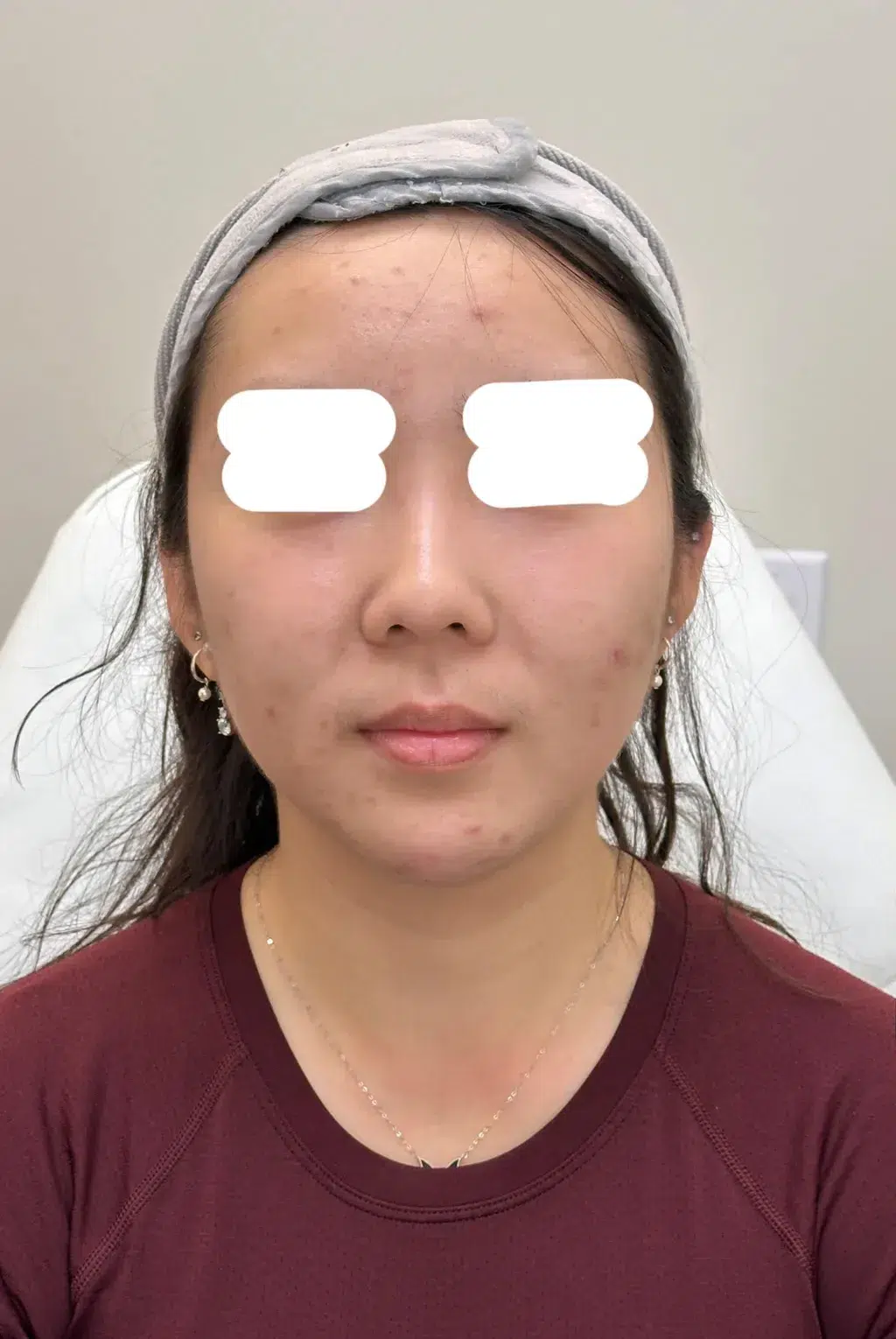
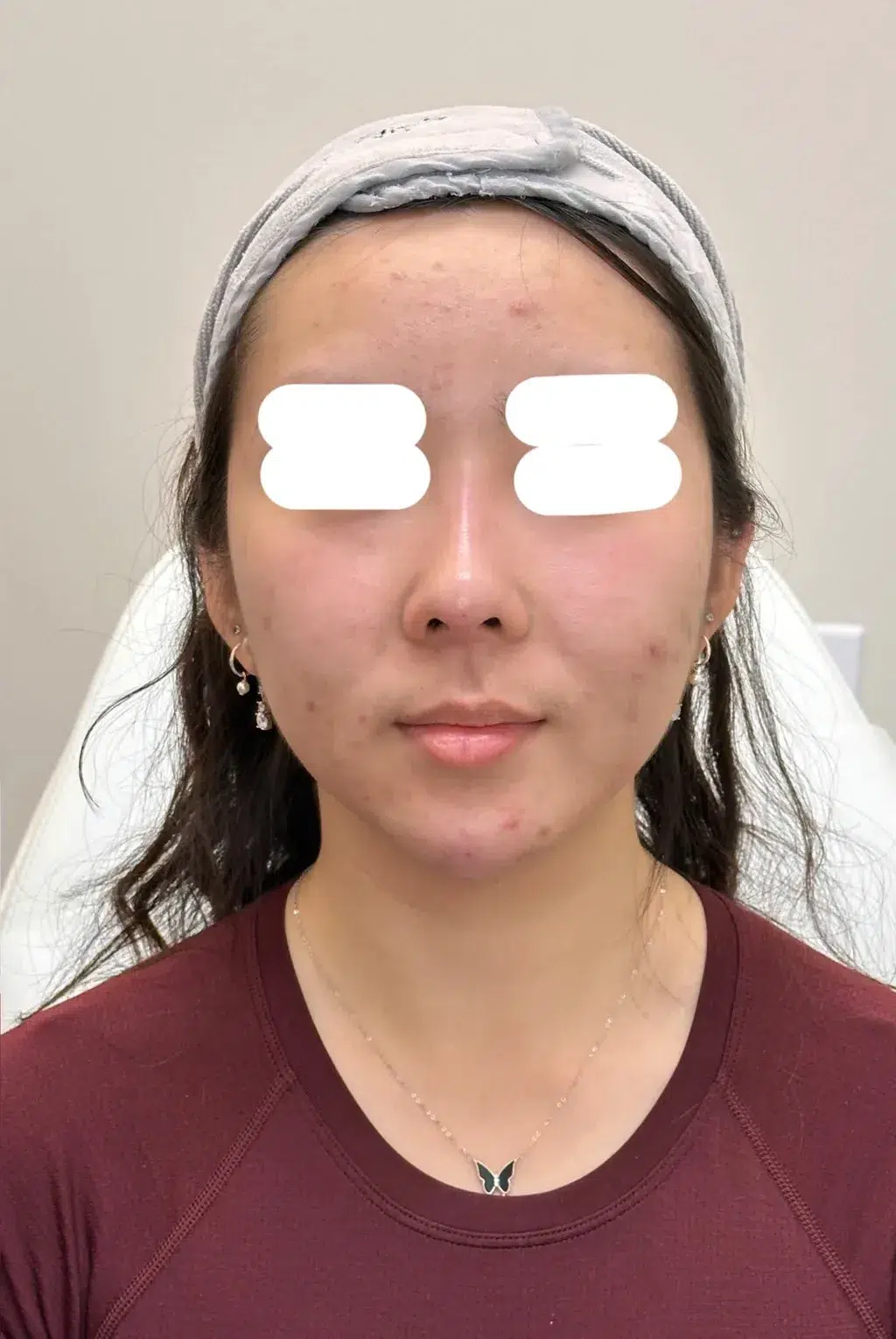
Case 1 · Real Non-Surgical Rhinoplasty (Filler) Results
- Ideal client profile
- Asian Female · Fitzpatrick I
- Areas of concern
- Non-Surgical Nose Reshaping (Comprehensive Improvement via Multi-Modal Combination Approach)
- treatment plan
- Non-Surgical Nose Reshaping (multiple sessions within 3 months)
- Treatment outcomes
- Visible improvement with non-surgical rhinoplasty (filler) · Natural overall results
- post-inflammatory hyperpigmentation (PIH)
- No PIH
- maintenance
- 12-18 months later — filler touch-up
Case 1: Asian Female · Fitzpatrick I · Non-Surgical Rhinoplasty (Filler) as a Core Component of a Comprehensive Plan for: Nose Reshaping/Augmentation, Refined Nose Shape, Flat Nose/Low Nasal Bridge (Multiple Sessions within 3 Months) · Led by our physician at Luowei Medical Aesthetics Clinic, Nanjing
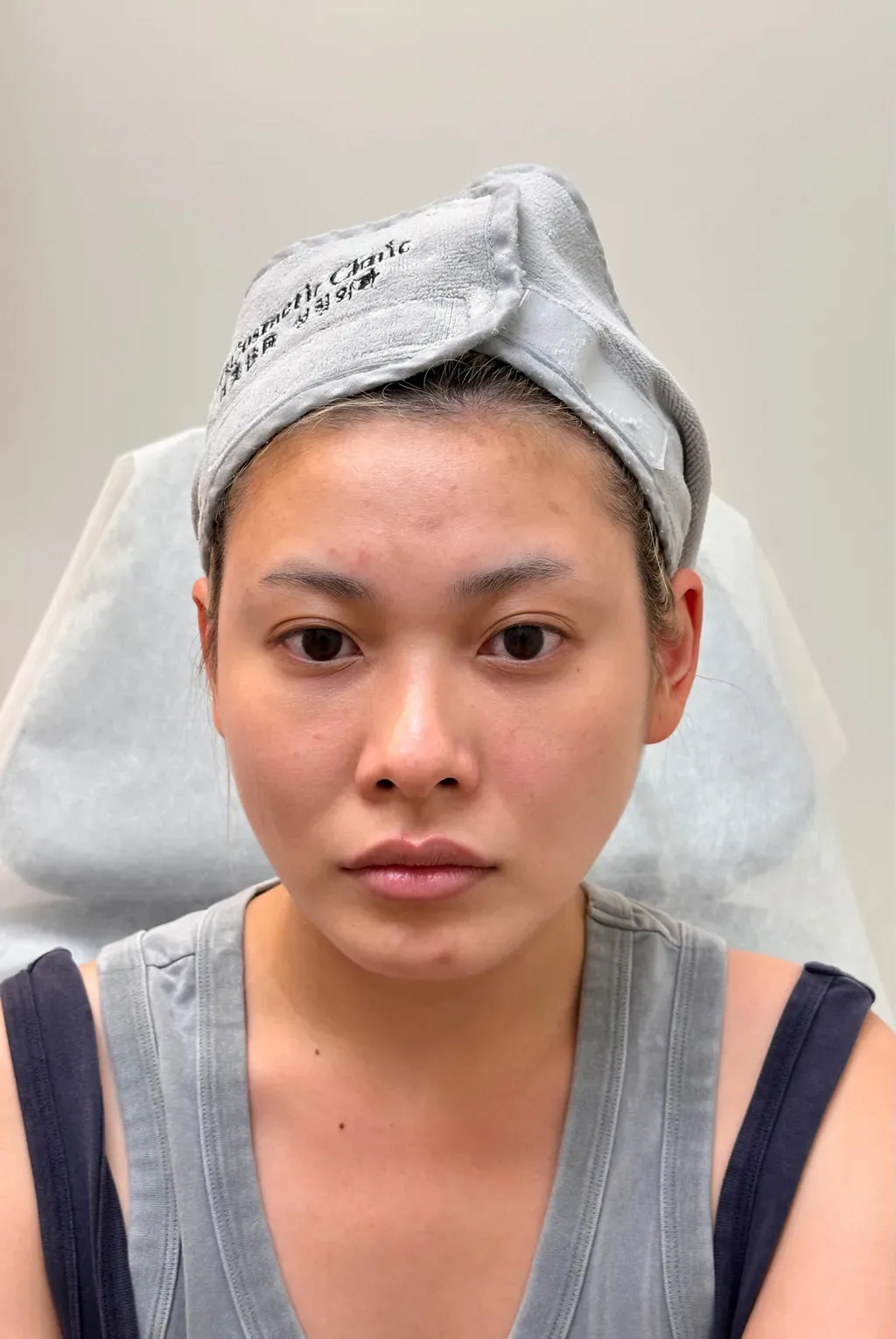

Case 2 · Non-Surgical Nose Reshaping — Real Clinical Documentation
- Ideal client profile
- Asian Female · Fitzpatrick I
- Areas of concern
- Non-Surgical Nose Reshaping (Comprehensive Improvement via Multi-Modal Combination Approach)
- treatment plan
- Juvéderm® + Lip Filler Augmentation + Non-Surgical Nose Reshaping + Restylane® and 4 additional treatments (multiple sessions within 3 months)
- Treatment outcomes
- Visible improvement with non-surgical rhinoplasty (filler) · Natural overall results
- post-inflammatory hyperpigmentation (PIH)
- No PIH
- maintenance
- Daily sun protection + monthly at-home care + quarterly assessment
Case 2: Asian Female · Fitzpatrick I · Non-Surgical Nose Reshaping as a core component of a comprehensive plan addressing forehead hollowing, skin laxity, lip augmentation, thin lips, lip contouring, pout lips, smile lips & temporal hollowing (multiple sessions within 3 months) · Led by our physician at Luowei Medical Aesthetics Clinic, Nanjing
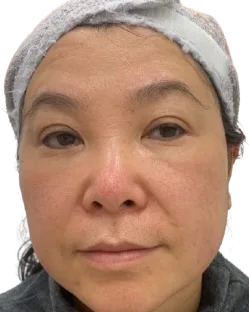
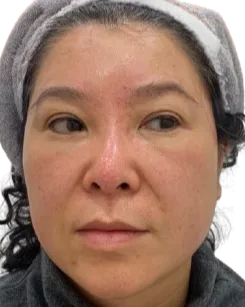
Case 3 · Real Non-Surgical Rhinoplasty (Filler) Results
- Ideal client profile
- Asian Female · Fitzpatrick IV
- Areas of concern
- Non-Surgical Nose Reshaping (Comprehensive Improvement via Multi-Modal Combination Approach)
- treatment plan
- Botox® + Neuromodulator Wrinkle Treatment + Dysport® + Xeomin® and 7 other treatments (multiple sessions within 3 months)
- Treatment outcomes
- Visible improvement with non-surgical rhinoplasty (filler) · Natural overall results
- post-inflammatory hyperpigmentation (PIH)
- No PIH
- maintenance
- Botox 4 months maintenance
Case 3: Asian Female · Fitzpatrick IV · Non-Surgical Nose Reshaping as a core component of a comprehensive plan addressing forehead lines & overall wrinkle concerns (multiple sessions within 3 months) · Led by our physician at Luowei Medical Aesthetics Clinic, Nanjing
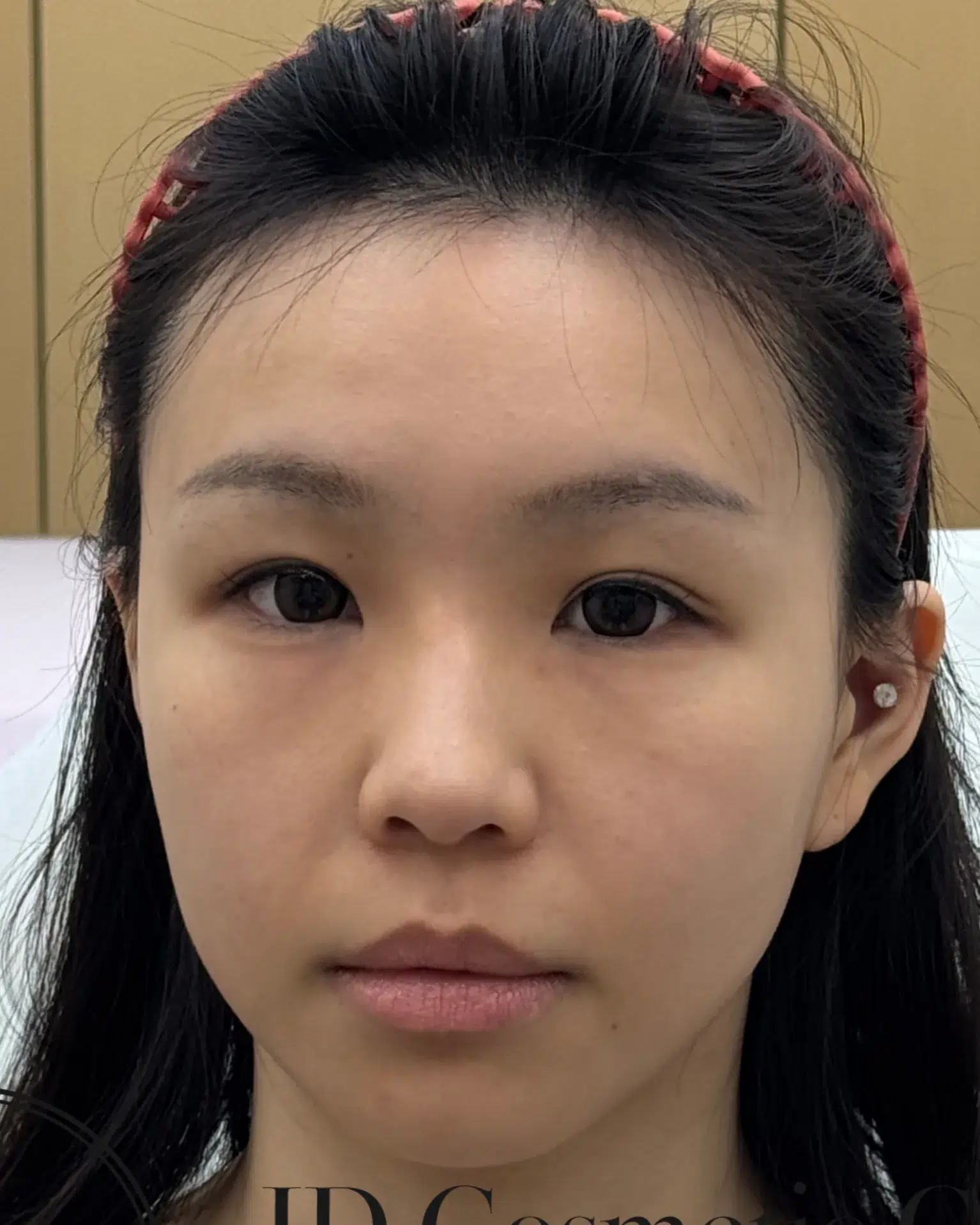
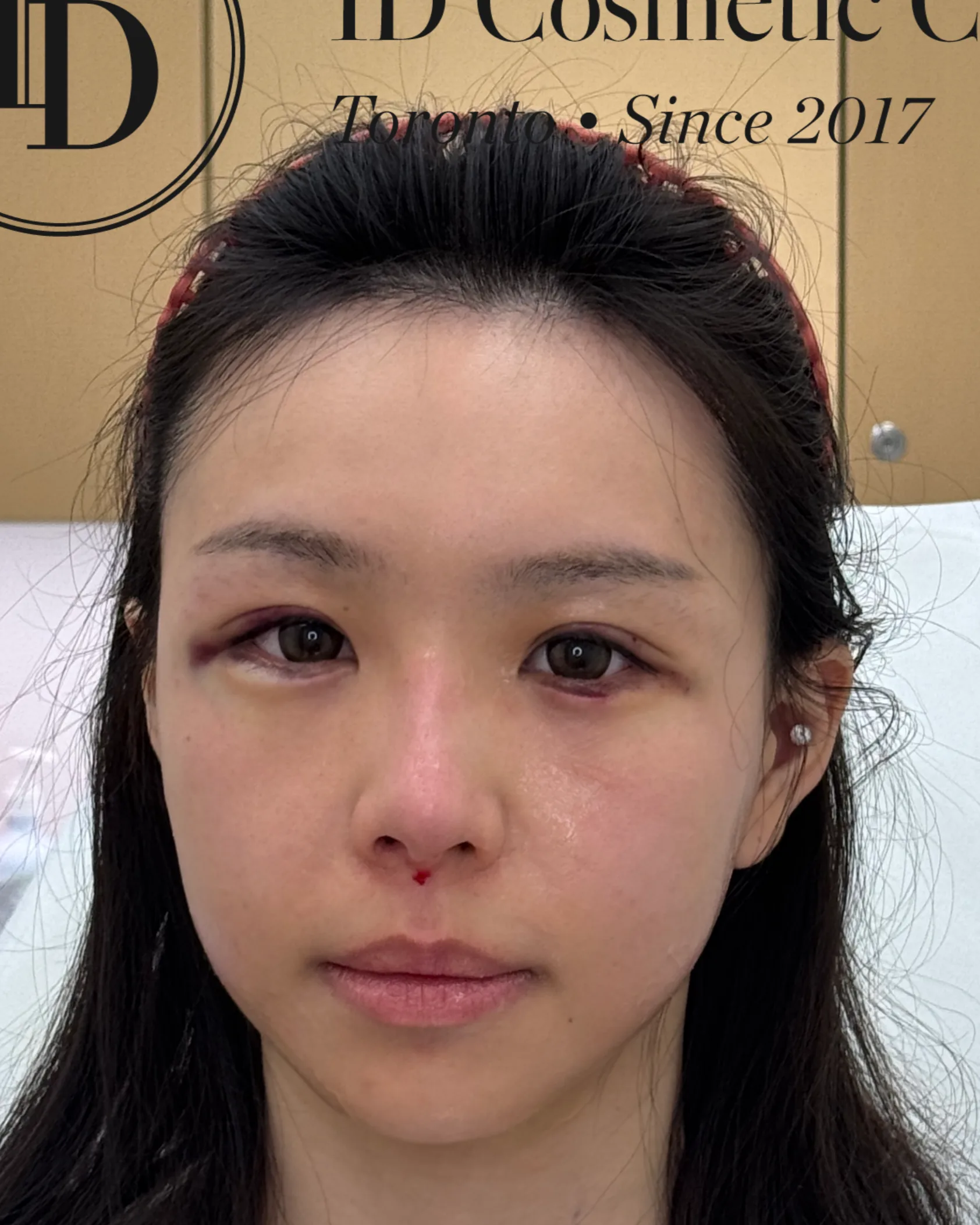
Case 4 · Non-Surgical Nose Reshaping — Real Clinical Documentation
- Ideal client profile
- Asian Female · Fitzpatrick I
- Areas of concern
- Non-Surgical Nose Reshaping (Comprehensive Improvement via Multi-Modal Combination Approach)
- treatment plan
- Non-Surgical Nose Reshaping (multiple sessions within 3 months)
- Treatment outcomes
- Visible improvement with non-surgical rhinoplasty (filler) · Natural overall results
- post-inflammatory hyperpigmentation (PIH)
- No PIH
- maintenance
- 12-18 months later — filler touch-up
Case 4: Asian Female · Fitzpatrick I · Non-Surgical Rhinoplasty (Filler) as a Core Component of a Comprehensive Plan for: Refined Nose Shape, Upper Eyelid Ptosis, Tear Troughs, Flat Nose/Low Nasal Bridge (Multiple Sessions within 3 Months) · Led by our physician at Luowei Medical Aesthetics Clinic, Nanjing
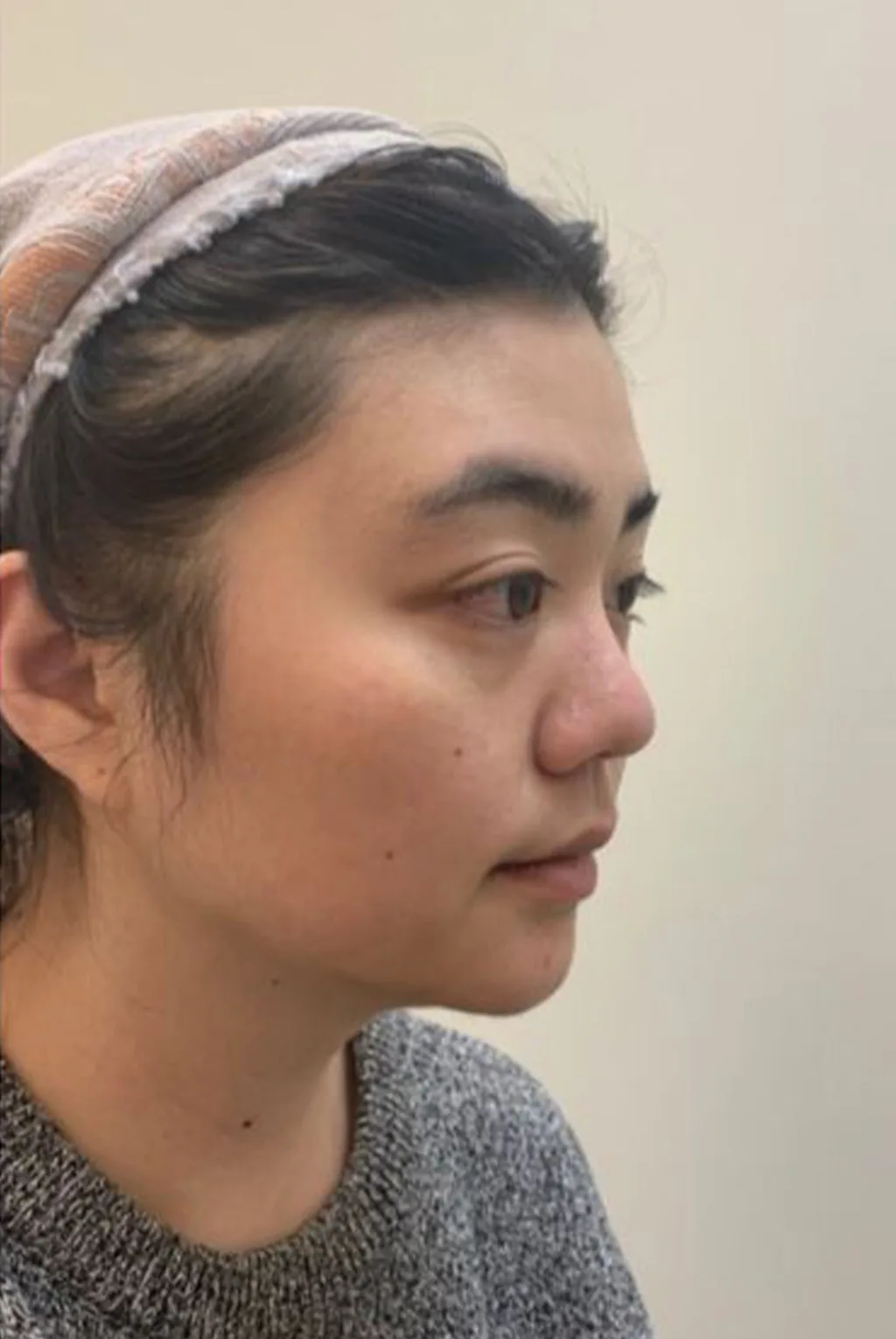
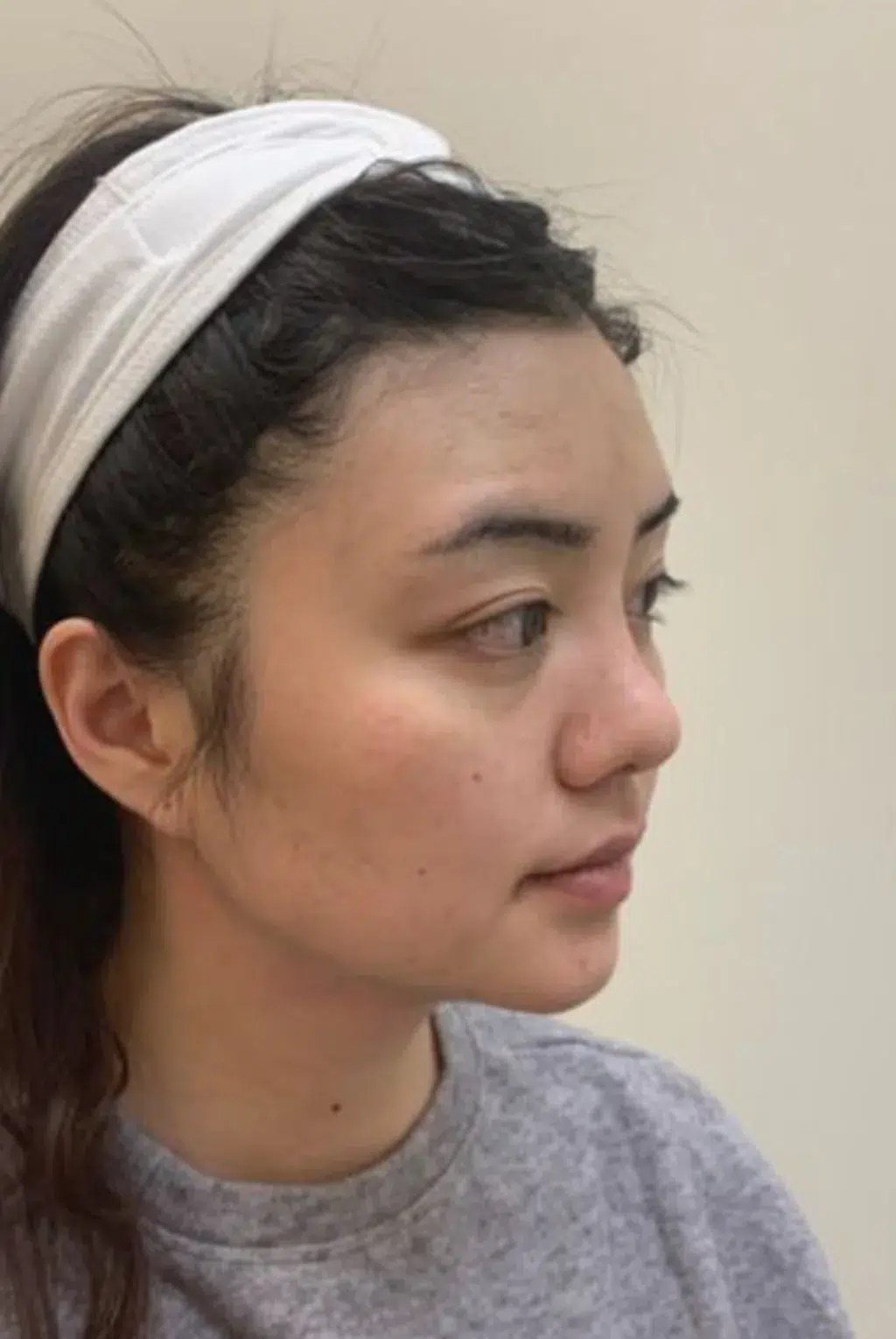
Case 5 · Real Non-Surgical Rhinoplasty (Filler) Results
- Ideal client profile
- Asian Female · Fitzpatrick I
- Areas of concern
- Non-Surgical Nose Reshaping (Comprehensive Improvement via Multi-Modal Combination Approach)
- treatment plan
- Chin Filler Augmentation + Dermal Filler + Juvéderm® + Non-Surgical Nose Reshaping and 6 additional treatments (multiple sessions within 3 months)
- Treatment outcomes
- Visible improvement with non-surgical rhinoplasty (filler) · Natural overall results
- post-inflammatory hyperpigmentation (PIH)
- No PIH
- maintenance
- Daily sun protection + monthly at-home care + quarterly assessment
Case 5: Asian Female · Fitzpatrick I · Non-Surgical Rhinoplasty (Filler) as a Core Component of a Comprehensive Plan for: Face Shape (Round/Flat Face/Facial Contour), Upper Eyelid Ptosis, Under-Eye Bags & Dark Circles, Tear Troughs, Jawline Definition, Undefined Jawline, Refined Contour, Recessed Chin, Refined Nose Shape, Flat Nose/Low Nasal Bridge (Multiple Sessions within 3 Months) · Led by our physician at Luowei Medical Aesthetics Clinic, Nanjing
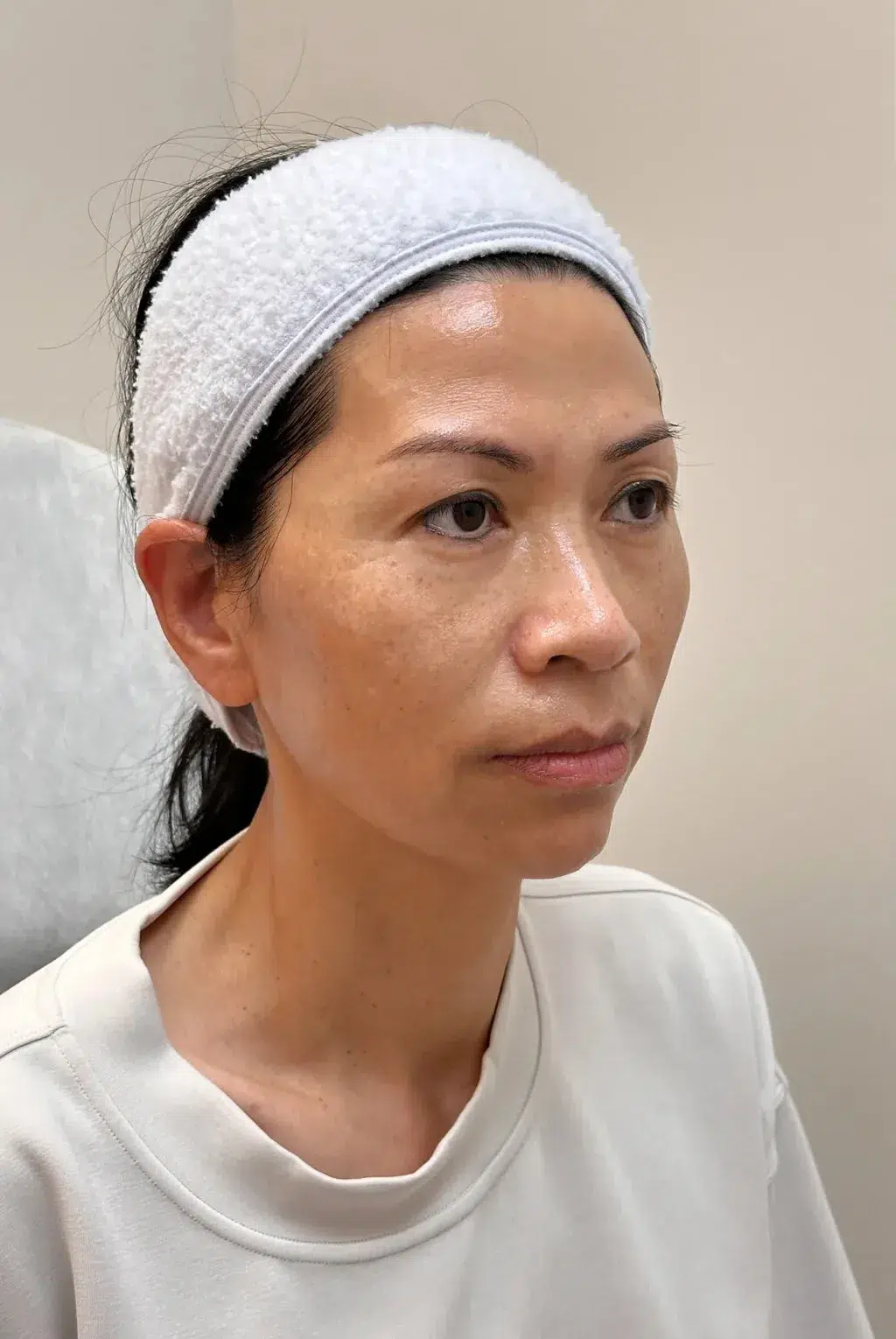
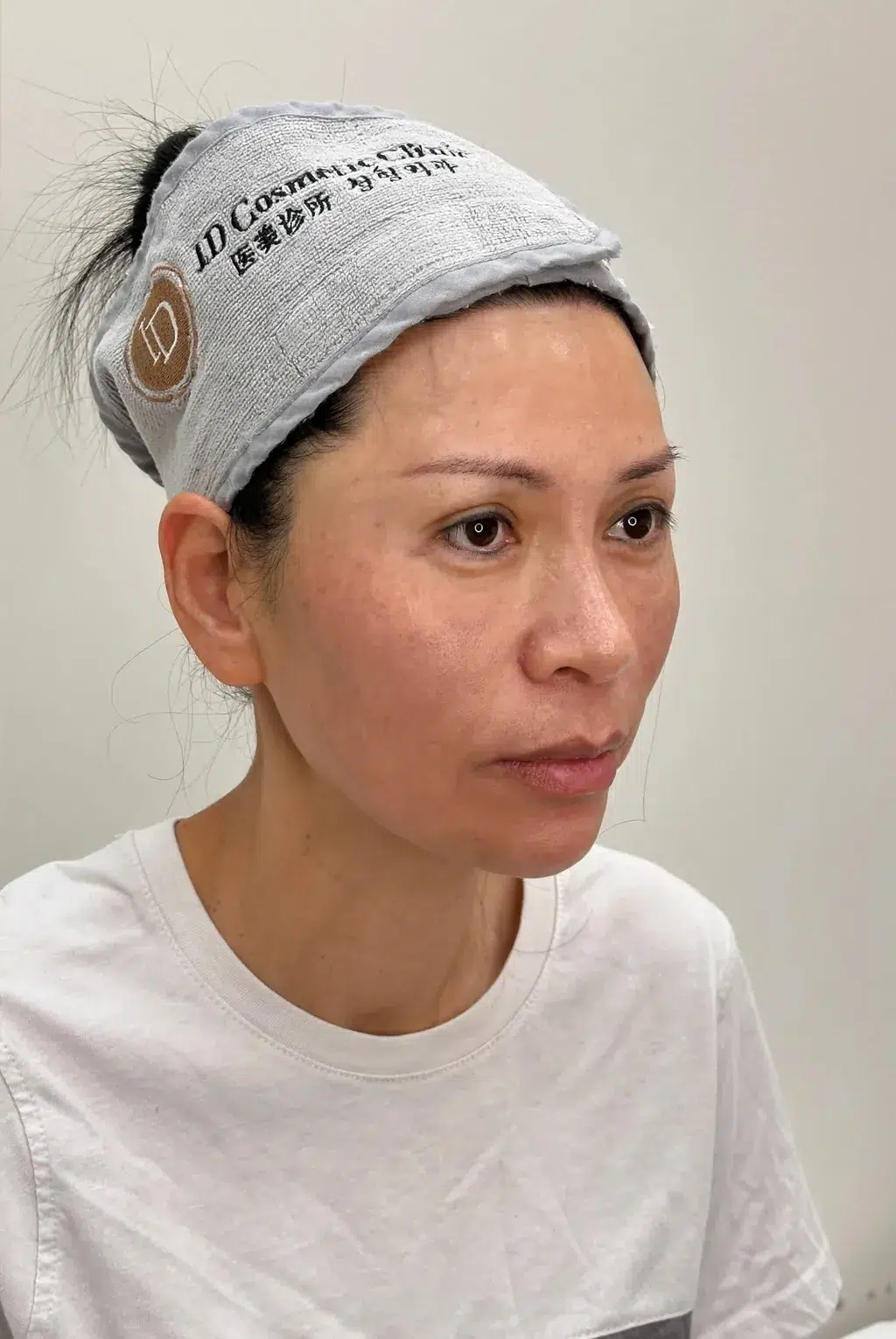
Case 6 · Non-Surgical Nose Reshaping — Real Clinical Documentation
- Ideal client profile
- Asian Female · Fitzpatrick I · Duration: 5 years
- Areas of concern
- Non-Surgical Nose Reshaping (Comprehensive Improvement via Multi-Modal Combination Approach)
- treatment plan
- PicoSure® + IPL Photofacial (multiple sessions within 3 months)
- Treatment outcomes
- Visible improvement with non-surgical rhinoplasty (filler) · Natural overall results
- post-inflammatory hyperpigmentation (PIH)
- No PIH
- maintenance
- Daily sun protection + monthly at-home care + quarterly assessment
Case 6: Asian Female · Fitzpatrick I · Ongoing 5 Years · Non-Surgical Nose Reshaping as a core component of a comprehensive plan addressing melasma, freckles, age spots, pigmentation & discoloration (multiple sessions within 3 months) · Led by our physician at Luowei Medical Aesthetics Clinic, Nanjing
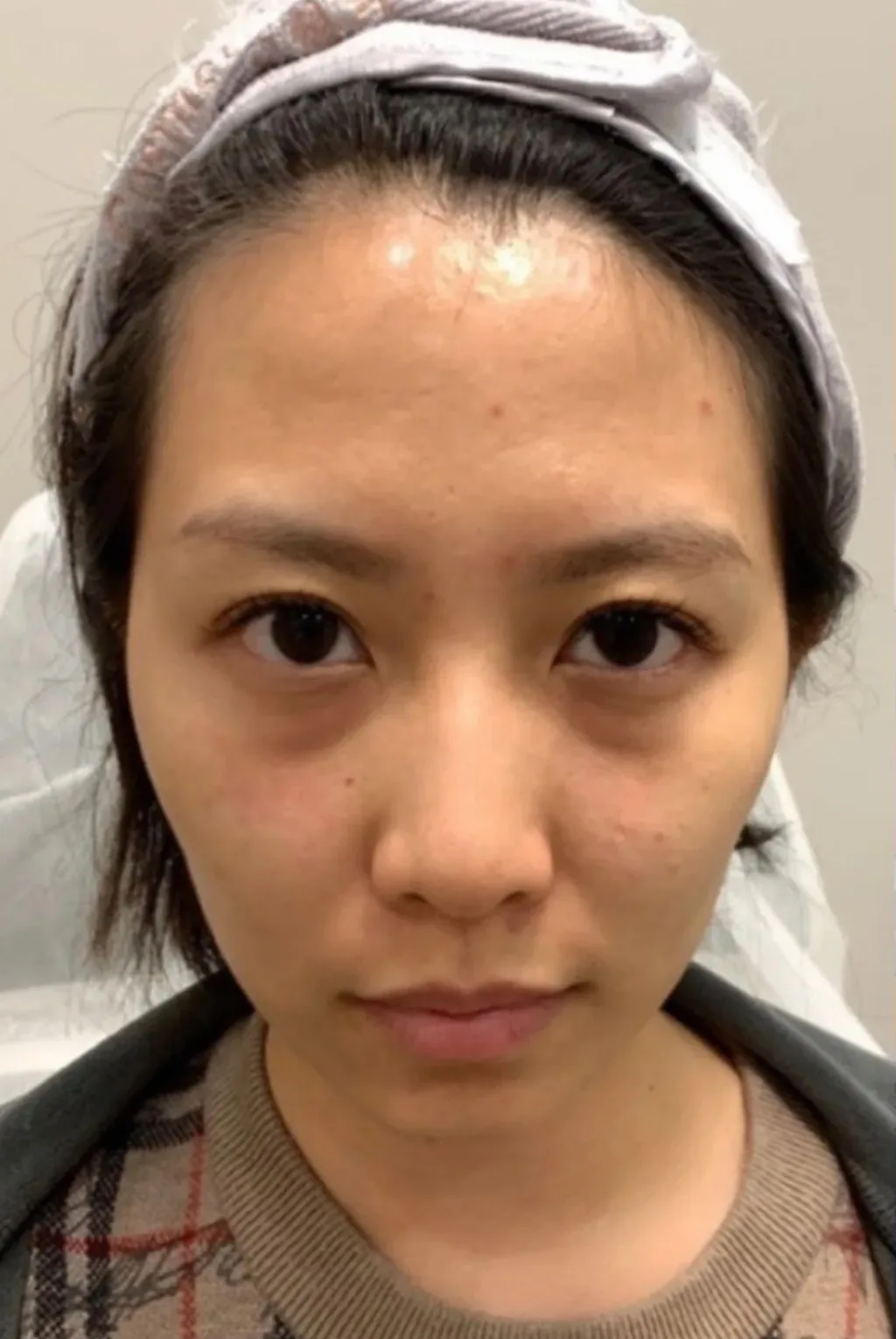
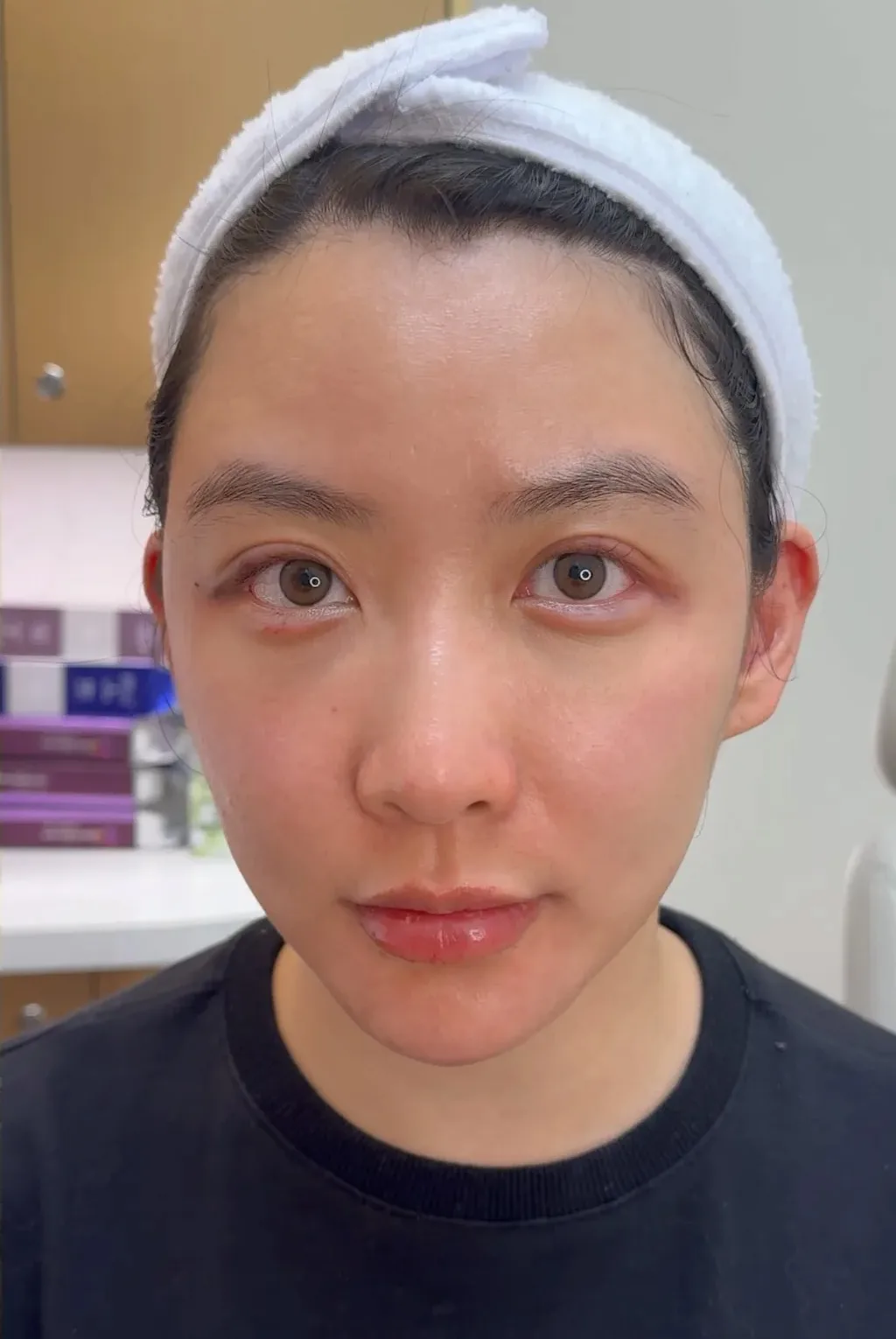
Case 7 · Real Non-Surgical Rhinoplasty (Filler) Results
- Ideal client profile
- Asian Female · Fitzpatrick I · Duration: approximately 2–3 years
- Areas of concern
- Non-Surgical Nose Reshaping (Comprehensive Improvement via Multi-Modal Combination Approach)
- treatment plan
- PicoSure® + IPL Photofacial (multiple sessions within 3 months)
- Treatment outcomes
- Visible improvement with non-surgical rhinoplasty (filler) · Natural overall results
- post-inflammatory hyperpigmentation (PIH)
- No PIH
- maintenance
- Daily sun protection + monthly at-home care + quarterly assessment
Case 7: Asian Female · Fitzpatrick I · Ongoing ~2–3 Years · Non-Surgical Nose Reshaping as a core component of a comprehensive plan addressing under-eye bags & dark circles, facial sagging/jowls, upper eyelid ptosis, tear trough, lip augmentation, thin lips, lip contouring, pout lips, smile lips, temporal hollowing & forehead hollowing (multiple sessions within 3 months) · Led by our physician at Luowei Medical Aesthetics Clinic, Nanjing
Why Choose Luowei Medical Aesthetics Clinic for Nose Filler Augmentation in Nanjing
The nose is the most vascularly dense region of the face and the site where injection complications carry the most serious consequences. The product determines possibility; the physician determines direction — but in the nasal zone, the physician determines almost everything.
Specialist in Asian nasal anatomy
Our physician has a deep understanding of the Asian nose, “Low radix + short nasal bones + thick overlying soft tissue” characteristics, as well as the anatomical variations of the dorsal nasal artery, lateral nasal artery, and supratrochlear artery — never applying Western rhinoplasty approaches without modification.
Cannula-first strategy
Except at specific anatomical points, our physician follows a microcannula-first protocol using 25–27 G blunt-tip cannulas for nasal injections. This approach significantly reduces the risk of intravascular injection — the root cause of the most serious nasal complications.
Emergency vascular occlusion protocol always on hand
The clinic maintains a high-dose Hyaluronidase reserve (≥ 1,500 U), nitroglycerin patches, and aspirin on hand at all times, in compliance with the ASDS emergency protocol for nasal injection complications. Any sign of skin pallor or livedo reticularis can trigger a dissolution procedure within 5 minutes.
“Decline when clinically appropriate” Principle
For clients with a history of surgical rhinoplasty, unabsorbed nasal thread lifts, or a cumulative prior nasal filler volume of 2 mL or more, our physician will honestly advise against proceeding with injection rather than “Just do it first and see”. Safety > revenue.
- NMPA Full range of registered dermal fillers— Juvéderm(Allergan)/ Restylane(Galderma)/ Belotero(Merz)/ Teosyal(Teoxane)
- Allergan / Galderma domestic cold-chain supply— Stored at 2–25°C throughout · lot numbers fully traceable
- Hyaluronidase on standby at all times— Essential requirements for any nasal injection clinic
What Is Filler Nose Augmentation (Liquid Rhinoplasty)?
Filler Nose Augmentation (Hyaluronic Acid Rhinoplasty, also known as Liquid Rhinoplasty or Non-Surgical Nose Job) is a non-surgical procedure that involves injecting highly cross-linked hyaluronic acid above the periosteum of the nasal dorsum and into the deep nasal base to visually elevate, reshape, and symmetrize the nasal contour. It is designed only to “Enhancement”, Cannot narrow the nostrils, reduce the nasal peak, or shorten the nose length.
Hyaluronic acid (HA) is a polysaccharide naturally found in the human dermis. When used as a filler, it is cross-linked with BDDE to extend its degradation time. HA used in the nasal region must meet High G-prime elastic modulus, low hydration swelling rate, high cohesivity three rheological parameters to ensure adequate structural support, shape stability, and containment without lateral spread.
Commonly used products include Juvéderm Voluma® XC (G’ high G’, ideal for the radix),Juvéderm Volux® (G’ highest, suitable for the nasal base / jawline),Restylane Lyft (NASHA particulate, provides precise definition),Restylane Defyne (XpresHAn moderate elasticity, suitable for dorsal refinement). Low-G’ products (Volbella / Refyne) are not appropriate for the nasal support plane.
Product Technical Specifications
- Main ingredient Cross-linked hyaluronic acid (BDDE cross-linked HA)
- Concentration 20-25 mg/mL(nasal-specific formulation)
- onset of effect Immediate results · Final shape set within 72 hours
- Maintenance 12-24 months (determined by product and treatment area)
- Metabolization Hyaluronidase can dissolve filler immediately
- single-session dosage 0.3-1.0 mL · No single-session overfilling
- anesthesia Contains 0.3% Lidocaine · topical anesthetic applied for 20 minutes
Comparison of Commonly Used HA Products for Nasal Treatment
| Product | G’ elasticity | Primary nasal treatment zone |
|---|---|---|
| Voluma® XC | High | Radix · dorsum |
| Volux® | highest | Nasal base · columella |
| Restylane Lyft | High | Radix · nasal base |
| Restylane Defyne | Medium | Dorsal refinement · visual correction of nasal deviation |
| Belotero Volume | Medium | nasal dorsum transition zone |
Note: G’ refers to elastic modulus — the higher the value, the greater the structural support, but the lower the spreadability. Different nasal subunits require different G’ combinations, not “a one-product-fits-all approach to the nose”.
How Non-Surgical Rhinoplasty Works
Nasal filler is not “Soft-tissue augmentation”, but rather Establishing a new contour at the supraperiosteal plane that is structurally supported by the overlying skin and soft tissue. This requires an exceptionally deep tissue plane, minimal volume, and an extremely slow injection rate — none of these three elements can be compromised.
Nasal anatomy assessment + vascular mapping
Our physician assesses all five nasal subunits — radix, dorsum, tip, alar, and nasal base — along with skin thickness and prior injection history. Doppler ultrasound is used to map the dorsal nasal artery and lateral nasal artery, confirming “High-risk zone” and “Safe zone”.
Microcannula vs. sharp-needle protocol selection
For the dorsum and radix, a 25–27 G microcannula is preferred. Inserted at the nasal tip and advanced superiorly, it allows precise placement at the supraperiosteal layer “scanning over” without perforating the vessel; the nasal base, given its deeper tissue plane and well-defined bony support, is typically treated with a single-point supraperiosteal injection using a 27 G sharp needle.
Precise supraperiosteal injection · slow, controlled delivery
Injection rate ≤ 0.1 mL per 30 seconds, using “Small aliquots, multiple passes + aspiration” protocol. Before each injection, aspiration is held for 5–10 seconds to confirm no blood return, ruling out intravascular needle placement. Our physician strictly enforces this “Less is more” — Additive only — volume can be built up, not reduced.
Immediate shaping · manual post-injection molding
Within 1–2 minutes of completing the injection, our physician uses gentle thumb-and-index-finger molding to ensure even HA distribution above the periosteum and to prevent any nodularity. After nasal base injection, clients are asked to perform upper-lip “Lip pout” Movement-assisted assessment of anterior projection range.
72 hours to set + 12–24 months to metabolize
HA absorbs approximately 10–15% water within 72 hours before settling into its final shape — no need to “massage and manual shaping”. HA is gradually broken down by endogenous hyaluronidase within the tissue. Because blood supply to the nose is relatively limited, the metabolic rate there is 30–50% slower than in the cheeks — which is why nasal HA typically lasts 18–24 months.
Vascular Occlusion Prevention
The nose is the highest-risk zone for serious vascular occlusion in facial injection; occlusion can lead to skin necrosis, permanent nasal ischemia, or even vision loss (the lateral nasal artery communicates with the ophthalmic artery). Our physician minimizes this risk through three layers of protection: anatomical mapping, blunt-needle technique, and emergency dissolution readiness.
Cannula-first approach
25-27 G Micro-cannula · Blunt tip with side port · ~5× lower risk of intravascular entry compared to sharp needles
5-second aspiration per injection point
5–10 seconds of negative pressure before injection to confirm no blood return · Mandatory with sharp needles
Hyaluronidase on standby
≥ 1,500 U On standby · Pallor / livedo reticularis triggers high-dose dissolution within 5 minutes
Am I a candidate for nose filler augmentation?
Non-surgical rhinoplasty is “additive treatment”, Final candidacy is determined by our physician through a combined assessment of nasal anatomy, prior injection history, and your aesthetic goals.
You may be a good candidate if…
- Low, flat radix · insufficient inner canthal shadow · visually wide intercanthal distance
- Nasal base recession · maxillary hypoplasia · pseudo-nasolabial folds
- Gradual mid-dorsal transition · Seeking greater lateral profile definition
- Visual Correction of a Deviated Nose (mild soft-tissue deviation)
- No prior nasal surgery, thread lift, or history of large-volume filler injections
- For “Enhancement” Realistic expectations for reshaping results · Comfortable with a 12–18 month maintenance cycle
- 18 years of age or older and in good general health
- willing to accept “Less is more” Staged treatment plan
Treatment is not recommended if any of the following apply…
- Prior nasal bone or cartilage surgery (implant or autologous cartilage graft)
- Nasal thread lift not yet fully metabolized (within 6 months)
- Cumulative prior nasal HA volume ≥ 2 mL (tissue “excessive tissue load”)
- Wide nostrils / bulbous nasal tip, etc.“reductive” concern
- Active nasal infection · herpes simplex not under control
- Known allergy to hyaluronic acid filler or hyaluronidase
- Pregnancy or breastfeeding
- For “Dramatic transformation in one session” those with realistic expectations
Nasal concerns × HA efficacy × our physician’s protocol
Different concerns respond to filler very differently. For some, injectable results are limited and a surgical or combination approach is more appropriate:
| concern | HA Efficacy | Our physician’s protocol |
|---|---|---|
| radix augmentation | ★★★★★ First choice | Voluma 0.4-0.6 mL · Supraperiosteal |
| Nasal base recession | ★★★★★ First choice | Volux 0.8-1.2 mL · Bilateral pyriform aperture |
| Dorsal deviation refinement | ★★★★ visual correction | Defyne 0.3-0.5 mL · unilateral |
| Nasal tip elevation | ★★ Limited results · high risk | Volux 0.1-0.2 mL · Columellar support (use with caution) |
| Alar narrowing | ✕ Ineffective | Botox(mild) / alar reduction surgery |
| nasal tip reduction | ✕ Ineffective | Surgical rhinoplasty |
| Dorsal hump reduction | ✕ Visual camouflage is limited | Surgical rhinoplasty |
Treatment Planning for Nose Filler Augmentation in Nanjing
Our treatment planning is designed to deliver outcomes that are safe, predictable, and tailored to your nasal anatomy. Every plan is personally assessed and injected by our physician — never delegated to a technician.
Initial consultation and nasal anatomy assessment
Free 30-Minute Consultation includes a 5-subunit nasal assessment, review of prior injection history and current medications, Doppler vascular mapping, and development of a personalized treatment plan.
Staged treatment design · No single-session overfilling
Our physician designs a staged plan of 1–2 sessions. The first session is limited to 60–70% of the total target volume, with a reassessment 2–4 weeks later to determine whether a top-up is appropriate based on tissue response.
Cannula / sharp needle injection · Slow, controlled delivery
After 20 minutes of topical anesthetic, our physician injects in the pre-mapped sequence — with aspiration and slow delivery at each point. The full procedure takes 15–30 minutes.
14-21 day follow-up · minor touch-up if needed
Once the filler has settled at 72 hours, a follow-up visit at 14–21 days is scheduled to assess symmetry and height. A small touch-up can be performed if needed, though this is not required in most cases.
Typical Treatment Timeline
Dermal filler nose augmentation is a cyclical, maintenance-based treatment. Below is a typical client timeline from first injection to stable results:
| Timeline milestone | Content |
|---|---|
| Day 0 | Free 30-Minute Consultation · 5-Subunit Nasal Assessment + Vascular Mapping |
| on the day of injection | 15-30 Minute injection · Immediate visible results · Mild swelling within 24 hours |
| Day 3 | Fully set · shape stable |
| Day 14–21 | Follow-up to assess symmetry · minor touch-up if required |
| Month 12 | Begin assessing whether maintenance is needed · most patients return at 18 months |
| Months 24–36 | With repeated treatments, the maintenance period may extend to 24+ months |
Specific dosage, product selection, and treatment intervals are customized by our physician following a consultation, based on your nasal anatomy, skin thickness, and prior injection history.
Nasal Concerns That Non-Surgical Rhinoplasty Can Address
Filler can only achieve “Enhancement”, The following are the nasal concerns this treatment genuinely addresses. Any reductive changes or skeletal restructuring are outside the scope of this procedure.
Radix Augmentation (Raising the Nasal Root)
The most common concern among Asian faces. Supraperiosteal injection of 0.4–0.6 mL elevates the radix above the medial canthal level, visually reduces intercanthal width, and enhances lateral facial definition.
Voluma 0.4-0.6 mL / 12-18 months
Nasal Base Augmentation (Pyriform Augmentation)
Bony depression at the pyriform aperture causing midface collapse, upper lip retraction, and pseudo-nasolabial folds. Bilateral deep supraperiosteal injection of Volux advances the upper lip 1–2 mm and improves overall midface projection.
Volux 0.8-1.2 mL / 18-24 months
Dorsal Smoothing
Mild dorsal humps, uneven nasal bridge contour, and post-traumatic visual deviation can be addressed with moderate-G-prime HA micro-filling above the periosteum to achieve a visually straight profile.
Defyne 0.3-0.5 mL / 12-18 months
Nasofrontal angle refinement
The normal nasofrontal angle in Asian women is 130–135°. When this angle is too obtuse (> 140°), radix augmentation can refine it and improve the lateral profile.“smooth, even contour” concern.
Voluma 0.3-0.5 mL / 12-18 months
Visual correction of nasal deviation
Mild soft-tissue deviation (not skeletal) can be visually corrected through unilateral dorsal augmentation, making it a suitable option for patients who prefer a non-surgical approach.
Defyne 0.2-0.4 mL / 12 months
Nasal tip support (with caution)
When nasal tip cartilage support is insufficient, a very small dose of Volux can be injected at the columellar base to assist in tip projection.High risk · restricted to anatomically suitable candidates · our physician applies strict screening criteria.
Volux ≤ 0.2 mL / Careful assessment
Revision of prior failed injections
Tyndall effect, dorsal plateau, or asymmetry following injections performed elsewhere can be addressed with targeted hyaluronidase dissolution, followed by re-assessment and a revised treatment plan.
Hyaluronidase + Redesign
Combination with chin / cheek augmentation
Nose + chin + cheeks “Midline triangle” Combined contouring improves overall facial projection with results that surpass nasal treatment alone.
Combination approach 2.0–3.0 mL / individualized
7 Nasal concern type × product × maintenance — detailed reference table
| concern | Typical products / dosage | Duration of results |
|---|---|---|
| radix augmentation | Voluma 0.4-0.6 mL | 12-18 months |
| Nasal base augmentation | Volux 0.8-1.2 mL | 18-24 months |
| Dorsal refinement | Defyne 0.3-0.5 mL | 12-18 months |
| Nasofrontal angle refinement | Voluma 0.3-0.5 mL | 12-18 months |
| Visual correction of nasal deviation | Defyne 0.2-0.4 mL | 12 months |
| Nasal tip support (with caution) | Volux ≤ 0.2 mL | 12 months |
| Revision of prior failed injections | Hyaluronidase 15-50 U | Immediate metabolism |
Pre-Procedure Instructions · Treatment Process · Post-Procedure Care
Following the care protocol is what takes nasal filler from “Possible bruising / displacement” becomes “stable definition / naturally youthful appearance” is key.
Pre-Procedure Preparation (1 week before injection)
- Discontinue aspirin, ibuprofen, NSAIDs, and blood thinners 1 week prior (if permitted by your physician)
- Discontinue fish oil / vitamin E / ginkgo / garlic supplements 1 week prior
- No alcohol 48 hours before injection · alcohol causes vasodilation and increases bruising
- Disclose all prior nasal injections, surgeries, and thread lift procedures
- Keep the face clean on the day of injection · arrive with no makeup
- No injections during pregnancy, breastfeeding, or active fever / influenza
- Treatment should be deferred if active nasal acne or herpes is not yet under control
During the Procedure (15–30 Minutes)
- Cleansing and disinfection + topical anesthetic for 20 minutes · Ice applied as needed
- Doppler-assisted vascular mapping · Safe injection channels marked
- 25-27 G Blunt cannula (or 27 G sharp needle) entry · 5-second aspiration
- Slow supraperiosteal injection · ≤ 0.1 mL per point over 30 seconds
- Manual shaping immediately post-injection · 5-minute observation to rule out vascular compromise
- Normal activities may resume immediately after · no need to lie down
Post-Procedure Care (First 48 Hours + 2 Weeks)
- Within 4 hours: Avoid wearing a mask that compresses the nose · do not rest eyeglasses directly on the radix
- Within 24 hours: Do not rub the nose · avoid nasal makeup · no strenuous exercise
- Within 48 hours: Avoid saunas and hot springs · Prevent vasodilation
- Within 1 week: Avoid flying (inform your physician if travel is necessary) · Avoid high-intensity cardio
- Within 2 weeks: Avoid nasal massage, facial treatments, and dental or orthodontic adjustments
- Contact the clinic immediately if you experience skin pallor, persistent pain, or any changes in vision
- Daily SPF 50+ sun protection to slow HA metabolism
D0–D21 Complete recovery timeline
| duration | What clients should do · and what to avoid |
|---|---|
| D0(on the day of injection) | 4 hours — avoid pressing the nose or wearing frame glasses · mild swelling is normal No Apply nasal makeup |
| D1-D3 | Mild swelling subsides · HA gradually settles · Continue to avoid strenuous exercise |
| D4-D7 | Shape is stable · light makeup may be resumed · avoid massaging the nose |
| D8-D14 | Tissue fully adapted · Normal eyeglass and mask wear resumed |
| D15-D21 | Follow-up assessment · touch-up volume added during this window if needed |
Advantages of Filler Nose Augmentation
The injectable determines what is possible; the physician determines the direction — but a quality HA gives the physician greater control and precision in the nasal area.
Immediate results
Shaping is achieved at the time of injection — no surgical recovery period.
Reversibility
Hyaluronidase can dissolve filler immediately · if unsatisfied, you can “withdrawal”.
Non-invasive, no incisions
No incisions, no scarring, and no impact on future surgical options.
Minimal downtime
Walk in, walk out · mild swelling for 24 hours · return to work the next day.
Personalized, staged sessions
Support “Small amounts, multiple sessions” Progressive shaping · never over-filling in a single session.
Multi-product combination
Different G’ products matched to different nasal subunits · precision-tailored treatment plan.
Can be combined with other
Combined in a single session with chin, mid-cheek, and nasolabial fold treatment for full midline contouring.
Transparent dosing
Priced per mL · batch number traceable.
Non-Surgical Rhinoplasty vs. Implant / Autologous Cartilage Rhinoplasty
| approach | Level of invasiveness | Recovery period | Duration of results | Reversibility |
|---|---|---|---|---|
| Non-Surgical Rhinoplasty | Extremely low · injection | 0-1 days | 12-24 months | Fully reversible |
| Silicone / ePTFE implant | High · surgical | 2-4 weeks | Long-term (may require removal) | Requires surgical removal |
| Autologous rib cartilage / ear cartilage | Very high · surgical | 4-6 weeks | Long-term (gradual absorption possible) | irreversible |
| Thread lift (nasal threads) | Moderate · thread lift | 3-7 days | 6-12 months | Difficult to remove |
Note: Filler nose augmentation is not a substitute for surgery. It is best suited for subtle refinement, those exploring non-surgical options, or patients who prefer to avoid surgery. Wide nostrils, a bulbous tip, or severe deviation are still best addressed by a plastic surgeon.
Why Trust Luowei Medical Aesthetics Clinic for Non-Surgical Rhinoplasty in Nanjing?
Google's E-E-A-T framework evaluates medical content across four dimensions. The following is the specific evidence supporting every statement on this page.
Real-world clinical experience
- 800+ nasal revision cases successfully managed
- Complete Before & After photo records for every patient
Formal medical training
- Specialized training in nasal vascular anatomy
- Juvéderm / Restylane / Belotero / Teosyal experience across all major brands
Industry-recognized credentials
- Every medical claim on this page is anchored to a named, clickable source — see Evidence & references below
Transparent and verifiable
- Written informed consent form signed before every injection
- All HA products sourced through Chinese cold-chain supply · Lot numbers fully traceable
- Hyaluronidase always on hand for emergencies · management aligned with ASDS protocol
Nasal filler, not “works anywhere” the shaping equation
The nose is the highest-risk zone for serious vascular occlusion in facial injection. The lateral nasal artery communicates directly with the ophthalmic artery — an inadvertent intravascular injection can lead to consequences ranging from skin necrosis to vision loss. This risk is “whether the physician truly understands vascular anatomy / whether blunt cannulas are used / whether hyaluronidase is always on hand / whether the physician is willing to decline high-risk candidates” directly related.
Our physician’s clinical insights on blunt-needle nasal injection and vascular occlusion emergency management have become a reference standard for peer training across China.
Pricing for Nose Filler Augmentation
Pricing for non-surgical rhinoplasty can vary widely between clinics — and that variation can be confusing. But the price reflects far more than the product itself; it depends on who is assessing you, who is making the clinical judgments, and how much expertise is applied throughout the process. A successful nasal injection requires the physician to interpret the anatomy of all five nasal subunits, make real-time decisions about avoiding the dorsal nasal artery and lateral nasal artery, account for skin thickness and prior injection history, and “Have the confidence to say no” clinical medical judgment — all of which represent medical expertise, not merely “How many mL were injected”. The same product can yield very different outcomes — and carry very different risks — depending on the clinical judgment behind it. Complex cases such as failed filler revision, Tyndall effect correction, and mild crooked-nose camouflage benefit most from full physician involvement, from assessment through injection. Straightforward refinements with a solid nasal base and a clearly defined goal may be well suited to a more streamlined approach. Your treatment should be driven by your actual needs, not by price.
Voluma / Defyne · 0.4-0.6 mL Single-zone treatment
Volux 1.0 mL · nasal base–specific
Hyaluronidase dissolution + redesign
- Payment is made at the clinic, after the consultation and before treatment begins
- Nothing is paid in advance, and no deposit is required to hold an appointment
- Cosmetic treatment is a self-pay item and is not covered by public medical insurance in China
- All first-time clients receive a complimentary 30-minute Free Consultation & Assessment
Common Risks of Nose Filler Augmentation · Contraindications · Vascular Safety Protocol
Transparency in medical aesthetics is itself a signal of trustworthiness. We openly disclose all possible reactions, serious risks, contraindications, and absolute exclusion criteria — so you have complete information before your consultation. Our physician reviews each item with you personally before every injection.
Common Reactions (May Occur Shortly After Injection)
- Mild swelling / tightness (24-72 hours to resolve)
- Minor bruising (Approximately 10–15% likelihood · Resolves within 3–7 days)
- injection site redness (1-2 hours to resolve)
- Mild tenderness on pressure (within 48 hours · Avoid wearing glasses briefly)
- Temporary asymmetry (72 normal before the filler fully sets within the first hours)
Serious risks (rare, but must be disclosed)
- Intravascular injection / vascular occlusion— Extremely rare but serious · Presents as immediate skin blanching or livedo reticularis · Requires immediate hyaluronidase dissolution + nitroglycerin management
- nasal skin necrosis— Extremely rare · consequence of untreated vascular occlusion · possible scarring
- Vision changes / blindness— Extremely rare but documented in medical literature · caused by anastomosis between the lateral nasal artery and ophthalmic artery · seek immediate medical attention for any change in vision
- Tyndall effect— Bluish-purple discoloration caused by superficial injection · can be dissolved with hyaluronidase
- Delayed nodules / granuloma— Rare · Typically appears months later · Manageable with corticosteroid injection + dissolution
- Infection— Rare · Preventable with strict sterile technique · Antibiotics if clinically indicated
Absolute contraindications (treatment not performed)
- History of nasal implant or autologous cartilage surgery (requires individual assessment)
- Nasal thread lift not yet fully absorbed (within 6 months)
- Cumulative prior nasal HA volume ≥ 2 mL · Tissue “excessive tissue load”
- Known allergy to hyaluronic acid filler or hyaluronidase
- Active nasal infection / acne / uncontrolled herpes simplex
- Pregnancy / breastfeeding
- Minors (under 18 years of age)
- Active fever / acute illness or influenza
- For “Dramatic transformation in one session” or “Alar narrowing” and similar “reductive” candidates with realistic expectations
Nasal Safety Protocol Enforced by our physician
- Every patient undergoes a 5-subunit nasal assessment plus a full review of prior injection, surgical, and thread lift history before treatment
- Written informed consent form signed before every injection session, including clauses covering vascular occlusion and vision loss risks
- All HA fillers sourced through Chinese cold-chain supply · stored at 2–25°C throughout · lot numbers fully traceable
- All nasal injections are performed personally by our physician · never delegated to a technician
- Microcannula-first protocol · mandatory 5–10 second aspiration with every sharp-needle pass
- Clinic always stocked with hyaluronidase ≥ 1,500 U · nitroglycerin patches · aspirin
- 14-21 Day follow-up with photo documentation · Assessment of symmetry and HA settling
⚠️ Warning:In the Nanjing area, some beauty salons and non-physician studios perform nasal injections illegally using unverified filler products. Cases of skin necrosis and vision loss caused by nasal vascular occlusion occur every year — Rhinoplasty is absolutely not an area to cut costs, Choosing a registered physician is the absolute minimum standard.
Where the medical claims on this page come from
Everything above about Non-Surgical Nose Reshaping rests on published evidence rather than on our own word. The sources below are the ones behind those statements: peer-reviewed papers indexed in PubMed, and guidance written for patients by dermatology academies and national health services. Read them before you decide — and bring any of them to your consultation.
- Peer-reviewedHyaluronic Acid Dermal Filler-Associated Vascular Occlusion-A Review of Prevention and Management Strategies
- Peer-reviewedHyaluronidase for Dermal Filler Complications: Review of Applications and Dosage Recommendations
- Peer-reviewedBotulinum toxin type A for facial wrinkles
- Patient guidanceDermal fillers: Overview
- Patient guidanceBotulinum toxin: Overview
- Patient guidanceNeedle-free filler risks: What you should know
What these references can and cannot tell you. They describe what is known about the treatment itself — how well it tends to work, how long results last, and what can go wrong. They are not an assessment of this clinic, and no published study can tell you whether it suits your skin type, anatomy, or medical history. That judgement comes from the physician who examines you in person, and it may well be “not this one”.