Telangiectasia Treatment
Spider veins / telangiectasia refer to visible fine vessels at the surface of the skin, Fine red, blue.
Real spider vein / telangiectasia treatment results from our Nanjing clinic
The following are clinical records of spider vein and telangiectasia treatments performed by our physician’s team at our Nanjing clinic, targeting fine red and blue vessels on the face and legs. All Before & After images are unretouched clinical photographs. All clients have signed a written Media Release Form. Results are cumulative and individual outcomes may vary.
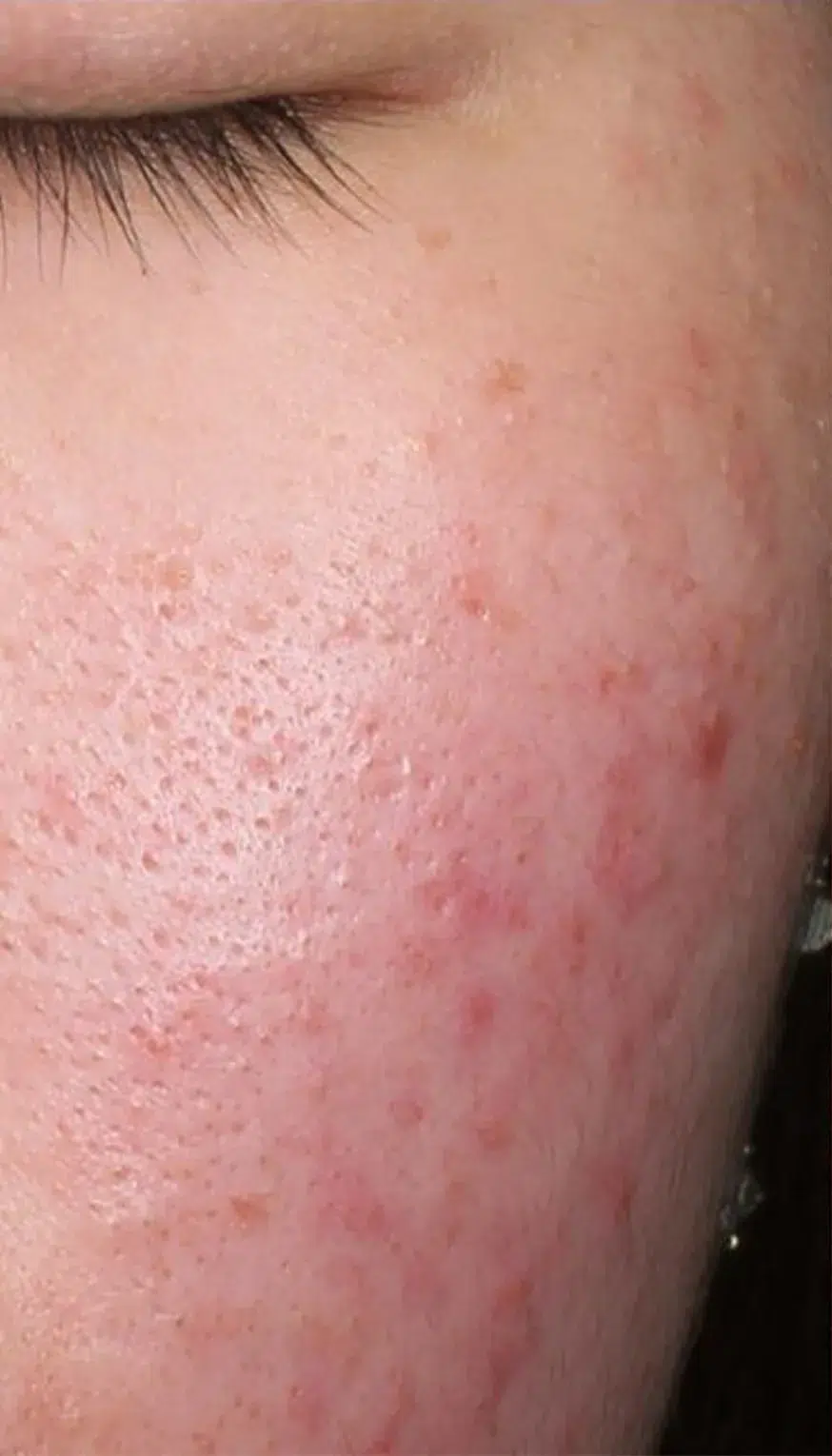
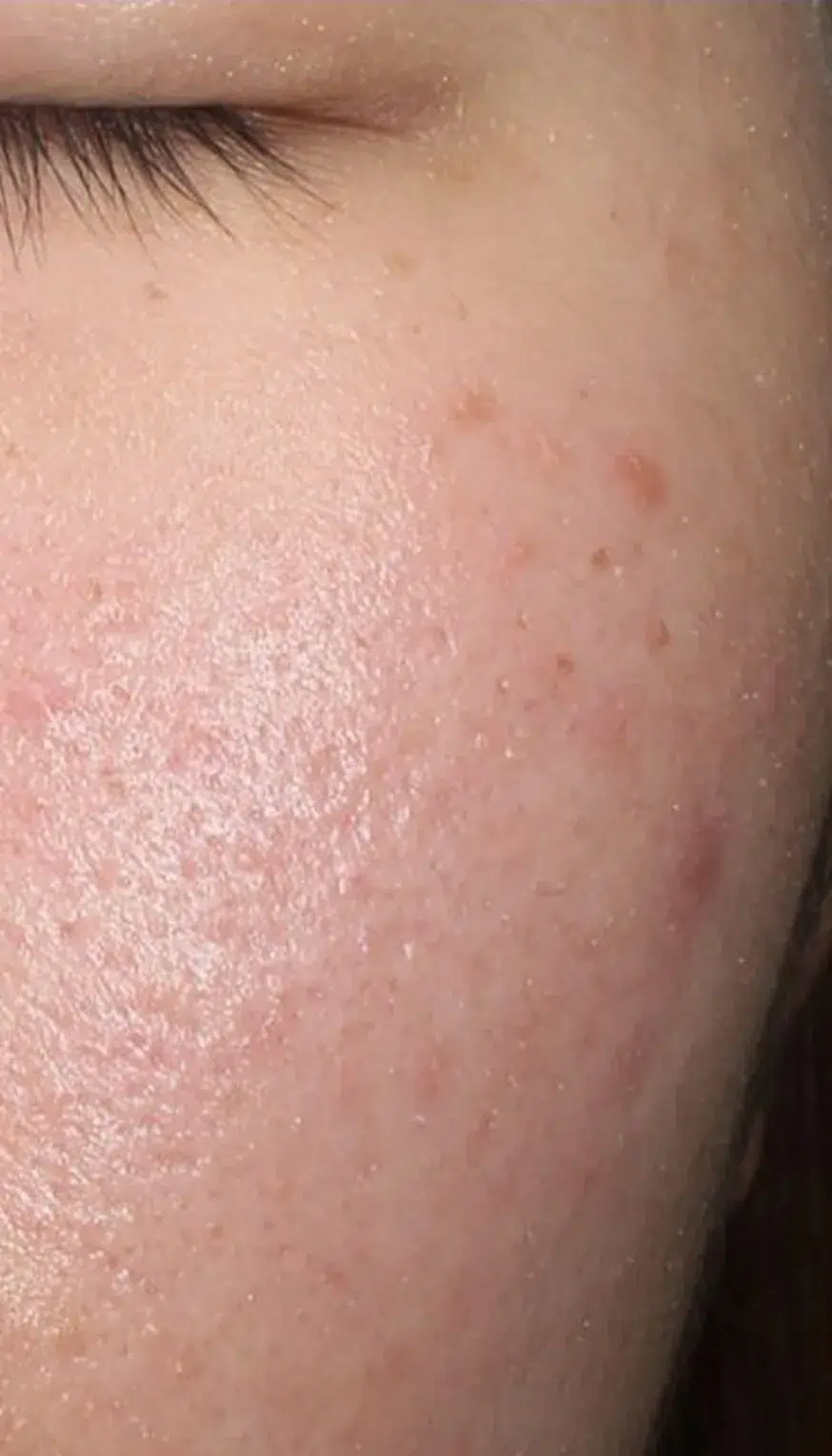
Case 1 · Facial Telangiectasia · Laser Closure
- Client Profile
- Asian Female · Nasal Ala / Cheek Thread Veins
- Key concerns
- Visible fine red thread veins
- Treatment Plan
- 595nm / 1064nm Vascular laser closure (3–5 sessions)
- Treatment results
- Visible veins fade; skin tone becomes more even
- Maintenance
- 12 months or more; maintenance as needed
Case 01: Selective Laser Closure of Visible Vessels · Led by our physician
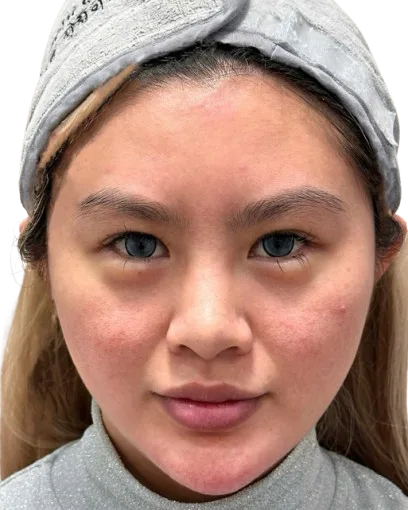
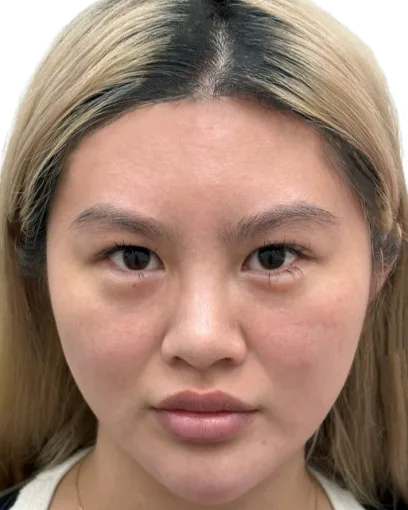
Case 2 · Telangiectasia · Precise Targeting
- Client Profile
- Asian Female · Facial Telangiectasia
- Key concerns
- Fine thread veins, redness
- Treatment Plan
- Pulsed Dye / Nd: YAG Laser
- Treatment results
- Vessel absorption, reduction in redness
- Maintenance
- Combined with long-term sun protection
Case 02: Targeting Hemoglobin Without Damaging Surrounding Tissue · Performed by our physician
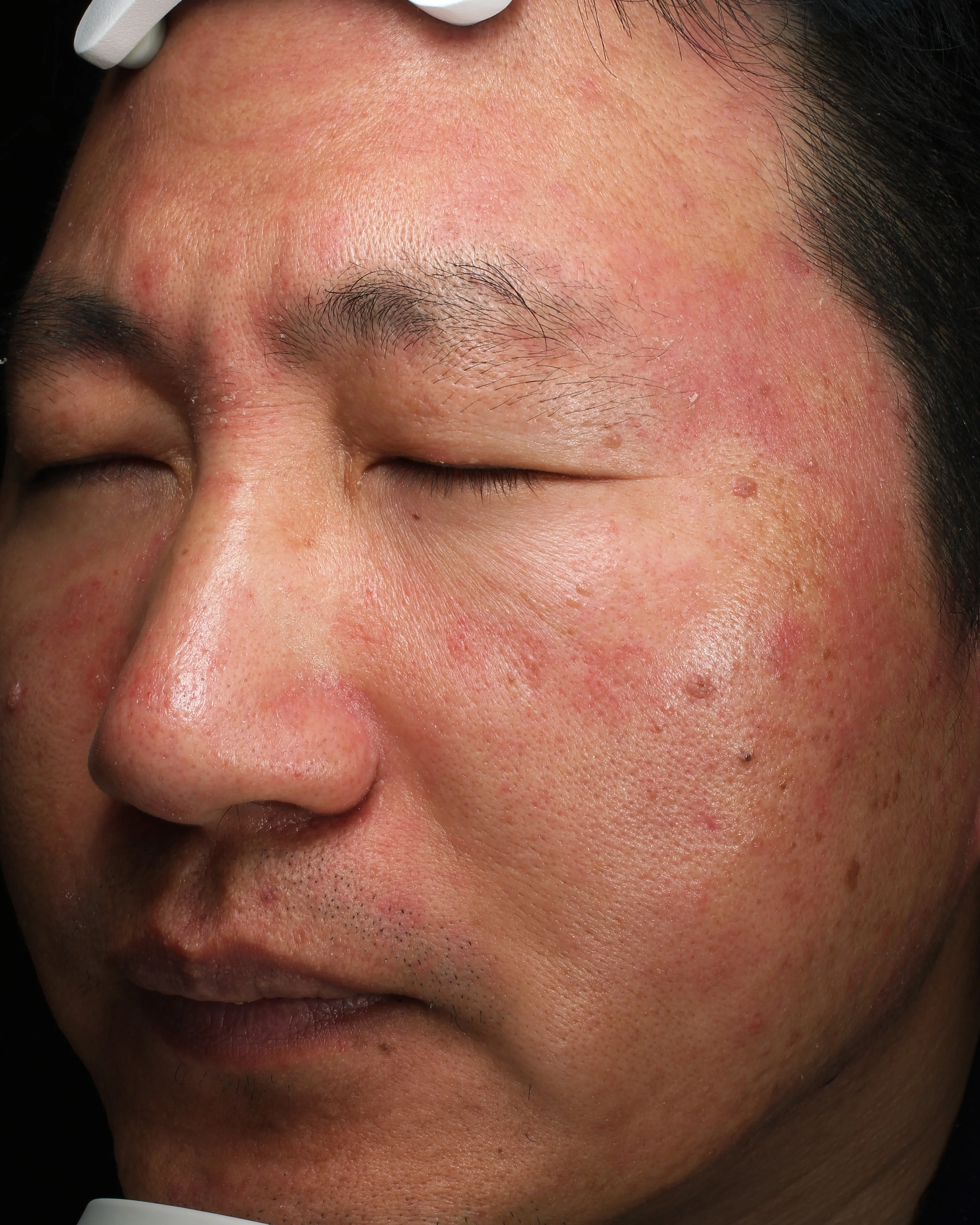
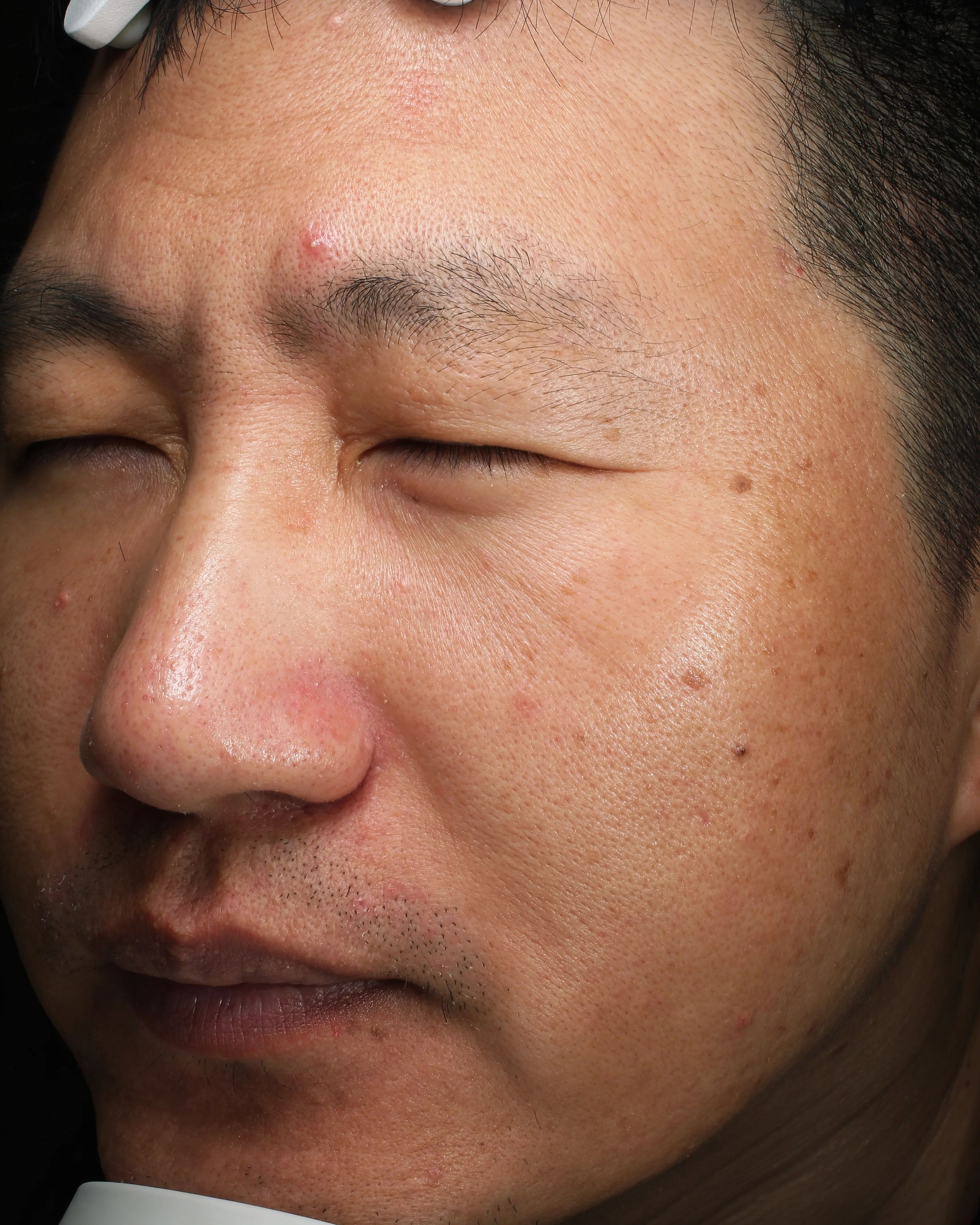
Case 3 · Persistent Spider Veins · Multi-Wavelength Protocol
- Client Profile
- Asian female patients · deeper or larger-caliber vessels
- Key concerns
- Stubborn visible vessels
- Treatment Plan
- 1064nm Nd: YAG Longer wavelength + multiple sessions
- Treatment results
- Gradual absorption of stubborn vessels
- Maintenance
- Maintenance as needed
Case 03: 1064 nm Long-Wavelength Laser for Deeper Vessels · Led by our physician
Why Choose Luowei Medical Aesthetics Clinic for Spider Vein Treatment in Nanjing
Treating spider veins and telangiectasia requires selecting the right wavelength or modality based on vessel depth and location (face vs. legs). Our approach centers on multi-wavelength devices, differential diagnosis, and rigorous safety protocols.
Multi-wavelength devices
595nm Our clinic is equipped with pulsed dye laser (for superficial/facial vessels), 1064nm Nd: YAG (for deeper or larger vessels), and broadband light — each wavelength matched to the vessel type.
Differential diagnosis
Distinguishing between simple telangiectasia, rosacea, and leg vein disorders — and referring when appropriate — ensures the right treatment rather than a one-size-fits-all approach.
Precise targeting
Selective photothermolysis targets hemoglobin to close the treatment vessel without damaging the surrounding tissue.
Safe for Asian skin types
Energy levels are adjusted according to Fitzpatrick skin type, with active cooling to protect the epidermis and minimize the risk of post-inflammatory hyperpigmentation (PIH).
Physician-led
Wavelength and energy parameters are set by our physician, based on vessel type and skin tone.
- Multi-wavelength vascular devices— 595nm Pulsed Dye / 1064nm Nd: YAG / Broadband Light
- Differential diagnosis of vascular conditions (including rosacea and leg veins)
- Selective photothermolysis with an Asian skin safety protocol
What Is Spider Vein / Telangiectasia Treatment?
Spider veins / telangiectasia refer to visible fine vessels at the surface of the skin,Fine red, blue, or purple vessels or reticular vascular patterns, Commonly found on the face (nasal alae / cheeks) and legs. Treatment works by Selective photothermolysis (laser / broadband light), allowing energy to be absorbed by hemoglobin within the vessel,Closing abnormal blood vessels, Then gradually absorbed and cleared by the body.
Different vessel types call for different wavelengths:Superficial facial blood vessels Primarily treated with 595 nm pulsed dye laser;Deeper / larger vessels A 1064 nm Nd: YAG laser is used for deeper penetration of larger vessels; broadband light can address diffuse redness. Larger leg veins may sometimes require sclerotherapy, which is assessed through a specialist referral.
It falls under Vascular treatments, Targeting “Visible vessels”, A different approach from pigmentation treatments (IPL / picosecond laser).
Key takeaways
- Mechanism Selective photothermolysis, vessel closure
- Superficial facial 595nm Pulsed dye
- Deeper / larger 1064nm Nd: YAG
- Best suited for Visible facial and leg veins
- Treatment 3–5 sessions / spaced 4–8 weeks apart
- Recovery period Short (possible temporary redness / purpura)
Vessel type × wavelength
| Blood vessels | Recommended |
|---|---|
| Superficial red vessels on the face | 595nm Pulsed dye |
| Deeper / larger vessels | 1064nm Nd: YAG |
| Diffuse redness + pigmentation | Broadband Light IPL |
| Larger-caliber leg veins | Sclerotherapy / long-wavelength laser (assessment required) |
The deeper or larger the vessel, the more likely treatment will require a longer wavelength laser or an injectable (sclerotherapy) approach.
How Spider Vein Treatment Works
Energy at a specific wavelength is selectively absorbed by oxyhemoglobin within the vessel and converted to heat, causing the visible blood vessel to coagulate and close. The body then absorbs and clears it, and the vein fades. Simultaneous cooling protects the surrounding epidermis throughout.
Consultation & Differential Diagnosis
Vessel depth, location, and the presence of rosacea or venous disease are all assessed to determine the appropriate wavelength and treatment modality.
Wavelength / energy selection
595nm for superficial vessels; 1064nm for deeper ones. Energy is adjusted by skin tone, and cooling is applied to protect the epidermis.
Selective photothermolysis
Eye shields are worn throughout. The laser targets visible vessels with precision; the sensation is comparable to a light rubber-band snap against the skin.
Vessel closure and absorption
Once treated vessels coagulate, the body gradually absorbs them, and visible veins fade over a period of days to weeks.
Cumulative improvement over treatment cycles / ongoing maintenance
Treatments are spaced 4–8 weeks apart; persistent vessels benefit from multiple cumulative sessions. Consistent sun protection helps reduce new vessel formation between visits.
Recurrent vessels are most often the result of unaddressed “Root cause”
Closing the vessel alone while ignoring rosacea, venous insufficiency, or triggering factors, Visible vessels can recur. Clear diagnosis and trigger management are essential for long-term stability.
Differential diagnosis
Telangiectasia / Rosacea / Vein Disorders
Choosing the right wavelength
595nm or 1064nm selected based on vessel depth
Trigger management
Sun protection; avoid heat, spicy foods, and alcohol
Am I a Candidate for Spider Vein Treatment?
Suitable for patients with visible red or blue vessels on the face or legs. Larger leg veins and those associated with venous insufficiency require specialist evaluation.
You may be a good candidate if…
- Visible red vessels on the nasal wings and cheeks
- Telangiectasia
- Fine superficial spider veins on the legs
- Rosacea in stable phase with accompanying visible vessels
- Seeking improvement in skin tone evenness
- Open to cumulative treatment
Treatment is not recommended or requires further evaluation if any of the following apply…
- Larger leg veins / varicose veins (specialist referral required)
- Active rosacea flare-up (anti-inflammatory treatment should be completed first)
- Active infection in the treatment area
- Recent significant sun exposure or active tan
- Photosensitizing medications not yet discontinued / recent Accutane use
- Pregnancy
Vessel Type × Treatment Plan
| Blood vessels | Treatment plan | Description |
|---|---|---|
| Superficial red vessels on the face | 595nm Pulsed dye | Gold standard for vascular treatment |
| Deeper / larger | 1064nm Nd: YAG | Deeper penetration |
| Diffuse redness + pigmentation | Broadband Light IPL | Comprehensive improvement |
| Larger-caliber leg veins | Sclerotherapy / evaluation | Specialist clinical judgment |
Spider Vein Treatment Planning
Every treatment plan is designed by our physician — encompassing cause identification, wavelength selection, energy parameters, and long-term management.
Free Consultation & Differential Diagnosis
Differentiating telangiectasia, rosacea, and venous disease.
Wavelength and energy customization
Wavelength and energy settings are selected based on vessel depth and skin tone.
Treat in scheduled cycles
3–5 sessions, spaced 4–8 weeks apart, for progressive improvement.
Management + maintenance
Apply sun protection, avoid known triggers, and schedule maintenance as needed to address any new vessels.
Treatment & Recovery Timeline
| Time | Condition |
|---|---|
| D0 (same day) | Temporary redness and mild swelling; possible transient purpura (depending on settings) |
| D1–D3 | Once redness subsides, strict sun protection is essential |
| 1–2 weeks | Vessel absorption and gradual fading of visible blood vessels |
| After the 3rd session | Significant improvement in visible veins |
Concerns That Spider Vein Treatment Can Address
Focused on visible vessels and thread veins, primarily superficial areas of the face and legs.
Facial thread veins
Closure of visible thread veins on the nasal ala and cheeks.
3–5 sessions
Telangiectasia
Targeted closure of dilated capillaries.
3–5 sessions
Rosacea-associated telangiectasia
Reduce visible vessels during stable periods + ongoing management.
Treatment + Maintenance
Uneven skin tone (vascular origin)
Reduces vascular redness and evens skin tone.
3–5 sessions
Deeper / larger vessels
1064nm Treated with long-wavelength laser.
Consultation & Assessment
Nasal thread veins
Targeted treatment for persistent vessels on the nasal alae.
2–4 sessions
Combination therapy
Works synergistically with redness-reduction treatments and IPL.
Combined
Detailed breakdown by area × wavelength / modality × number of sessions
| Area / Vessel Type | Wavelength / Modality | Number of Sessions / Interval |
|---|---|---|
| Superficial facial blood vessels | 595nm Pulsed dye | 3–5 sessions / 4–8 weeks apart |
| Deeper / larger | 1064nm Nd: YAG | Consultation & Assessment |
| Superficial leg spider veins | Laser / Assessment | Treatment |
| Rosacea-associated telangiectasia | Vascular laser + management | Treatment + Maintenance |
Pre-Procedure Instructions · Treatment Process · Post-Procedure Care
Post-treatment sun protection and avoiding known triggers — heat, spicy foods, and alcohol — are essential to minimizing new vessel formation and maintaining long-term results.
Pre-procedure preparation
- Avoid sun exposure and tanning for 2 weeks before treatment
- Discontinue retinoids / AHAs 3–5 days before treatment
- Stabilize active rosacea with anti-inflammatory treatment before proceeding
- Disclose photosensitizing medications and history of Accutane use
During the treatment
- Protective eyewear worn throughout
- Rubber-band snap sensation; cooling minimizes discomfort and protects the epidermis
- Wavelength and energy set according to vessel depth
- Approximately 15–30 minutes per session
Post-Procedure Care
- Temporary redness / mild swelling (lasting a few hours to 1–2 days)
- Certain settings may cause temporary purpura (resolves within a few days)
- Daily SPF 50+; avoid sun exposure for 2 weeks
- Avoid triggers such as heat, spicy foods, and alcohol
- Use gentle skincare products and reinforce the skin barrier
Recovery Timeline
| Time | Condition |
|---|---|
| D0 (same day) | Temporary redness / mild swelling; possible mild purpura |
| D1–D3 | Redness subsides; strict sun protection and trigger avoidance required |
| 1–2 weeks | Vessel absorption and gradual fading of visible blood vessels |
| 4–8 weeks | Proceed to the next treatment session |
Advantages of Spider Vein Treatment
Precise, multi-wavelength, minimal downtime — but lasting results require addressing the underlying cause and managing triggers to prevent recurrence.
Precise targeting
Selectively closes visible blood vessels.
Multi-wavelength
Wavelength selected based on vessel depth: 595 nm or 1064 nm.
Suitable for face / legs
Superficial visible vessels on the face and legs.
Minimal downtime
Most patients experience only brief redness before full recovery.
Non-invasive
Laser-based; non-surgical, no incisions.
Improve skin tone
More even and luminous skin tone.
Can be combined
Works synergistically with redness-reduction treatments / IPL.
Cumulative results
3–5 sessions for stable, lasting improvement.
Comparison of Vascular Treatment Modalities
| Modality | Suitable | Characteristics |
|---|---|---|
| 595nm Pulsed dye | Superficial facial blood vessels | Gold standard for vascular treatment |
| 1064nm Nd: YAG | Deeper / larger vessels | Deeper penetration |
| Broadband Light IPL | Diffuse redness + pigmentation | Comprehensive improvement |
| Sclerotherapy | Larger-caliber leg veins | Specialist assessment |
Why Trust Luowei Medical Aesthetics Clinic for Spider Vein Treatment?
Google's E-E-A-T framework evaluates medical content across four dimensions. Below are the specific credentials behind every claim on this page.
Real-world clinical experience
- Extensive facial and leg vascular treatment experience
- Multi-wavelength vascular device operation
- Rosacea / vascular differentiation
- Full Before & After Gallery
- Dermatological diagnosis + vascular cause identification
- Individualized wavelength and energy parameters
Industry-recognized professional certifications
- Every medical claim on this page is anchored to a named, clickable source — see Evidence & references below
Transparent and verifiable
- Authentic multi-wavelength devices
- Diagnosis of underlying cause; referral when clinically indicated
For vascular treatment: diagnose first, then select the appropriate wavelength.
Facial thread veins may be associated with rosacea, while leg vessels can be related to underlying venous function.Identify the underlying cause first, then select wavelength based on vessel depth, for results that are both effective and lasting.
Our physician combines a background in family medicine with advanced aesthetic training. Equipped with multi-wavelength vascular devices, our physician selects the most appropriate modality for each case and refers to a vein specialist when needed — rather than applying a one-size-fits-all laser approach.
Spider Vein Treatment Pricing & Payment
Pricing varies by treatment area, wavelength / modality, and number of sessions in a package.A personalized quote will be provided by our physician following your Free 30-Minute Consultation.
Per session · priced by area and wavelength
Treatment packages / combination redness-reduction pricing
- Payment is made at the clinic, after the consultation and before treatment begins
- Nothing is paid in advance, and no deposit is required to hold an appointment
- Improvement of thread veins typically requires 3–5 treatment sessions
- Cosmetic treatment is a self-pay item and is not covered by public medical insurance in China
- All first-time clients receive a complimentary 30-minute Free Consultation & Assessment
Common Reactions · Serious Risks · Contraindications
Transparency in medical aesthetics is itself a sign of trustworthiness. We openly disclose all potential reactions, serious risks, and contraindications so you have complete information before your consultation.
Common Reactions (may occur in the short term)
- Temporary redness / warmth (a few hours to 1–2 days)
- Mild swelling (treatment area, short duration)
- Transient purpura (certain settings; resolves within a few days; can be covered with makeup)
- Temporary sensitivity (sun protection required)
Serious Risks (rare, but important to disclose)
- Post-inflammatory hyperpigmentation (PIH)— For deeper skin tones or sun-exposed skin, energy is reduced according to skin type and strict sun protection is maintained to minimize risk.
- Blistering / burns / scarring— Extremely rare; preventable with proper technique
- Vascular recurrence / new vessel formation— When rosacea or triggers are not managed
- Hypopigmentation— Rare
Absolute Contraindications / Requires Assessment (not suitable)
- Larger leg veins / varicose veins (referred for specialist evaluation)
- Active rosacea flare-up (anti-inflammatory treatment should be completed first)
- Active infection in the treatment area
- Recent significant sun exposure or active tan
- Photosensitizing medications not discontinued / pregnancy
Where the medical claims on this page come from
Everything above about Telangiectasia Treatment rests on published evidence rather than on our own word. The sources below are the ones behind those statements: peer-reviewed papers indexed in PubMed, and guidance written for patients by dermatology academies and national health services. Read them before you decide — and bring any of them to your consultation.
- Peer-reviewedIntense pulsed light (IPL): a review
- Peer-reviewedRecognizing and Managing Complications in Laser Resurfacing, Chemical Peels, and Dermabrasion
What these references can and cannot tell you. They describe what is known about the treatment itself — how well it tends to work, how long results last, and what can go wrong. They are not an assessment of this clinic, and no published study can tell you whether it suits your skin type, anatomy, or medical history. That judgement comes from the physician who examines you in person, and it may well be “not this one”.